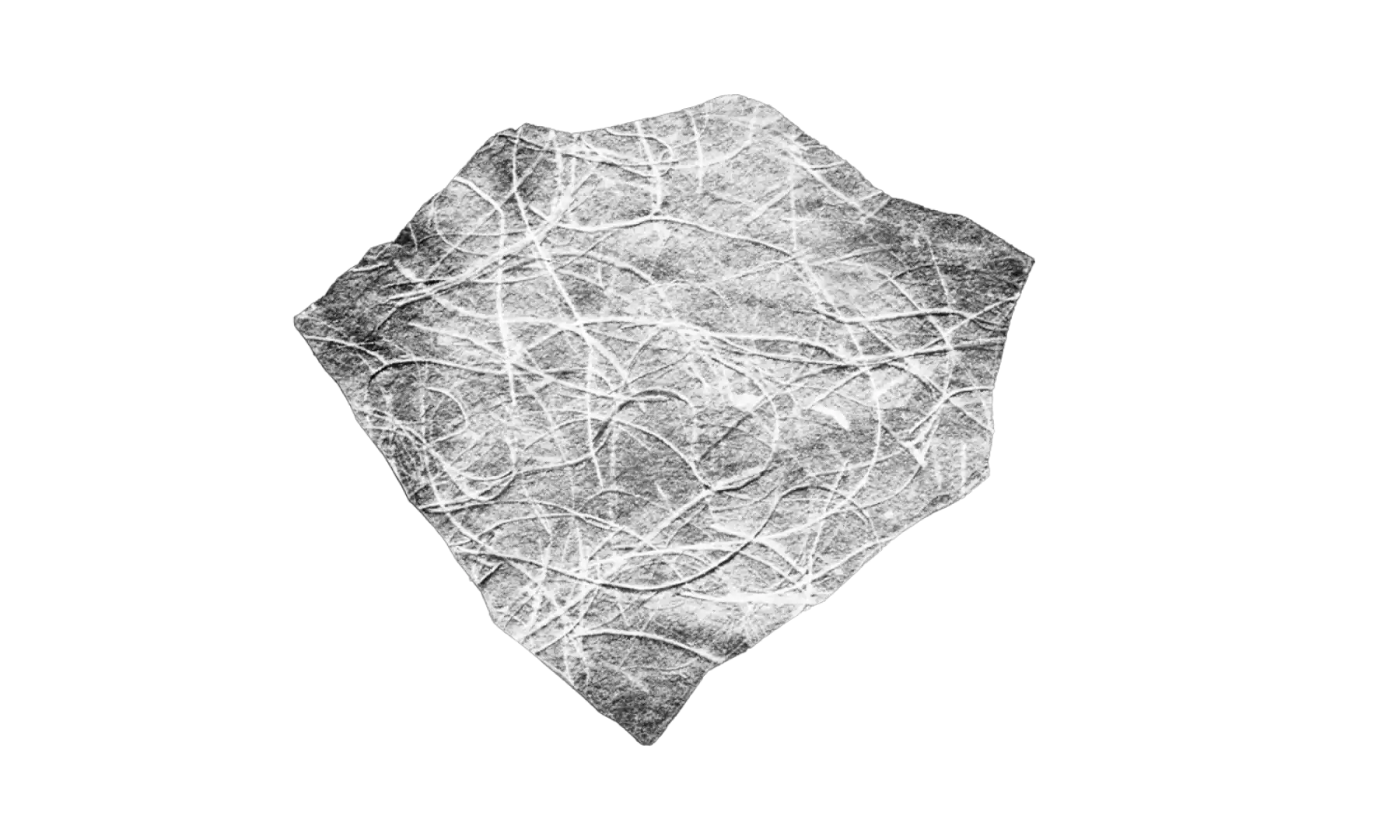
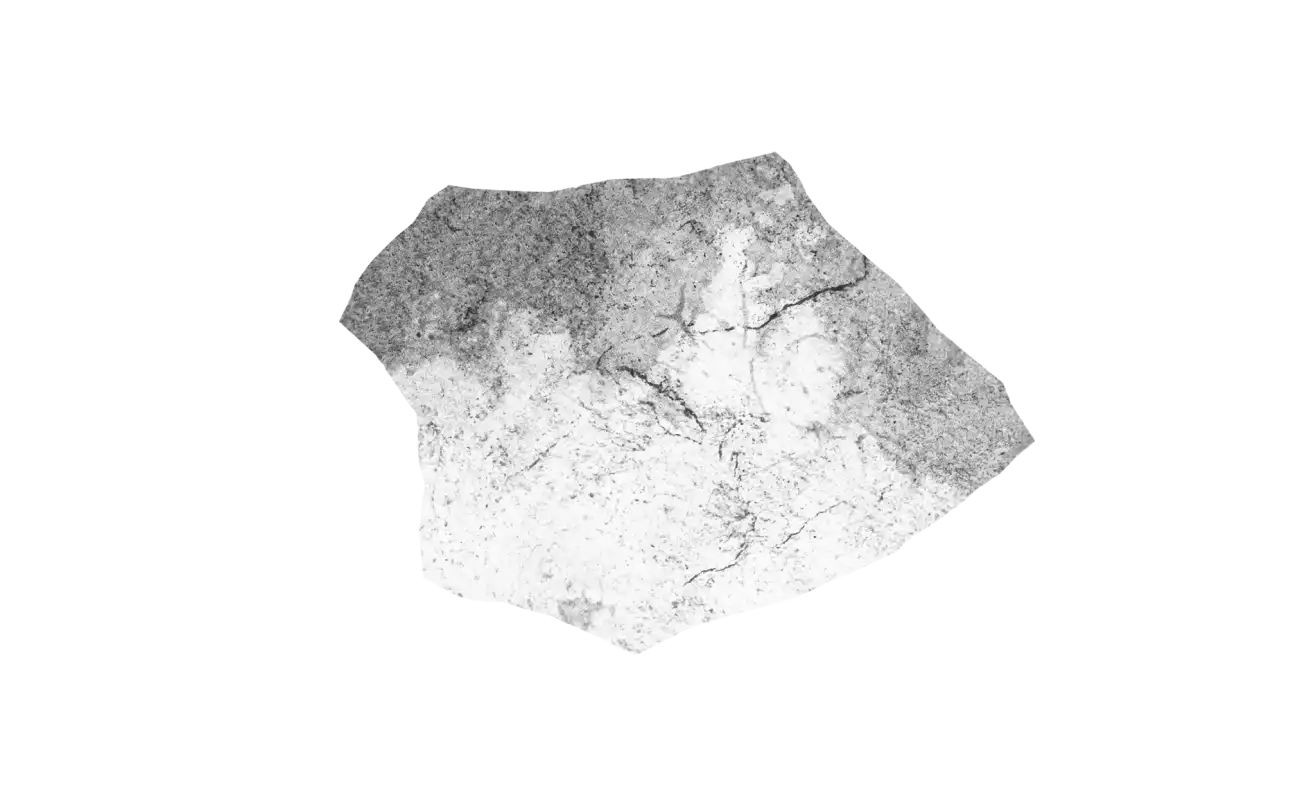


One of the materials that has moved me most since I began reporting on traditional crafts is "Echizen Washi" from Fukui Prefecture. Its fields of application are surprisingly vast, stretching from fine art to cutting-edge technology, all supported by a long and living history of 1500 years.
The fact that so much information and value is embedded within a single sheet of washi makes me appreciate anew the profound depth of Japanese craftsmanship. In this article, as an entrance to that magnificent world, I will introduce Echizen Washi by exploring five facets that shape its complete picture.
A 1500-Year Legacy of Trust
The origins of Echizen Washi are said to trace back approximately 1500 years. According to local lore, there are two stories explaining how the art of papermaking was introduced to the region.
One theory suggests the method arrived from China along with the introduction of Buddhism, as paper was needed to copy sutras. Another is a legend in which a beautiful goddess appeared to villagers suffering from a poor harvest and taught them the art of papermaking. This goddess is known as "Kawakami Gozen" and is still revered today by local artisans as the deity of paper.
As if to support these legends, physical evidence of Echizen Washi's historical value also exists. Preserved in the Shōsō-in Imperial Repository in Nara is the Echizen no Kuni Shōzei-chō, a document dating back to 730 AD. This ledger recorded household registrations and taxes of the time, and recent analysis has revealed that the paper, made primarily from kōzo (paper mulberry), was crafted with an exceptionally high level of skill. This fact demonstrates that an advanced papermaking technology was already established in the Echizen region during the Nara period.
In the Heian period, its use expanded beyond official records, becoming prized as elegant writing paper in the world of female literature, represented by figures like Murasaki Shikibu and Sei Shonagon. This long history of supporting the nation's most important records and culture forms the bedrock of Echizen Washi's trustworthiness.
%E3%81%AE%E3%82%B3%E3%83%92%E3%82%9A%E3%83%BC.jpg?w=700&fm=webp&dpr=2?w=430&fm=webp&dpr=2)
The Rich Variety of the "King of Papers"
Echizen Washi is counted among the "Three Great Washi of Japan," alongside Mino Washi from Gifu Prefecture and Tosa Washi from Kochi Prefecture. Among them, it is often hailed as "number one in Japan in quality, variety, and volume," a reputation built on the wisdom and skill of artisans who maximize the characteristics of its raw materials.
The primary materials are three types of plants: kōzo (paper mulberry), mitsumata (oriental paperbush), and ganpi.
Kōzo: Has thick, strong fibers. Creates a powerful texture suitable for shōji (sliding screen) paper and calligraphy paper.
Mitsumata: Features a smooth surface that is easy to print on. It is also a raw material for Japanese banknotes.
Ganpi: Its fibers are extremely fine, making it thin yet strong with a beautiful luster.
Artisans use these materials individually or in various blends depending on the intended application. From thin sheets to thick ones, from paper for painting and calligraphy to wrapping paper and small accessories, the region produces an immense variety of paper. It is often said that "there is no type of washi you cannot find in the Echizen region." This sheer variety and the dedication to pursuing the optimal quality for each use case supports Echizen Washi's esteemed reputation.

A Paper Village Nurtured by Clear Streams and Faith
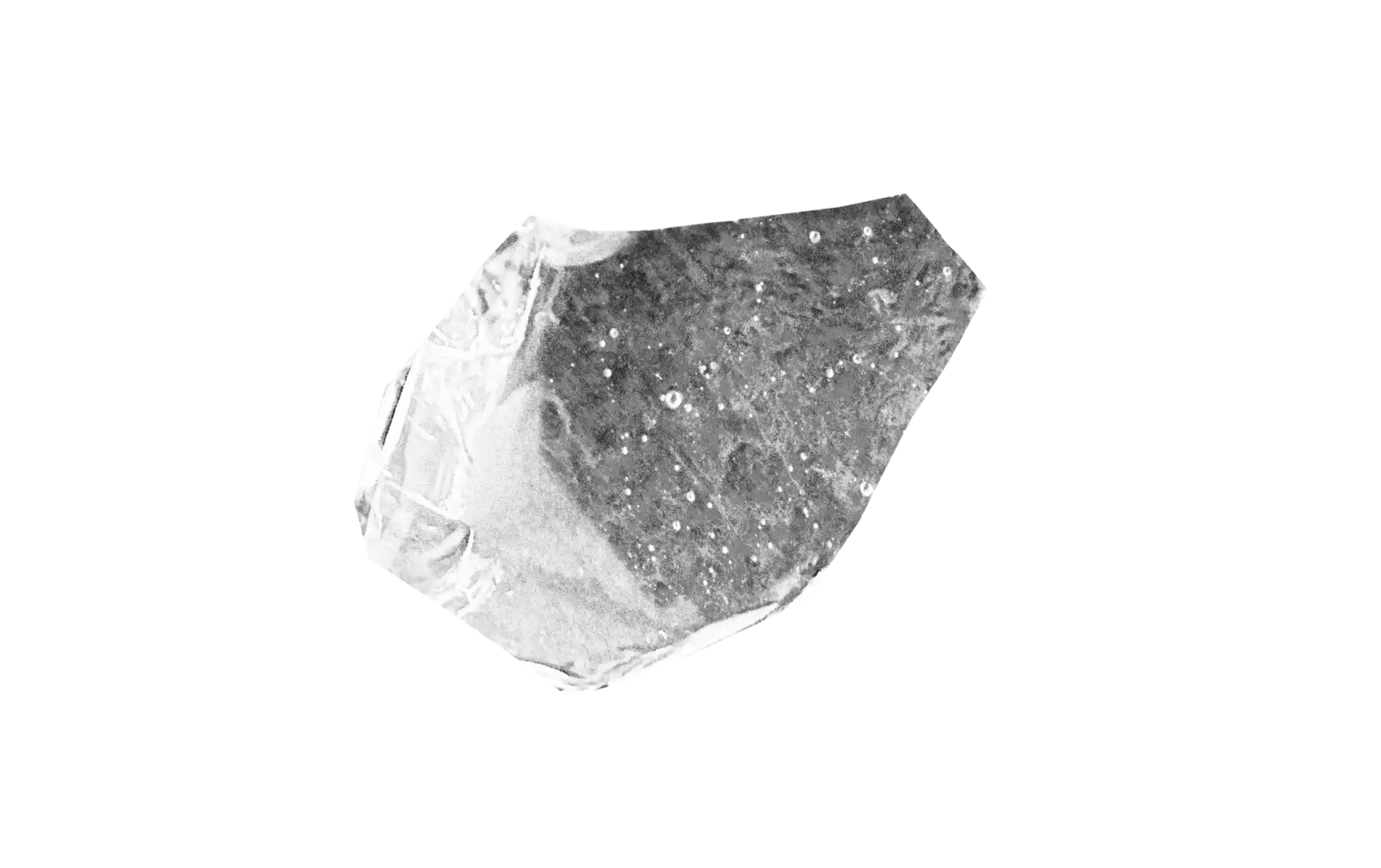
The production of Echizen Washi is centered in Echizen City, Fukui Prefecture, particularly in the Goka district along the Okamoto River basin. The deep-rooted success and 1500-year-long inheritance of advanced techniques in this area are closely linked to its unique geographical and cultural background.
1. Pure Water: High-quality papermaking requires a large amount of pure water for every step, from washing the raw materials to dispersing the fibers. The clear stream of the Okamoto River, which flows through the heart of the production area, has few impurities and directly affects the whiteness and final quality of the paper, making it the lifeline of production.
2. Cold Winters: In washi making, a mucilaginous substance called neri, extracted from the root of the tororo-aoi (sunset hibiscus) plant, is used to evenly disperse the fibers in water. The viscosity of this neri is more stable and effective at lower temperatures. The cold Echizen winters provide the optimal environment for artisans to create thin, uniform sheets of paper.
3. Faith in the Paper Goddess: The presence of the Okamoto-Ōtaki Shrine, which enshrines the aforementioned paper goddess "Kawakami Gozen," holds great significance. As the only shrine in all of Japan dedicated to a "God of Paper," it remains the spiritual heart of the local artisans. This shared faith has fostered a strong sense of spiritual community among the artisans, which has been one of the fundamental forces that has enabled the unbroken transmission of complex and advanced techniques to this day.

The Paper That Supported the Nation at Critical Junctures
The history of Echizen Washi is also a history of supporting Japan's social infrastructure by meeting the demands of the state and rulers of the time. As society transitioned to samurai rule, its high quality led to it being prized as the official paper for documents issued by the shogunate and feudal lords. In particular, the thick and durable "Echizen Hōsho" became the byword for official paper used by the samurai.
In the Edo period, it was placed under the careful protection of the Fukui Domain as a crucial monopoly product, supporting the domain's finances. In 1665, its quality was officially recognized by the shogunate, which granted permission to stamp the paper with the seal "Go-jō Tenka-ichi" ("First under Heaven by Official Decree").
Furthermore, during this era, it was chosen as the paper for the "Fukui Domain Notes" (Fukui Hansatsu), considered to be the very first domain notes in Japan. Following this, many other domains began to seek out Echizen Washi for their own domain notes due to its superior durability and difficulty to counterfeit.
With the Meiji Restoration, as Japan began its journey to become a modern nation, Echizen Washi once again took on a national project. The Echizen region single-handedly undertook the production of the paper for the "Dajōkan-satsu," the first nationally unified paper currency issued by the new government.
Thanks to this achievement, Echizen artisans were invited to the Paper Money Bureau (Shihei-ryō) established in Tokyo (the precursor to the National Printing Bureau), where they laid the foundations for modern Japanese banknotes. This track record of serving at the core of record-keeping and the economy at critical moments in every era has built the unshakeable status of Echizen Washi.

Potential Extending from Art to Outer Space
As official demand declined with the changing times, Echizen Washi found a new path in the field of fine arts and crafts. Yokoyama Taikan, a master of modern Japanese painting, is known to have actively used Echizen Washi for his creations. In particular, Echizen's "Ōgami-shōzō" technique of making enormous single sheets of paper was developed in response to the creative demands of artists.
Its quality crossed the seas, and "Echizen Kizuki Hōsho," a paper for woodblock printing, was reportedly beloved by international artists including Spain's Pablo Picasso.
In recent years, its exceptional durability and preservation qualities have been recognized, leading to the remarkable achievement of Echizen Washi being officially adopted as a restoration paper for world cultural heritage items housed in the Louvre Museum in France.
Its applications are not limited to the world of art. A Japanese company, focusing on washi's excellent deodorizing, antibacterial, and lightweight properties, developed socks made from Echizen Washi. This product was recognized by the Japan Aerospace Exploration Agency (JAXA) and officially adopted as apparel for astronauts on long-term missions aboard the International Space Station (ISS). A material with a 1500-year tradition has found a new role on the front lines of human activity in outer space. This event eloquently speaks to the high potential that Echizen Washi possesses.

The five facets introduced here are but a glimpse of the multidimensional charm of Echizen Washi. A flexible spirit, cultivated through a long history and adapted to the changing times, is woven into each and every sheet.
In its spirit of challenging new possibilities while protecting tradition, I cannot help but feel the future of Japanese craftsmanship. I hope this single sheet of paper becomes a new door for you, leading to a deeper appreciation of traditional crafts.

