
We're naturally drawn to beauty. A sleek product, a breathtaking piece of art, or even a single flower standing in quiet solitude. But have you ever stopped to think about the stories woven into the design of a single sheet of paper?
For 1,500 years, the artisans of Echizen in Fukui Prefecture have been crafting Echizen washi. This paper is far more than just a surface for writing or a material for packaging. It's a medium of expression, imbued with the Japanese perspective on nature, their unique aesthetic, and even their prayers. The designs may seem understated, but they speak quietly and profoundly to our senses.
Why isn't it a stark "white"? Why do its patterns only reveal themselves when held up to the light? Why are its edges not perfectly straight?
This article invites you on a journey deep into the world of Echizen washi design. By exploring the hidden meanings in its colors, patterns, and shapes, you'll rediscover the very essence of beauty that the Japanese have cherished for centuries. Think of this as a quiet, rich conversation with a single sheet of paper.
The Allure of "Kinari" over White: Japan's Material-First Approach to Color
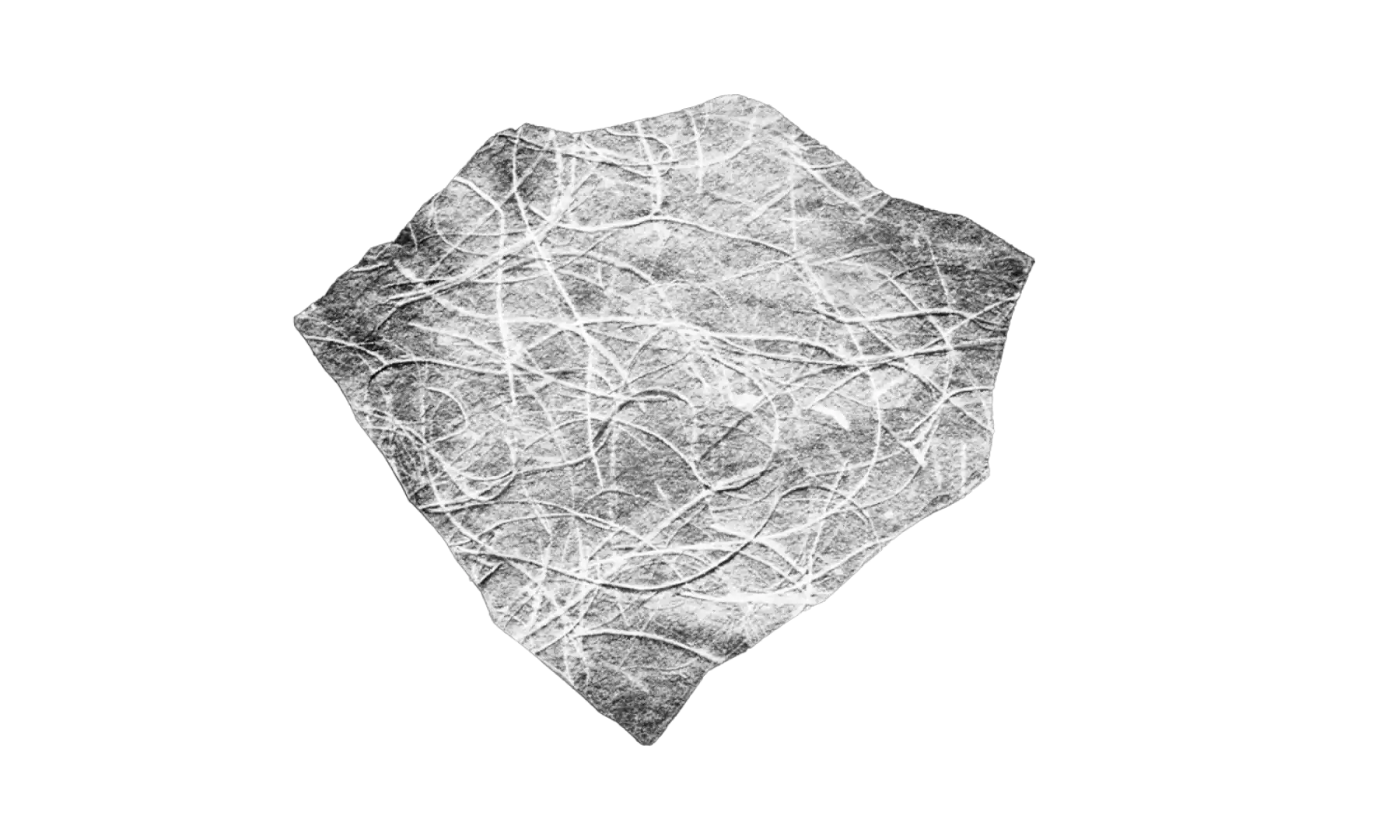
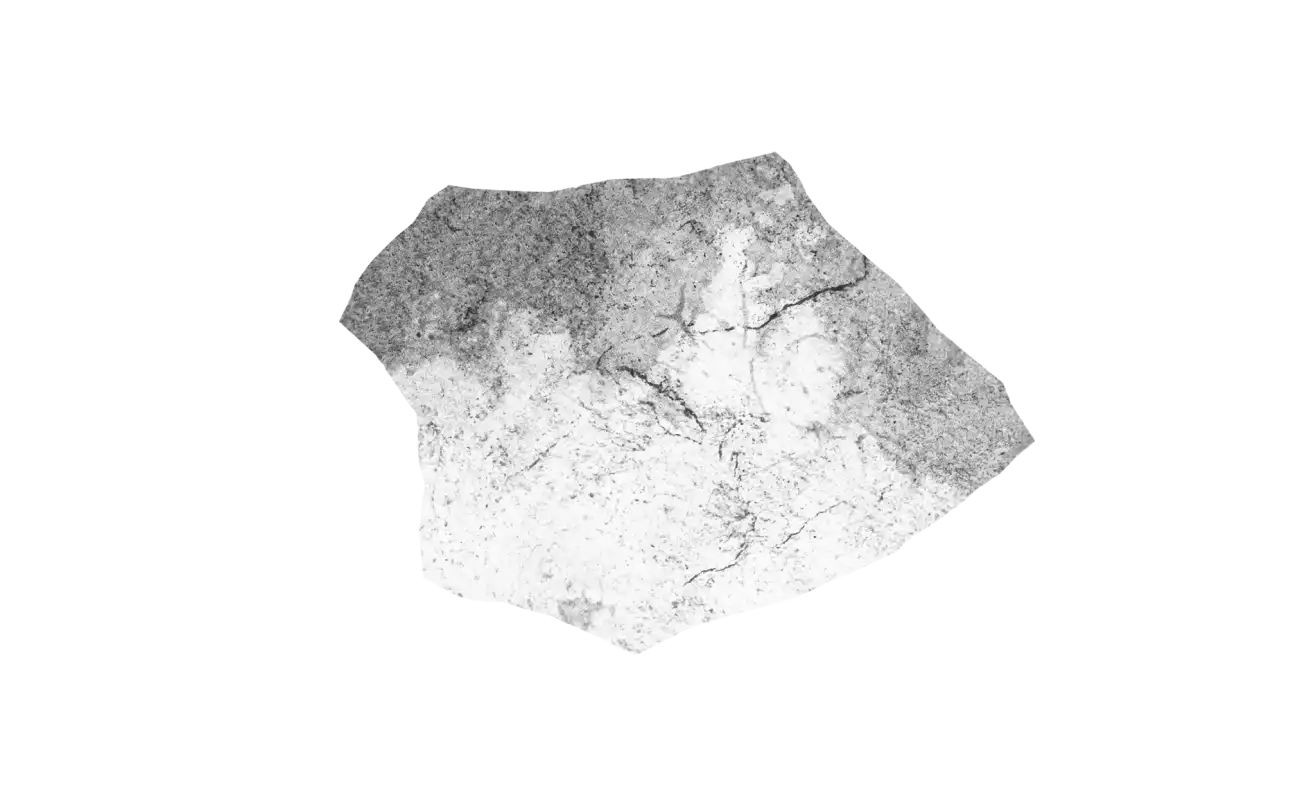
When you hold a sheet of Echizen washi, the first thing you'll notice is its color. It's not the pure, reflective white you see in modern paper. Instead, it's a warm, soft hue with a slight yellowish tint. This color is known as "kinari," or ecru.
This ecru shade isn't just a byproduct of skipping the bleaching process. It's the physical manifestation of a profound design philosophy: the choice "to intentionally do nothing." This reflects a deep respect for the raw, inherent color of the plant fibers themselves, like kozo (mulberry) and mitsumata. It's a condensation of the traditional Japanese aesthetic, which believes that true beauty lies in drawing out the natural potential of a material to its fullest.
If perfectly uniform "white" symbolizes man-made order, then kinari represents a "beauty of acceptance," one that embraces the subtle traces of nature's handiwork. The slight variations in color from fiber to fiber combine to create a gentle tone that brings a sense of peace to the viewer, imbuing the paper with an organic vitality you'll never find in a mass-produced item.
At the pinnacle of this aesthetic is the most luxurious class of washi, known as "torinoko-gami." Its history is so ancient that it's mentioned in the Edo-period encyclopedia, "和漢三才図会." The name, which translates to "child of a bird," is said to derive from the paper's pale, creamy color and smooth texture, reminiscent of an eggshell. This name itself is a tribute to an elegant, natural hue that could never be replicated artificially.
In our modern lives, we're surrounded by flawless whites and vibrant, flashy colors. Perhaps that's why the gentle, understated beauty of Echizen washi's ecru color feels so calming. It's an expression of a spirit akin to "wabi-sabi"—the art of finding true richness in imperfection.
Rather than clamoring for attention, this color gently embraces the ink and pigments applied to it, enhancing their character to the fullest. Herein lies the ultimate "functional beauty"—a design that is only truly complete when it unites with its user.

Checkers, Clouds, and Watermarks: The Prayers and Playfulness Woven into Traditional Patterns
The allure of Echizen washi extends far beyond its base colors. Thanks to the sophisticated techniques of its artisans, a variety of patterns are incorporated right as the paper is being made. These are more than just simple decorations; they are cultural symbols infused with age-old prayers for good fortune and a deep reverence for the ever-changing beauty of nature.
The Ichimatsu Pattern — An Unbroken Form for an Eternal Wish
The Ichimatsu pattern, recently brought back into the spotlight for its modern charm, is a classic Echizen washi design. This checkered grid, formed by alternating squares of different colors, is known as a symbol of good fortune. Because the pattern continues indefinitely without interruption, it embodies wishes for perpetuity, like "the prosperity of one's descendants" and "business expansion."
In the world of Echizen washi, the Ichimatsu pattern is sometimes crafted using a technique known as "kanagata-rakusuishi." This method involves placing freshly made, wet paper onto a metal mold with an exquisitely carved pattern and then showering it with water. Where the water hits, the fibers are washed away, thinning the paper and creating a stunning watermark effect. This process produces a three-dimensional and delicate shading that printing could never replicate, lending the paper itself a unique depth and elegance.
Simple yet profound, the Ichimatsu pattern's universal appeal has seen it adorn Japanese life for centuries, from architecture and kimonos to various crafts. An Ichimatsu pattern on Echizen washi is truly a masterpiece, offering a way to appreciate a traditional form of prayer through a modern, artistic lens.

Unkashi Paper — An Elegant Scene Drifting Across the Page
Japanese art has long found beauty in the natural world, particularly in amorphous elements like "clouds" and "haze." They have been cherished as poetic motifs that lend depth to a space and ignite the viewer's imagination.
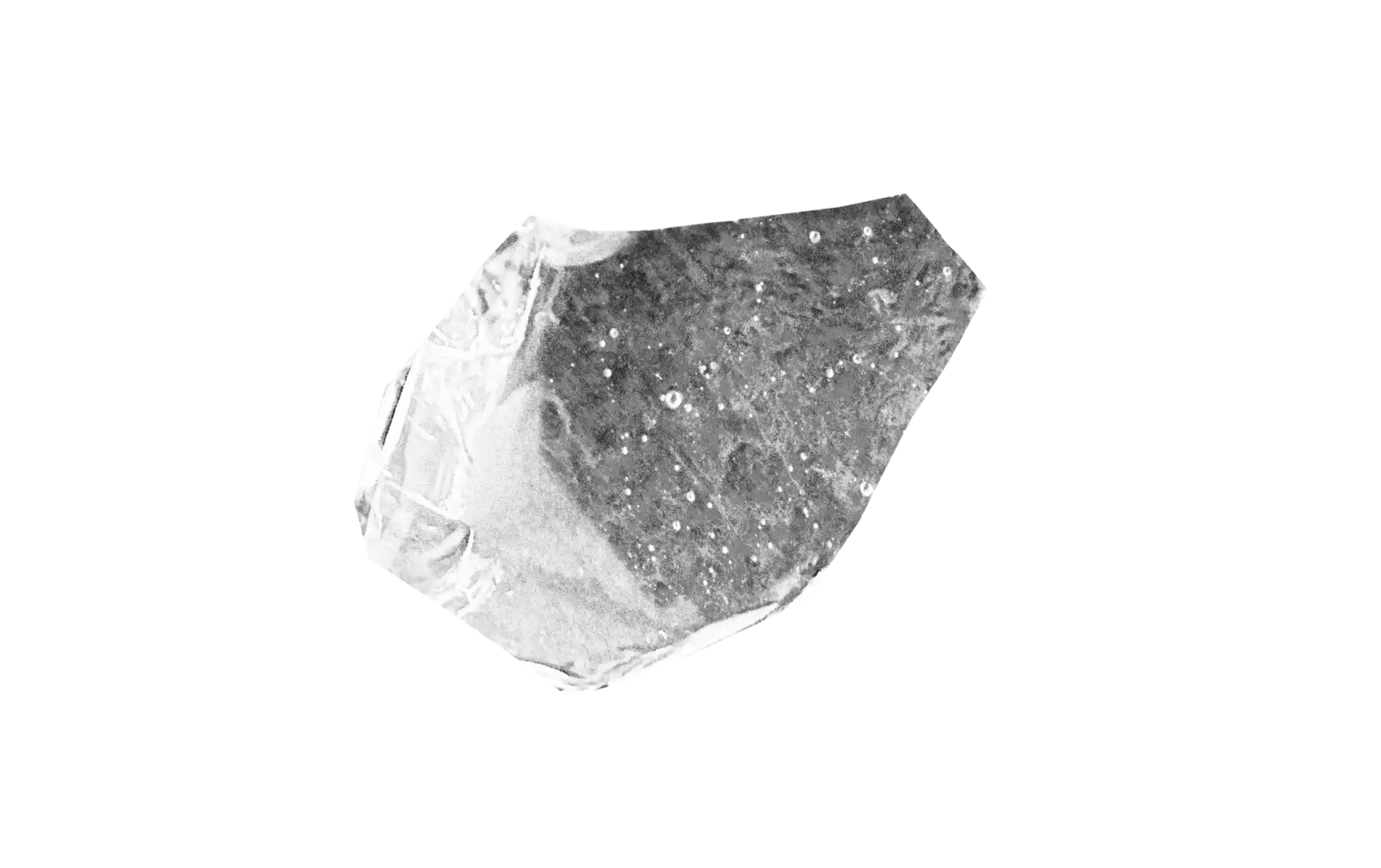
This aesthetic is beautifully embodied on paper through techniques known as "unkashi" and "uchigumo." The method involves layering white fibers onto a colored base paper, creating patterns that look as though clouds are drifting across the sky or snow is gently fluttering down. The fibers are delicately integrated into the sheet as it's being formed.
No two patterns are ever the same, giving each individual sheet an elegant and lyrical quality, like a snapshot of a natural scene. Fusuma (sliding door) paper created with this technique brings a sense of connection to the vastness of nature right into your room. This design is a reflection of the Japanese spirit of living in harmony with nature, rather than seeking to dominate it.
Watermarks — A Subtle Beauty Revealed Only by Light
When it comes to the design of Echizen washi, the most iconic technique is arguably "sukashi," or watermarking. By strategically varying the paper's thickness, artisans create a design where patterns and characters emerge only when the sheet is held up to the light.
The technique's development was sparked by a highly practical need: "counterfeit prevention" for Japan's first nationally unified paper currency during the Meiji era. With the nation's prestige at stake, Echizen artisans perfected this sophisticated technology while producing the highest quality banknotes, fundamentally supporting Japan's modernization.
But the appeal of watermarking extends beyond pure function. In fact, its "okuyukashisa"—a sense of modest subtlety—captures the very essence of Japanese beauty. Something normally invisible reveals its presence only through the medium of light. This understated yet meticulously planned expression offers viewers a sense of surprise and wonder. It resonates deeply with traditional Japanese aesthetics, which cherish subtlety, negative space, and atmosphere over direct statements.
Today, this technology is still used for security documents, but it has also found its way into everyday items like letter paper and envelopes. Imagine a letter to a loved one containing a hidden message, revealed only when held up to the light—what a wonderfully elegant touch. Watermarking is a brilliant example of how a technology born from function can be elevated into a truly poetic form of expression.

The Warmth of Human Touch: How "Mimi," the Mark of Handcraft, Becomes a Design Element
Most of the mass-produced paper we encounter daily is machine-cut with perfectly straight edges. But take a closer look at a sheet of Echizen washi, handcrafted one by one, and you'll discover something entirely different along its four sides. It's an irregular, feathery outline where the fibers have naturally intertwined, creating a soft, fuzzy texture. This distinctive edge is known as "mimi," or "ears."
These "mimi" form naturally during the papermaking process, as a mixture of water and fibers dances on a wooden screen called a sugeta, transforming into a sheet of paper. Essentially, the mimi is the most eloquent testament to the fact that this paper wasn't churned out by a cold machine but was brought to life by human hands. You could even call it the washi's "birth certificate."
While these edges were once trimmed off during the bookbinding process, their value is now fully appreciated. This uneven, soft contour is celebrated as a key design element, infusing a piece with a warmth and an organic vitality that mass-produced items simply can't replicate.
Imagine a painting, a piece of calligraphy, or a message card that deliberately leaves these "mimi" intact. The presence of such a piece is far more compelling than that of a perfect rectangle. In those irregular edges, we might unconsciously sense the rhythm of the artisan's hands, their breath, and maybe even the weather on the very day the paper was made.
In a world obsessed with perfection and uniformity, the design of the "mimi" teaches us a valuable lesson: true richness and humanity can be found in imperfection and uniqueness. The deckled edges of Echizen washi are a quiet rebellion against the tide of efficiency and standardization, constantly reminding us of the profound value of handcraft.

Legacy and Innovation: The Ever-Evolving Designs
The design of Echizen washi is far from being a mere imitation of past styles. Its history is a story of continuous innovation, a constant quest for new forms of expression that meet the demands of each era. Today, its design continues to evolve along two parallel tracks: preserving cherished traditions and boldly embracing the future.
Creating traditional patterns still relies heavily on the skilled hands of artisans. For instance, the metal molds used to make the "rakusui-shi" (water-patterned paper) mentioned earlier are painstakingly crafted over countless hours, with each tiny piece soldered by hand. The artisans specializing in this mold-making are local treasures, but finding successors is a critical challenge. While recent experiments have explored using 3D printers to create these molds, they come with their own set of problems. They are difficult to repair and often fail to produce the sharp, crisp edges characteristic of handmade molds, leading to a renewed appreciation for traditional craftsmanship.
At the same time, bold new ideas are emerging that expand the very definition of washi design. A leading example of this is the "Food Paper" initiative, a project that incorporates food waste into the paper's raw materials.
For instance, using the green and white parts of a leek results in papers with completely different hues and textures. Papermakers can even incorporate ginger to create a sheet with a subtle, lingering aroma. In this process, the ingredients themselves become unintentional colors, patterns, and scents, giving each sheet a one-of-a-kind design. This is not only a creative solution to the modern challenge of raw material scarcity but also a proposal for a new aesthetic for our sustainable age—one that honors and utilizes every last bit of nature's bounty.
Thus, the dedication to preserving centuries-old traditional patterns and the revolutionary ideas that fundamentally rethink washi's potential are unfolding side-by-side in the very same region. It is this dynamic interplay that ensures Echizen washi's designs never feel dated and continue to capture our imagination.

Bringing a "Story" into Your Everyday Life
Our journey exploring the designs of Echizen washi has led us to the very source of its beauty.
We discovered the philosophy of "kinari" (unbleached) paper, which reveres natural beauty. We felt the prayer for happiness woven into the "ichimatsu moyo" (checkered pattern). We admired the subtle elegance of "sukashi" (watermarks) created by light and shadow. And we heard the story told by the "mimi" edges, which speak of the warmth of the human touch.
These are more than just decorative elements. Each sheet of paper is infused with layers of meaning: an aesthetic sensibility nurtured by Japan's natural environment, the passion of its artisans, and the profound weight of 1,500 years of history.
In today's world, where information is overwhelming and everything is consumed at lightning speed, the design of Echizen washi offers us a precious gift: a moment of quiet reflection. "What should I write on this paper?" "Who should I share these thoughts with?" Taking a moment to ponder these questions allows us to step away from the daily chaos and engage in a rich dialogue with our own hearts.
.jpg?w=430&fm=webp&dpr=2)
First, please, hold a real piece of Echizen washi in your hands. We want you to experience its warm hues, the delicate patterns that emerge when held against the light, and its soft, gentle touch with all your senses.
Because in that moment, you'll surely realize you're not just holding a piece of "paper," but a rich "story" in your hands.

