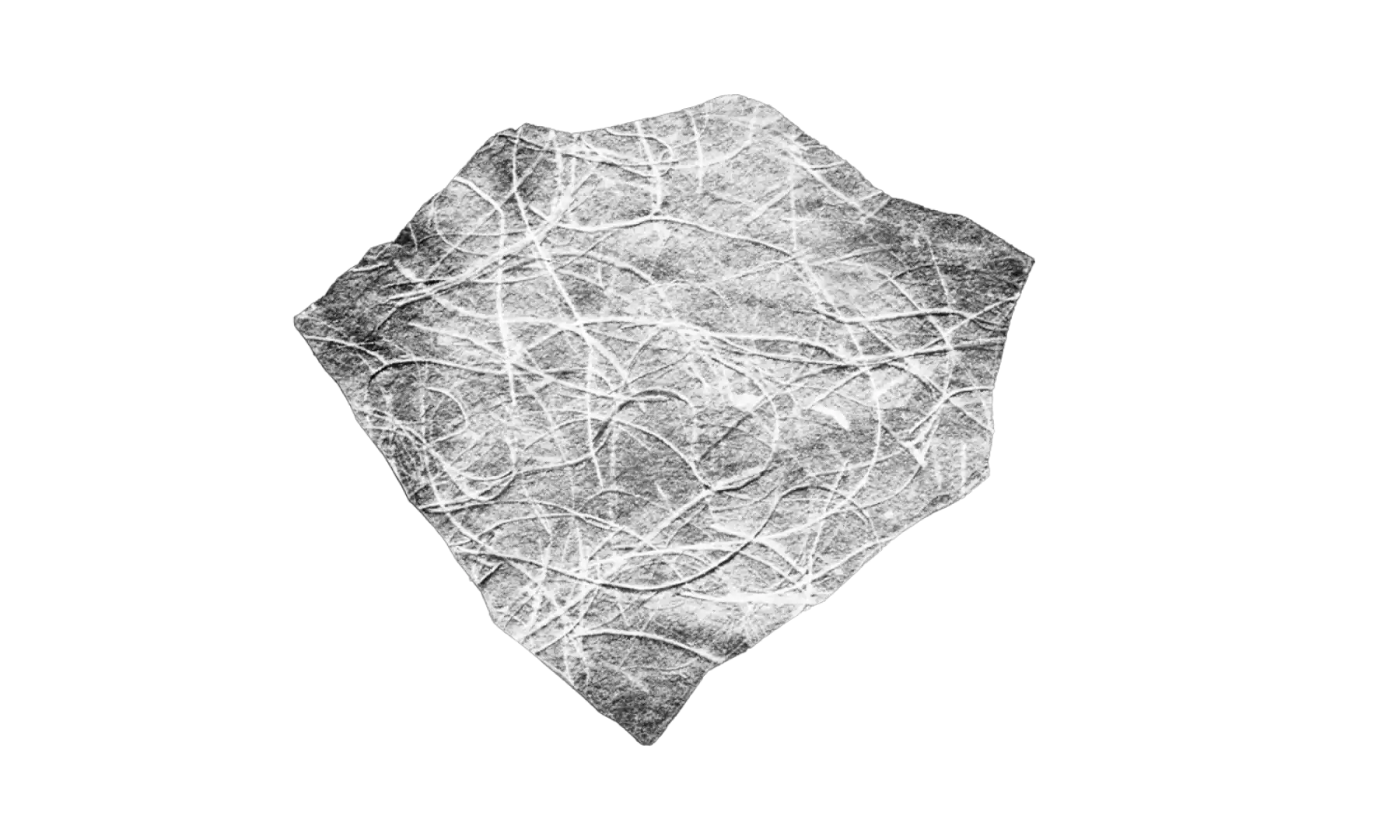
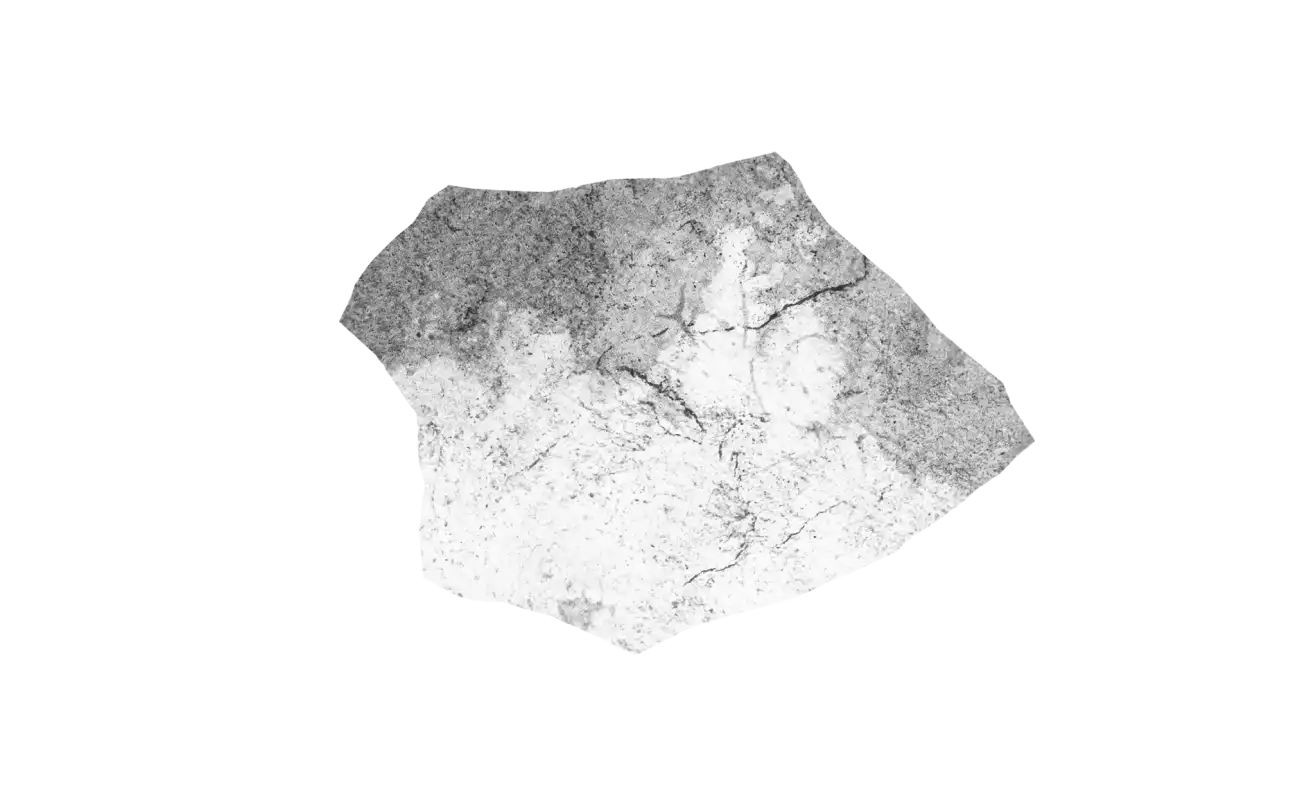


In Echizen City, Fukui Prefecture—the heartland of Echizen washi—lives the legend of Kawakami Gozen, a figure credited with introducing the art of papermaking to the region. The story goes that about 1,500 years ago, when Emperor Keitai ruled the land, a goddess appeared upstream on the Okamoto River. She taught the local villagers how to make paper using the area's pristine waters, showing them a way to sustain their livelihood. This enduring legend hints at the deep, centuries-old roots of papermaking in this land.
Paper of the Ancients: The Oldest Record Preserved in the Shosoin
Echizen washi first stepped onto the stage of history during the Nara period (710–794). The oldest surviving example is a document titled "越前国正税帳," dated to 730 CE and preserved in the Shosoin Imperial Repository in Nara. This artifact served as an official state record of family registers and tax collections. Its existence proves that the Echizen region already commanded advanced papermaking techniques and supplied paper for crucial state affairs.
The Nara period saw the establishment of a centralized government under the *ritsuryo* legal system and the flourishing of Buddhism as the state religion. This led to a surge in demand for paper, needed for everything from national census records and official documents to the widespread practice of sutra copying at temples. Echizen washi, with its superior quality, rose to meet this demand, becoming a cornerstone that supported both the state apparatus and the diffusion of Buddhist culture.
As Japan entered the Heian period (794–1185), the applications for Echizen washi expanded. It was a time when courtly literature, penned by female authors like Murasaki Shikibu, author of "源氏物語" (The Tale of Genji), and Sei Shonagon, who wrote "枕草子" (The Pillow Book), blossomed. Echizen washi became the treasured, elegant paper (*ryoshi*) upon which they composed their timeless works. It was no longer just a tool for record-keeping but was celebrated as a medium for expressing culture and art.

The Official Paper of the Samurai Class: Backing Shogunates and Domain Finances
As power shifted from the aristocracy to the samurai class from the medieval to early modern periods, Echizen washi solidified its societal role. A thick, durable variety known as "Echizen hoshogami" became the go-to paper for official documents issued by the warrior elite. *Hosho* were formal directives from a lord to his vassals, and the paper used for them needed to convey both durability and authority. Thanks to its supreme quality, "Echizen hoshogami" became synonymous with official paper and was used by warrior governments across the country.
During this period, papermakers in the region organized themselves into guilds known as *kamiza*. By controlling the rights to production and sales, these guilds helped the area accumulate significant economic power. Later, during the Edo period (1603–1868), the Fukui Domain, which governed Echizen, designated washi as a vital monopoly product. It was placed under strict control and received generous protection, becoming a cornerstone of the domain's finances.
Its exceptional quality earned the official recognition of the Edo Shogunate. In 1665, the domain was granted permission to stamp its paper with the seal "御上天下一" (Go-jo Tenka-ichi), meaning "The finest under heaven." This was an official declaration that Echizen washi was the best paper in Japan, endorsed by the shogunate itself. An entry in the period's encyclopedia, "和漢三才図会" (1715), gives Echizen's *torinokogami* paper the highest praise, describing it as "smooth and easy to write on, with a dense, durable texture worthy of being called the king of papers." This acclaim demonstrates how its reputation had spread far and wide.
Echizen washi also carved out a significant role in Japan's economic history. It was chosen as the paper for the "Fukui hansatsu," one of the very first forms of paper currency issued by a feudal domain. Banknotes required two essential qualities: the strength to endure circulation and features that made them difficult to counterfeit. The superior durability of Echizen washi was highly prized for meeting these needs. Following Fukui's lead, many other domains began using Echizen washi for their own currency. In this way, Echizen washi became a vital medium that fueled regional economies and supported the nation's economic activity under the shogunate system.

The Face of a Modern Nation: From Banknote Production to the Art World
With the Meiji Restoration, as Japan embarked on a major shift toward becoming a centralized modern nation, Echizen Washi was entrusted with another monumental national project. The Echizen region was solely responsible for producing the paper for the "Dajokan-satsu," the first nationally unified paper currency issued by the new government. This was a direct result of the new government's recognition of the skill and reliability the region had honed producing clan notes (hansatsu) for various domains during the Edo period. In recognition of this contribution, Echizen artisans were invited to the Shiheiryo (an organization that would become the modern National Printing Bureau) established in Tokyo, where they built the foundations of modern Japanese banknote manufacturing.
However, the tide of modernization also brought inexpensive, mass-producible, machine-made Western paper, and the demand for handmade washi gradually dwindled in official use. Confronting this seismic shift, Echizen Washi pivoted to find new life in the field of paper for arts and crafts.
The artisans spearheading this pivot poured their energy into developing a uniquely Japanese drawing paper to replace the silk and Chinese paper that had been the primary surfaces for painting. Through extensive experimentation, they succeeded in recreating the hemp paper (mashi) of the Nara period. It was Yokoyama Taikan, a master of modern Japanese painting, who recognized the value of this new washi. He not only enthusiastically adopted this hemp paper for his own creations but also championed its superior qualities for painting. This sparked a major shift in Japanese painting, as the preferred medium moved from silk to washi.
Furthermore, the "Echizen Kizuki Hosho," a paper for woodblock printing created by an artisan designated as a Living National Treasure, was so durable it could withstand as many as 300 successive impressions, and its quality gained international acclaim. It is said that international artists, including Pablo Picasso, cherished this paper.
A Modern Paper Protecting World Heritage
Echizen Washi's international reputation, which began with an award at the 1873 Vienna World's Fair, has remained steadfast ever since. A recent event perfectly illustrates this acclaim. Echizen Kizuki Hosho, crafted by a Living National Treasure, was officially selected by the Louvre Museum in France as the paper for restoring world heritage masterpieces in its collection. This decision was a testament to the paper's unparalleled durability and archival qualities.

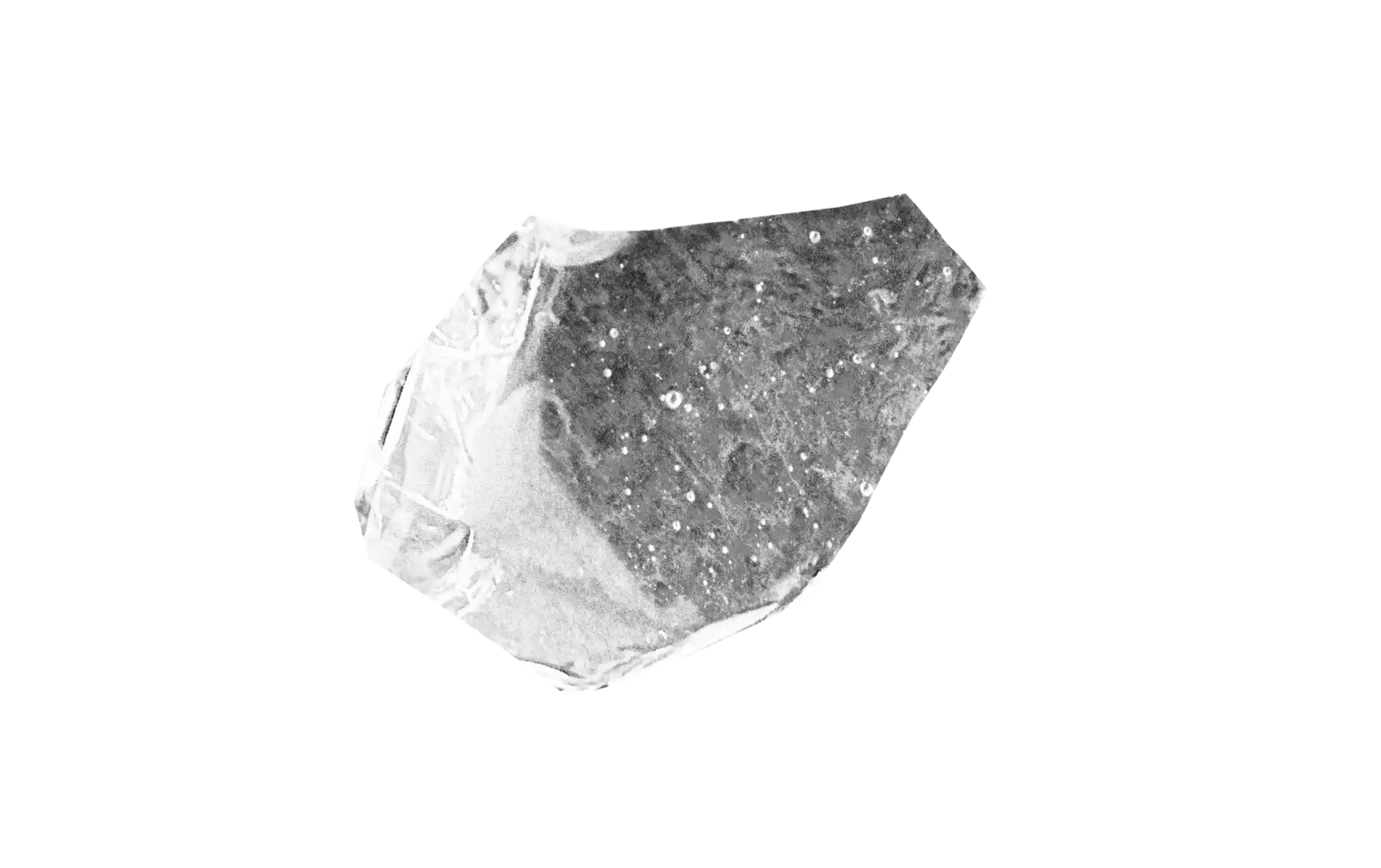
Provided by Sarah Brayer, "from the Sea to the Stars"
This recognition signifies that Echizen Washi has moved beyond its role as a traditional Japanese craft to be globally valued as a material for protecting our shared human heritage. From its beginnings as paper for Nara-period family registries, to samurai official documents, clan notes, national currency, and the canvases of modern art, the history of Echizen Washi is a journey deeply intertwined with the heart of Japanese politics, economy, and culture, always evolving to meet the needs of the era. Each sheet of this paper is imbued with the weight of 1,500 years of Japanese history.
Image courtesy of: Sarah Brayer

