


Recently, I had the chance to speak with an artisan who has been crafting pottery in the Hasami region for four decades. When I asked him about glazes, he replied calmly, yet with the inquisitive eyes of a true seeker: "I've been at this for 40 years, and there's still so much more that I don't understand."
His words moved me, revealing the immeasurable depth of 'materials'—the very core of craftsmanship—and the unwavering dedication of an artisan who confronts this reality head-on. Behind every single piece of pottery lies a long, unending conversation with its raw materials. In this article, we'll dive into the material that serves as the very lifeline of Hasami ware—specifically, 'Amakusa porcelain stone'—to explore the blessings it provides and the challenges we must face for the future.
Amakusa Porcelain Stone: The Lifeline That Creates a Miraculous White
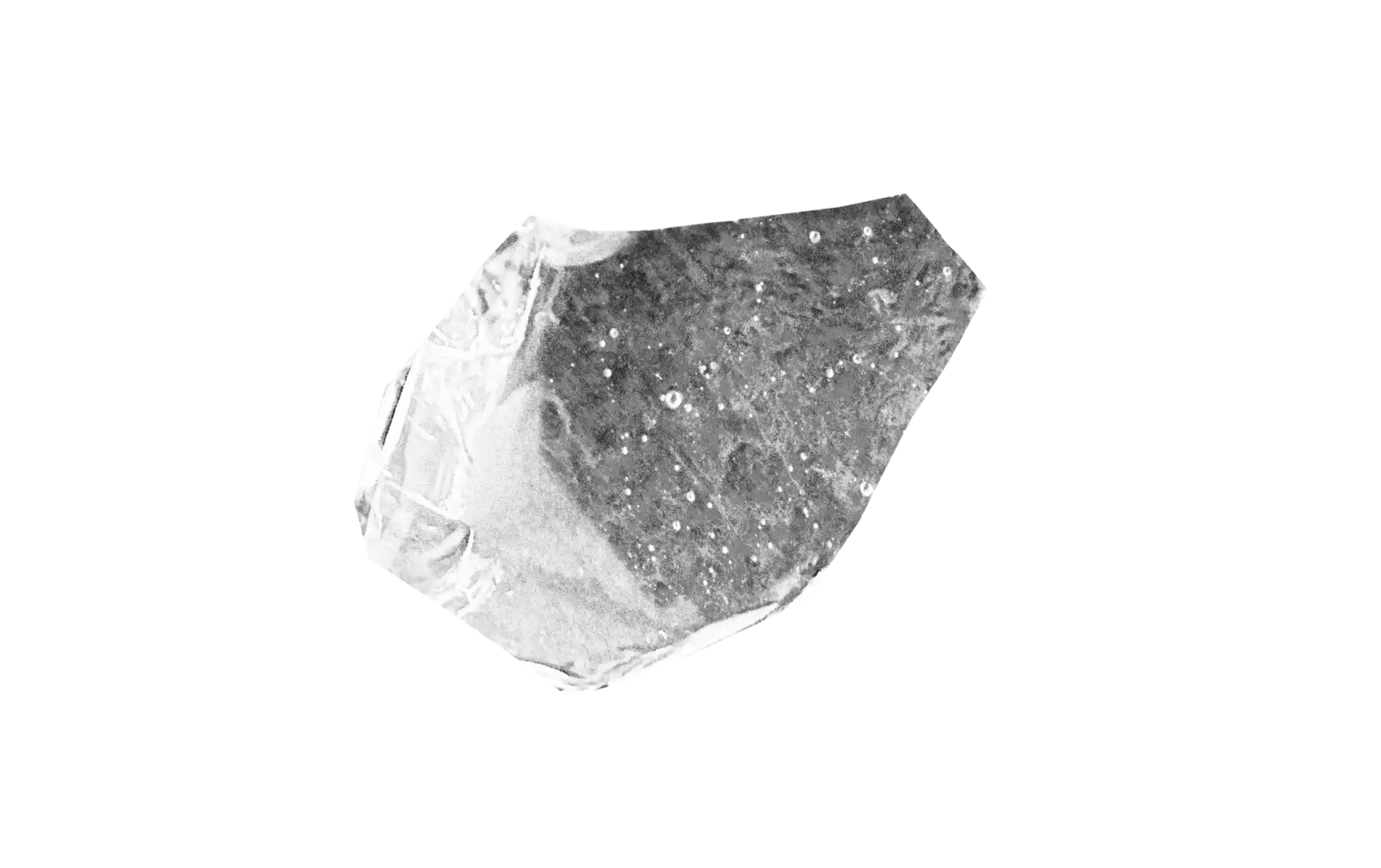
When discussing the quality and beauty of Hasami ware, it's impossible to overlook its primary raw material: 'Amakusa porcelain stone' from Kumamoto Prefecture. This stone is a vital resource, making up roughly 80% of all porcelain stone produced in Japan.
The most remarkable feature of Amakusa porcelain stone is its high purity and extremely low iron content, which is a common impurity. As a result, when fired at high temperatures of around 1300°C, it yields a pure, untainted white porcelain. This translucent whiteness creates the perfect canvas, brilliantly accentuating the colors of glazes and painted decorations.
Moreover, porcelain made from Amakusa stone is exceptionally hard and durable, even when crafted into thin pieces. With virtually no water absorption, it resists stains and is practical enough for modern lifestyles, being both microwave and dishwasher safe. Furthermore, its unique ability to be used as a standalone raw material for porcelain—without needing to be mixed with other clays—is a massive advantage for mass production, where consistent quality is essential. The widespread appeal of Hasami ware as "durable, user-friendly, and affordable everyday tableware" is profoundly linked to the blessings of this exceptional material.

A Craftsman's Dialogue with Materials: The Never-Ending Quest for the Perfect Glaze
If Amakusa porcelain stone is the "base clay" that forms a vessel's skeleton, then the "glaze" (yuyaku)—the glassy film covering its surface—is what defines its character.
One veteran artisan shared his thoughts on the fun and frustration of creating glazes. Glazes are made by calculating and mixing natural raw materials like feldspar, silica, and limestone. A single change in the formula can infinitely alter the final color and texture after firing.
For instance, the vibrant colors on a piece of pottery are the result of chemical reactions in the kiln, triggered by metallic elements in the glaze. By adjusting the amount of iron, a piece can turn light blue under one set of conditions, and black under another. Adding copper creates a brilliant turquoise blue. However, the outcome isn't always predictable. Because the raw materials are natural, their composition varies slightly depending on where and when they are mined, which can have an unexpected impact on the finished piece. The chemistry between the base clay and the glaze is another critical factor that shapes the final look.
The artisan says that even with 40 years of experience, it's impossible to master everything. This is why they constantly run tests, tirelessly pursuing the exact colors and textures they envision. Occasionally, an unexpected masterpiece emerges from a so-called "failure." This process of embracing chance and building upon each experience, he says, is the inexhaustible charm of working with natural materials.
A Quiet Crisis for a Key Resource
Amakusa porcelain stone is fundamental to the quality of Hasami ware, but the future of its supply is facing a quiet crisis. The issue isn't just about the resource running out. The more pressing concern is the decline of the mining industry itself and the associated shortage of new talent to carry it on.
Porcelain stone cannot be used straight from the mountain; it requires numerous steps, including sorting the stone by grade and processing it to remove impurities. In particular, the ability to identify high-quality porcelain stone is a highly specialized skill demanding years of hands-on experience and deep knowledge. However, the seasoned artisans who possess this vital skill are aging, and the number of successors continues to dwindle. The number of mining companies is also decreasing. At this rate, even if resources remain in the mountains, the supply chain for extracting and processing it into a usable pottery material could collapse.
The little-known reality is that the entire Hasami ware industry is propped up by a handful of mining companies and skilled technicians.

The Region's Challenge: Adapting to Evolving Materials
This intimate relationship with materials is an ongoing one, stretching into the future. The same artisan notes that while the stone used for glaze materials has relatively stable properties, the properties of the porcelain stone used for the base clay can vary from one geological layer to the next, even when mined from the same mountain. Potters must constantly identify these subtle material shifts and adapt their processes accordingly.
The region has also started embracing new technologies like 3D printing in recent years. This isn't a case of simply chasing the latest trend. The move is driven by a challenge linked to the material crisis: a decline in specialized "mold makers" (kataya) who create the plaster molds for prototypes, a direct result of the successor shortage. Developing the capability to create prototypes in-house is one way the region is trying to secure the future of its craft. Even so, this technology is difficult to master without a deep knowledge of ceramics, proving that human experience and wisdom remain indispensable. From the quest for traditional materials to the adoption of cutting-edge technology to compensate for shortages, the challenges involving materials are multifaceted.

When the artisan said, "There's so much I still don't understand," it didn't strike me as a sign of defeat. Instead, it felt like an expression of reverence for the immense power of nature and a testament to a never-ending spirit of inquiry.
Behind a single piece of pottery lies the miraculous gift of Amakusa porcelain stone, the wisdom and hard work of the people who handle it, and the quiet challenges that loom over its future. As people who enjoy this incredible bounty, we should reflect on the story behind it and ask ourselves how we can help carry it into the future. Perhaps when we hold a piece of pottery with this question in our hearts, our daily lives become just a little more profound and meaningful.

