


Kochi

Hiroyoshi Chinzei
Hiroyoshi Chinzei, President of Hidakawashi Co., Ltd. After working in production and sales for eight years, he now leads the company in manufacturing Tosa Tengujo paper and expanding its use in cultural restoration.
Tosa Washi
Tosa Washi is a traditional paper produced in Kochi Prefecture and is recognized as one of Japan’s three major washi traditions alongside Echizen Washi and Mino Washi. Known for its wide variety, durability, and thinness, it includes Tosa Tengujo Paper, regarded as the thinnest washi in the world. Made from kozo fibers through meticulous processing and papermaking techniques, it is used for cultural property restoration, artwork preservation, lighting, and wrapping materials.
Tosa washi from Kochi Prefecture is considered one of the "three major" washi types alongside Echizen washi from Fukui Prefecture and Mino washi from Gifu Prefecture. It is notable for its rich variety and thin yet sturdy characteristics compared to other washi. The "Tosa Tengujo paper," which is particularly used for the restoration of cultural heritage, boasts an unmatched thinness that is rare globally.
Hidakawashi Co., Ltd. has been preserving the history of Tosa Tengujo paper for over 50 years. As production has declined with the passage of time, they have discovered new ways to utilize it while continuing to pass down traditional techniques to this day.
In this article, we will hear from Hiroyoshi Chinzei, the representative of the company, about their journey, the characteristics of Tosa Tengujo paper, and the behind-the-scenes of its production.
Expanding Recognition as Cultural Property Restoration Paper Both Domestically & Internationally
The history of Hidakawashi began in 1949 with the establishment of the Export Tengujo Paper Cooperative (輸出典具帖紙協同組合). Originally, it was an organization of farmers who made paper during the winter off-season.
"In the past, we made each sheet by hand, but as times changed, the demand for easily processed roll paper increased. We decided to move towards mechanized production due to the limitations of hand-making, leading to the establishment of our company in 1969. For some time, we operated in parallel with both hand-making and machine production, but gradually the latter became more dominant."
Initially, the company focused on OEM products such as wrapping paper and shoji screens, but business declined due to the simplification of packaging. Additionally, the Westernization of homes reduced the number of Japanese rooms and shoji screens, leading to decreased demand for washi.
"In contemplating how to survive, we turned our attention to cultural properties. We diligently continued to engage with corporations while learning about the industry of cultural properties. As we built connections one by one, we eventually attracted interest from restorers studying abroad who came to learn about cultural heritage restoration.
"We also conducted workshops overseas to raise awareness of Tosa Tengujo paper, which, thankfully, spread through word of mouth."
In recent years, the preservation status of Japan's historical texts and paintings has begun to attract attention for being significantly superior to that of other countries, leading to the reputation of the base paper made from kozo.
"We create not just ordinary 'paper,' but 'materials' that protect culture." The washi produced under this philosophy has received high acclaim as restoration paper from libraries and museums both in Japan and abroad. Today, they supply washi to cultural heritage institutions in Europe, North America, and South America, with a record of usage in UNESCO's Memory of the World.

The World’s Thinnest Washi Made Through Thorough Raw Material Processing
The most notable features of Tosa Tengujo paper are its astonishing “thinness,” “transparency,” and “strength.” The secret lies in the carefully selected raw materials and the meticulous manufacturing process.
The main ingredient for washi, kozo (Japanese mulberry), is characterized by long and thick fibers, making it a highly flexible material. Due to its fiber thickness, which allows it to withstand repeated folding, it has been valued for creating scrolls and envelopes since ancient times.
On the other hand, the long fibers can easily cause ink or paint to bleed. To prevent this, they sometimes mix in other shorter fibers depending on the intended use.
Kozo paper is produced through approximately eight processes: cooking (boiling), washing and cleaning, beating, bleaching, pulp preparation (fiber mixing), sheet formation (using a papermaking machine), rolling, and finishing. When asked about the distinctive features of their manufacturing method, Chinzei responded:
“Washing and cleaning is a very important process that significantly affects the quality of the final product. If washed properly, fine fibers flow away, making the paper softer and enhancing its transparency.
"Furthermore, our flagship product, the world’s thinnest Tosa Tengujo paper at 0.02mm thick, can tear if larger fibers get mixed in due to the differences in fiber tension. To avoid this, we carry out our cleaning process more finely and carefully than anywhere else in the world.”
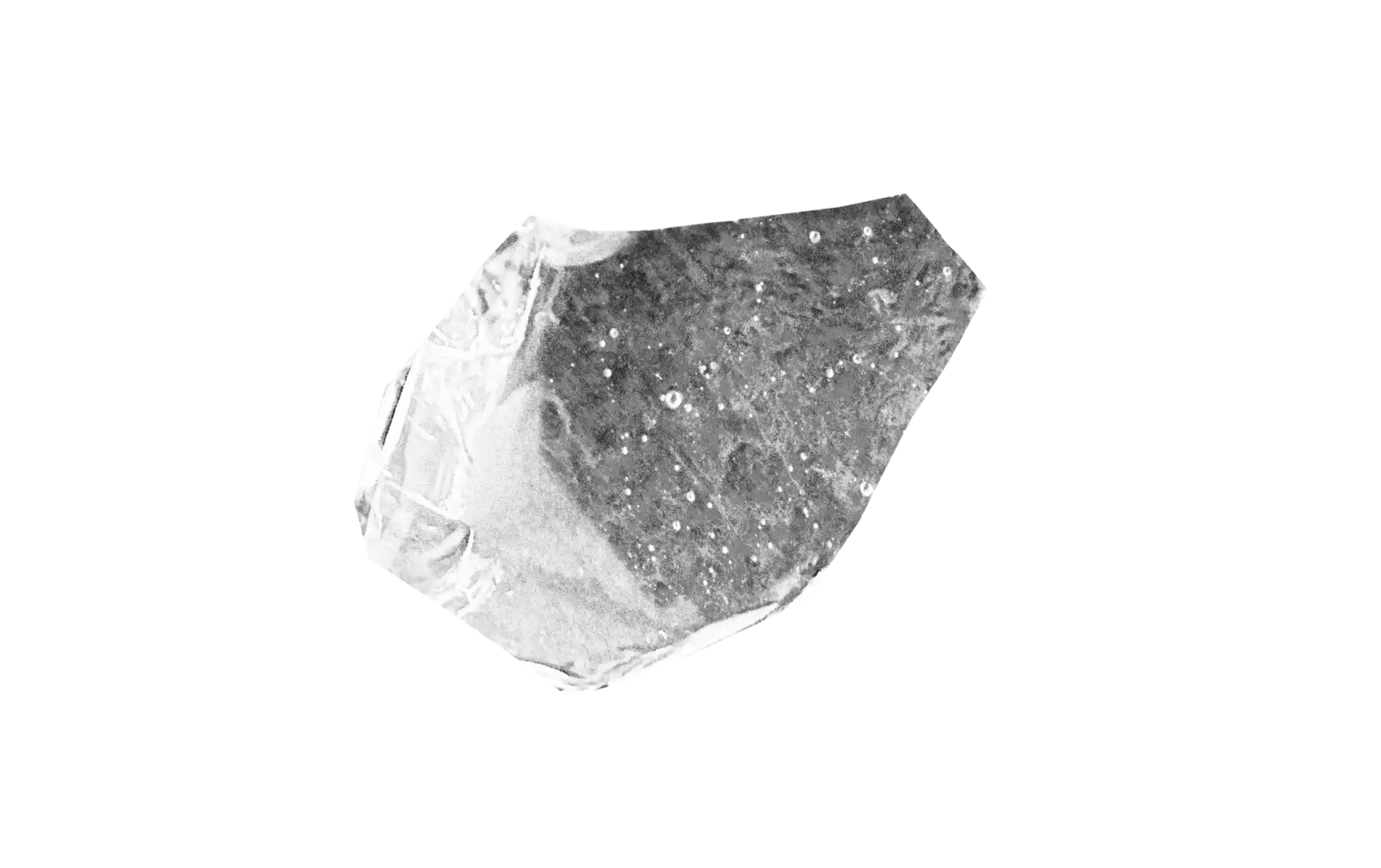

The company handles three types of kozo: Japanese, Chinese, and Thai, and selects them according to orders.
“In warmer regions, kozo grows quickly, but the risk of pests and diseases increases, which leads to a higher resin content in the kozo to prevent these issues. Higher resin content can repel ink, which calligraphers generally dislike. However, such materials tend to be relatively inexpensive, making them more commonly chosen in certain regions.”
Users involved in the restoration of cultural properties have the highest demand for Japanese kozo. It is said that washi developed in Kochi Prefecture due to the abundance of high-quality raw materials and the availability of pure water necessary for paper-making, but there are many challenges in securing domestically sourced kozo.
“Managing kozo requires time and money. With the aging workforce, it is truly challenging to continue securing domestic materials.”
Additionally, the demand for once-popular packaging paper and shoji paper has significantly decreased. Changes in lifestyle and the transformation of market structures cast shadows on the future of traditional crafts. “There are processes that cannot continue without government support. However, I still want to preserve the 'real thing,'” he expresses.

New Possibilities of Washi from “Material” to “Art”
Hidakawashi offers various products beyond Tosa Tengujo paper, including washi used for lanterns and lighting, wrapping, and cut-paper crafts, attempting to transition from “washi as material” to “washi as artwork.”
The company’s materials are utilized in new venues and VIP rooms of high-end brands, and they have achieved collaborations with world-renowned sculptors and the watch brand Citizen. The company specializes in washi with design and transparency.
“Recently, luxury hotels have been increasing, and I feel that there is a trend towards the use of PVC and vinyl in such places. From now on, I believe we will gradually transition to using paper in various areas.”

When asked about the company’s future, Chinzei expressed, “I want to spread our expertise in cultural heritage restoration beyond just Tosa washi.”
“Using washi for the restoration of cultural properties has become standard worldwide. In the future, I hope to accumulate information from various countries through workshops and establish a database-like resource. Additionally, as we have mostly worked behind the scenes, I would like to create a piece of washi that serves as a symbol for our company.”
Currently, he is in the middle of developing plans to realize this vision. I am greatly looking forward to what kind of washi will be created in the future.
Chinzei stated, “Through washi, we can communicate with people from different cultures and languages. To me, washi is like a language.” He will continue to embrace new challenges in a changing era, captivating people around the world with Tosa washi.

Text by Rika Okuyama

Japanese Craft Glossary
The History of Arimatsu Shibori: Tracing 400 Years of Turning Points From 1608 Settlement to Global Fashion

Seeking the Artisans
