
In my line of work, I'm constantly in touch with various fabrics and threads. As a designer, I'm reminded every day of how a material's texture, strength, color, and history can dramatically shape a product's final look and feel. It’s for this reason that whenever I come across traditional crafts, I find myself captivated by the core "material" that underpins their beautiful forms.
Recently, as I delved into the craft of Mizuhiki, what truly captured my imagination was the incredible potential of its fundamental material—washi paper—and the challenges it faces moving forward. How is it possible for a single paper cord to create such a diverse and powerful range of expressions? The secret, I feel, is hidden in the wisdom and philosophy of artisans who have dedicated themselves to understanding this material. I want to explore the profound depth of this material and consider how we should engage with it in the future.
The Secret to Its Crisp Strength: It All Begins with a Single Twisted Washi Cord
When you first lay eyes on a Mizuhiki creation, you might be struck by the contrast between its delicate curves and its crisp, dignified tension. Though just a slender cord, it stands independently as if it has a will of its own, sketching beautiful lines in the air. The source of this unique property is found in Mizuhiki's fundamental structure.
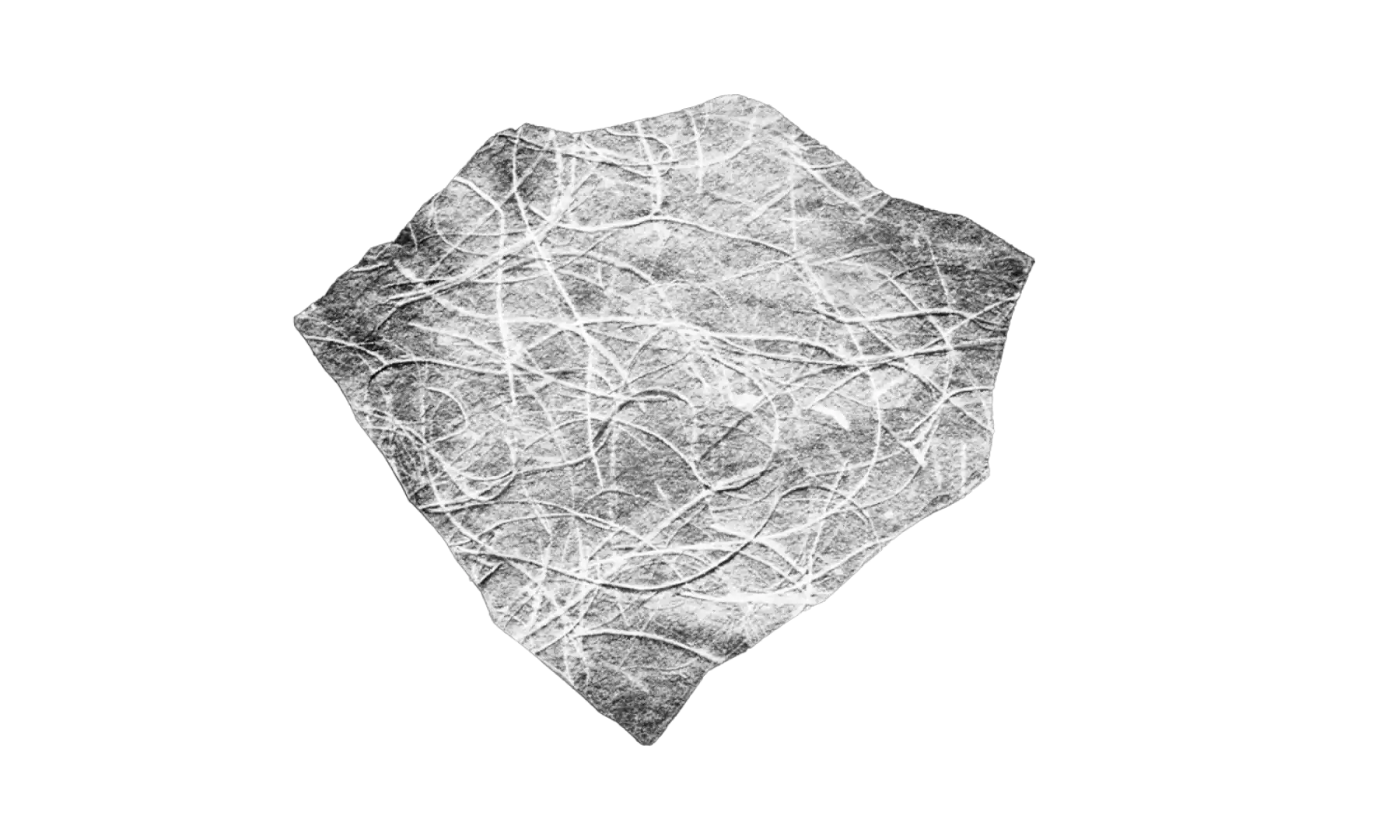
The core of a Mizuhiki cord is a koyori, a string made by slicing washi paper into long, thin strips and twisting them tightly. Paper made from kōzo (paper mulberry), known for its long, tough fibers, is often used, forming the foundation of the material's strength. This washi koyori is precisely what gives Mizuhiki a resilience and tension unmatched by other types of string. It's far more than simple paper tape; the twisting process transforms the material into something entirely new, endowing it with incredible tensile strength and elasticity.
This washi koyori then serves as the core, around which colorful threads and films—like dyed Tetoron, rayon, or polyester—are spirally wound to create the diverse Mizuhiki cords we see today. Their varied expressions, from glossy sheens and matte textures to metallic glimmers, are born from the fusion of the strong washi core and the decorative artistry of the outer wrapping. Understanding the material's origins reveals that every single cord is packed with traditional wisdom and craftsmanship.

The Power of the Material: Unlocking Infinite Forms
A key feature of Mizuhiki is how the material's inherent power enables three-dimensional shaping in a way that's difficult with other mediums. You could use metal wire to create rigid, fixed shapes, but Mizuhiki produces organic curves filled with supple "movement" and "flexibility."
This "coexistence of firmness and softness" is the essential charm of Mizuhiki. It's paper, yet it has the tension of a wire; it's firm, yet it has the pliability of a thread. These physical properties are why, even when an artisan bends, knots, and assembles the cords into three-dimensional structures, the lines remain sharp and distinct, never collapsing, and always creating fluid, graceful forms. As one artisan puts it, the inherent power of the Mizuhiki material is magnificent, and beautiful shapes emerge when that power is harnessed to its fullest potential.
The material's versatility is another key factor that broadens its expressive range. The same knot can appear completely different simply by changing the Mizuhiki's color, or it can be used to "represent" something else entirely. Imagine creating a knot that symbolizes a pine tree, not in traditional green and gold, but in a bold orange. The material's accommodating nature embraces this kind of creative freedom. By understanding its properties and unlocking its potential, the horizons of expression stretch infinitely, from traditional ceremonial gifts to contemporary works of art.

Without "Good Paper," It Can't Begin: What We Can Do to Support the Future of Mizuhiki
The rich expressive potential of Mizuhiki is built on the foundation of high-quality washi paper. But the reality is that traditional, handcrafted washi—the very core of this art form—is becoming increasingly rare today. Washi production is a labor-intensive process that demands significant time and effort, and it's facing a critical challenge: a shortage of successors to carry on the craft. The potential instability of the supply of premium raw materials needed to create top-quality Mizuhiki is a long-term challenge the craft must confront.
This isn't an issue unique to the craft of Mizuhiki alone. The "downstream" industries that create finished products can only thrive if the "upstream" industries that produce raw materials exist. A local industry is formed through the collaboration of various companies, all using materials sourced from regional paper manufacturers. In essence, a weakening of the production foundation for washi paper could impact the entire future of the Mizuhiki industry.
At the same time, some artisans are moving beyond a strict adherence to traditional methods, flexibly incorporating new techniques and ideas. For example, one artisan drew inspiration from the techniques used to process rattan, another natural material, and applied them to Mizuhiki to create a novel, flame-like expression. This is an inspiring attempt to re-examine and expand the possibilities of a traditional material from a contemporary viewpoint.
How can we evolve the methods of expression while preserving the material's tradition? And how can the community and society as a whole tackle the crucial challenge of ensuring a stable supply of these essential raw materials? These are questions that everyone involved in craftsmanship should consider as we look toward the future.

It's a fresh reminder that exploring materials means learning from past wisdom, expanding their potential with present-day techniques, and facing the challenges of the future. The words of artisans who earnestly engage with their materials reveal the rich story behind each product, the difficulty of carrying it into the future, and the sheer joy of the process. As users, perhaps by reflecting on this background and understanding the value of the materials, we can cultivate a deeper connection with traditional crafts. We will continue to keep a close eye on the future of the materials that sustain these beautiful crafts.

