


Thinking about where the materials for our everyday tools come from and the journey they’ve taken can truly enrich our lives.
During our research on Nambu ironware, we uncovered the complex history of its core material: iron. This metal, responsible for the craft's famously sturdy and simple character, has had a far from simple past.
The evolution of its materials—from an ideal 'local-first' model to the modern challenges of today—mirrors the changing nature of craftsmanship itself. In this piece, we'll explore the story of the materials at the heart of Nambu ironware and look toward its future, guided by the insights of its artisans and makers.
The Genesis of a Craft: Born from the Bounty of the Land
Nambu ironware flourished in Iwate for a simple reason: the land provided everything needed for casting. It was almost destined to be.
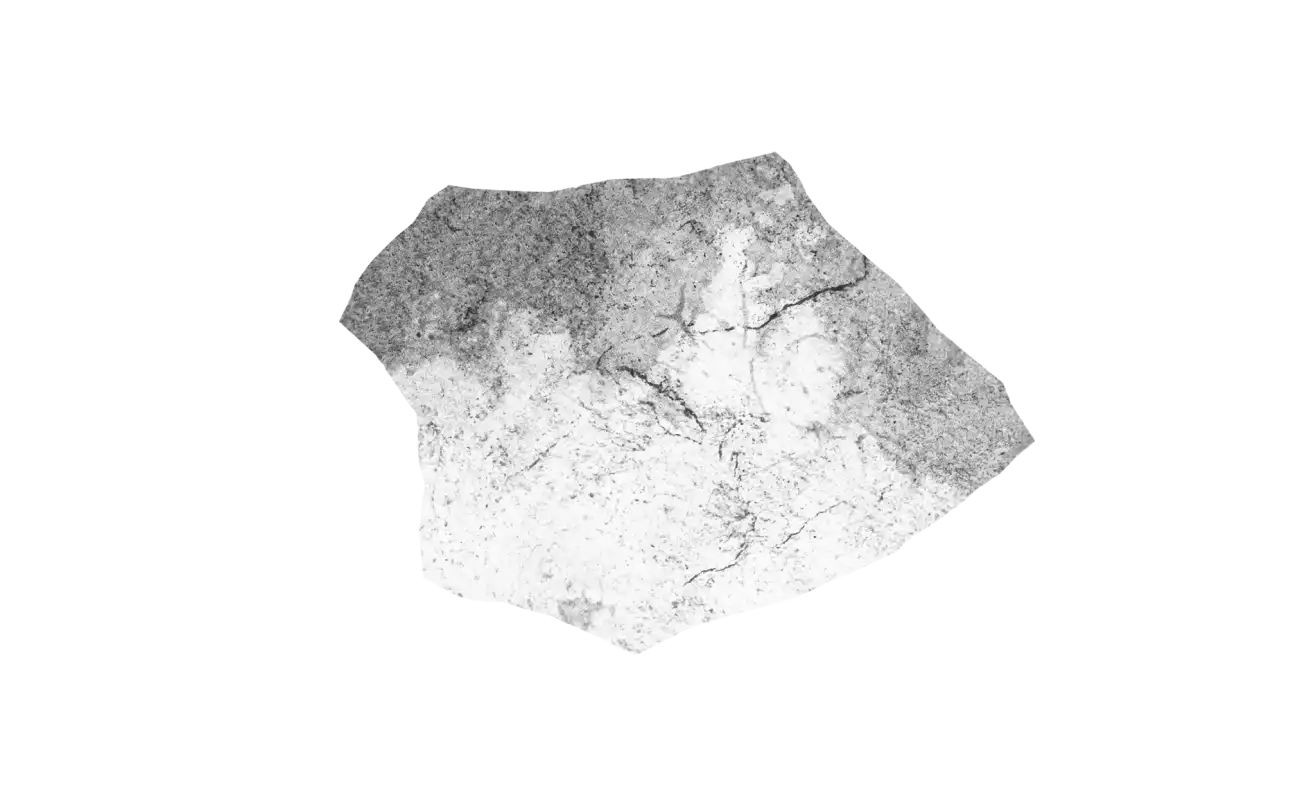
Charcoal from the mountains served as fuel, while molds (igata) were crafted from the sand and clay of the Kitakami River. Even the key ingredient, iron, was sourced locally in the form of high-quality iron sand (satetsu).
Local artisans used local fuel to process local iron sand, creating tools that became essential to daily life. From our modern viewpoint, this was a perfect, self-sustaining cycle of 'local production for local consumption.'
This story of materials reveals a time when crafts were deeply intertwined with the local culture and economy. This solid foundation allowed Nambu ironware to refine its quality and forge its own unique path of development.

From Iron Sand to Pig Iron: A Practical Choice for Preserving Quality
Today, however, iron sand is rarely used in Nambu ironware production. Over time, mining yields dwindled, and its place has been taken by 'casting pig iron' (sentetsu), derived from iron ore.
This wasn't just a simple material swap. As one artisan explained, this pig iron has "high carbon and silicon content, making it flow smoothly when melted."
This superior fluidity is what allows for the delicate patterns and the characteristically thin, uniform surfaces (utsuwahada) of Nambu ironware. With its consistent quality, pig iron has become an essential partner in modern craftsmanship, providing the technical support needed for the artisans' precise work.
When we think of 'tradition,' it’s easy to imagine something static, with materials and methods frozen in time. But the history of Nambu ironware is one of evolution—of choosing the best materials available in each era and adapting techniques accordingly.
Upholding tradition while pursuing the highest quality sometimes requires making the tough decision to change materials. The switch from iron sand to pig iron was a pragmatic and necessary choice for this traditional craft to survive and thrive.
Battling Invisible Hurdles: Sourcing Materials in a Globalized World
Even with pig iron as the new standard, sourcing it has brought a new set of challenges. The head of one workshop revealed, "It's becoming harder and harder to get raw materials locally these days."
Procurement, once a completely local affair, has changed. Now, instead of each workshop securing its own materials, the 'Nambu Tekki Cooperative Association' purchases them in bulk for everyone.
This points to a larger, structural issue facing not just Nambu ironware, but traditional crafts all across Japan. As sources of raw materials dry up and the number of suppliers shrinks, the very survival of these crafts becomes dependent on external supply chains.
Before artisans can even begin their daily work with iron, they must first tackle the much larger problem of how to secure a stable supply of it.
This reality reminds us that when we hold a piece of craftsmanship in our hands, we're also holding a story of global supply chains, dedicated collaboration among a region's makers, and their quiet, persistent efforts.

Urushi Lacquer: The Other Star Player that Colors and Protects the Iron
When discussing the materials of Nambu Tekki, urushi lacquer is just as indispensable as the iron itself.
Lacquer is traditionally used to finish the ironware. It's baked onto the heated piece, a process that not only creates a deep, beautiful black or brown hue but also forms a tough, protective film to prevent rust.
Interestingly, this lacquer was also a vital local resource cultivated right here in Iwate. The prefecture was home to some of Japan's leading producers of high-quality lacquer, supplying the other key player needed to craft the ironware.
The meeting of these two materials—iron and lacquer—was another key factor that made the birth of Nambu Tekki in this region almost inevitable. The solid, substantial feel of iron is perfectly complemented by the smooth, subtle sheen of lacquer. These distinct materials enhance each other's best qualities, perfecting the unique character and functionality that define Nambu Tekki.
Through our research, one thing became crystal clear: materials are not just mere 'ingredients' but eloquent storytellers that shape the very identity of the craft.
The story of Nambu Tekki begins with iron sand, a gift from the local land. It evolved with the use of pig iron, which fueled technological advancements, and today, it faces the new challenge of ensuring a stable supply.

When you hold one of these tools in your hands, taking a moment to consider the evolution of its materials and the efforts of its creators can transform your relationship with the object, making it deeper and more meaningful.

