

The dignified presence and lasting durability of Nambu ironware aren't achieved overnight. This exceptional quality is upheld by sophisticated artisan techniques, honed and passed down through centuries.
In this article, we delve into the unique technologies, ingenious logic, and challenging mastery hidden within the process of creating a single iron kettle. We'll explore these aspects through the very words of the artisans we interviewed.
“Casting Doesn't Lie”: The Strict, Uncompromising Principle
To truly understand the techniques behind Nambu ironware, we must first appreciate the strict principles of the casting craft.
A master craftsman, a designated Traditional Craftsperson, captures its essence: “With casting, you can never create a good piece by accident.” He explains that if the mold (igata) isn't perfect, the final product will never be good.
These words highlight the unforgiving nature of the manufacturing process. Even the slightest flaw in the mold will directly translate into a defect in the final product.
The artisan adds, “You can't blame anyone else for the slightest mistake.” The outcome, he says, rests entirely on the creator's skill and responsibility.
This unforgiving standard, where you cannot shift blame, is what makes casting so challenging—and also what makes it so rewarding. To create a single piece, perfection is demanded at every stage. An immutable law exists: cut one corner, and the piece fails.

Wisdom Born from the Ashes of a Fire: The “Kanakedome” Oxide Film that Prevents Rust
An essential technique in the Nambu ironware lexicon is the unique rust-prevention method known as *kanakedome* (or *kamayaki*).
This process involves firing the newly cast ironware in a charcoal fire at extreme temperatures, between 800 and 1,000 degrees Celsius. This heat treatment intentionally forms a dense, stable film of triiron tetroxide (Fe3O4)—also known as 'black rust'—on the iron's surface.
This black rust film acts as a powerful barrier, inhibiting the formation of 'red rust,' which causes corrosion. Interestingly, the story goes that this technique was inspired and developed during the Meiji era, after an unrusted iron kettle was discovered among the ruins of a great fire in Morioka.
What makes this technology so brilliant is that, unlike modern coatings that completely seal the surface, it ingeniously works with the material's natural properties. The oxide film created by *kanakedome* prevents red rust while still allowing beneficial divalent iron ions to be moderately released into the water when it is boiled.
Thus, the two great benefits of Nambu ironware—rust resistance and iron supplementation—are masterfully balanced through this traditional technique.

A Union of Beauty and Function: The “Arare” Pattern Born from an Artisan's Patience
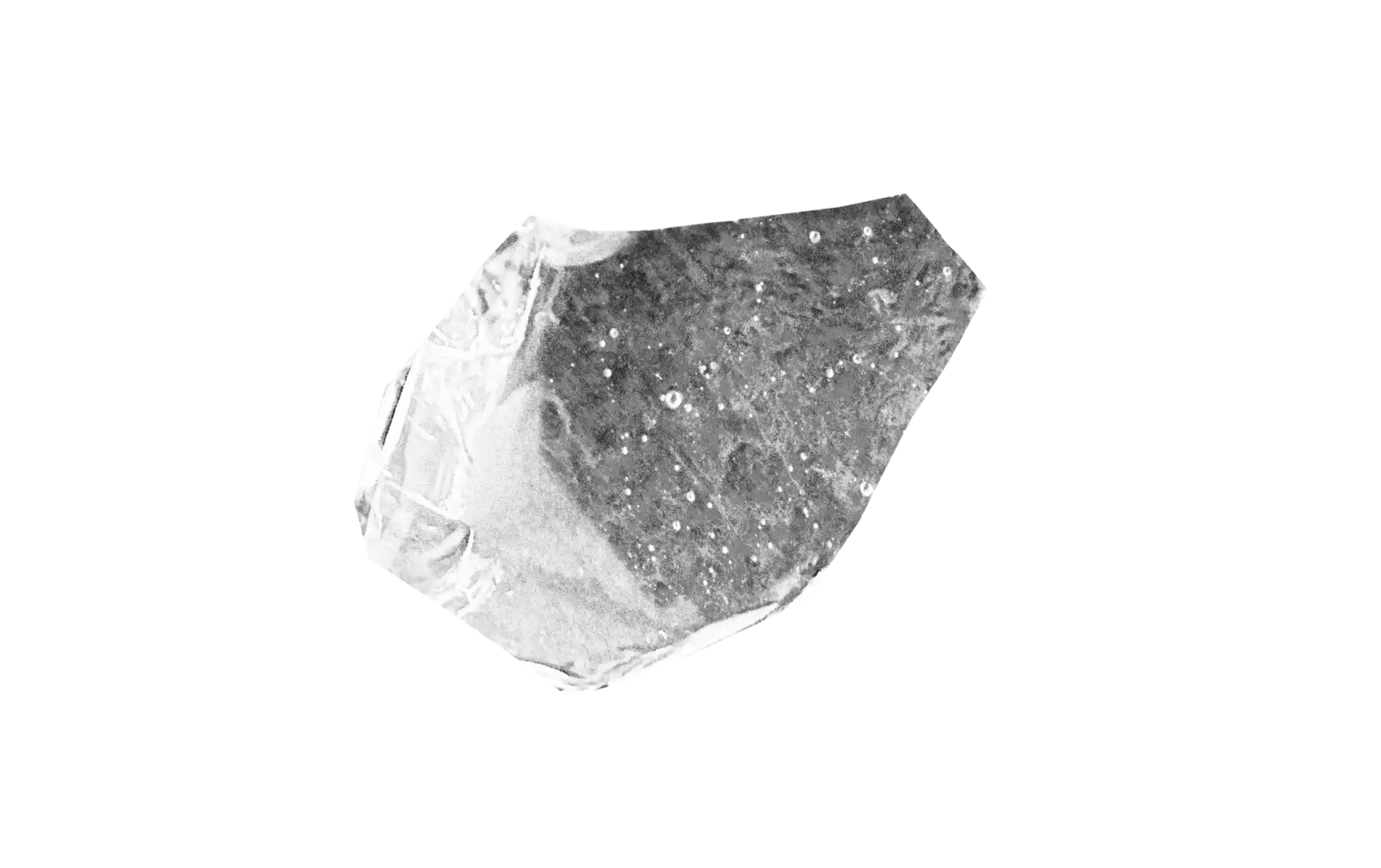
The aesthetic value of Nambu ironware is defined by its unique surface texture—the *ihada* (casting skin)—and its patterns. The most iconic of these is the *arare* pattern, a design whose creation demands exceptional skill and patience from the artisan.
This pattern is created by meticulously pressing individual dots into the soft, damp interior of the mold using a special stylus. As one artisan describes the process of creating the beautifully aligned vertical, horizontal, and diagonal lines, “it's a task that requires immense patience.”
The task of impressing countless dots with perfect uniformity in depth and spacing, without a fraction of an error, is a true testament to the mastery of handwork.
The *arare* pattern is more than mere decoration. By creating countless protrusions, it increases the ironware's total surface area, which serves the functional purpose of enhancing heat storage and retention. It is a design brimming with the wisdom of the ancients, perfectly balancing aesthetic beauty with practical utility.

It's All in the Handle: The 'Tsuru,' a Blacksmith's Art Separate from Casting
The handle, or 'tsuru,' is a critical component that dictates the overall balance and elegance of an iron kettle. In fact, it's often said that "a kettle's quality is decided by its handle," underscoring the need for specialized blacksmithing skills completely different from the casting process.
The 'fukurozuru,' or hollow handle, often found on top-tier kettles, stands as a testament to the sophisticated artistry of Nambu Tekki. It demands an incredibly high level of blacksmithing prowess, as artisans meticulously heat, hammer, and bend a single iron sheet over and over to shape it into a hollow tube.
This hollow construction brings functional brilliance: it doesn't get as hot from the kettle's body, is lighter, and still boasts impressive strength. The existence of blacksmiths who specialize solely in crafting these handles—distinct from the casters—speaks volumes about the depth of this expertise.

Beyond Words: The 'Tacit Knowledge' and the Challenge of Passing Down the Craft
It takes an incredibly long time to master the full spectrum of these complex skills. While it was once said that it took ten years to be considered a true artisan, even today, it requires three to five years of rigorous training just to learn the ropes.
One artisan opened up about the mental challenges of the craft, admitting, "When a piece doesn't turn out right, it's honestly pretty crushing."
Many steps in the process hinge on 'tacit knowledge' that defies simple explanation—things like judging the temperature by the color of molten iron or feeling the exact moisture content of the sand. This analog method of skill transfer, where apprentices have traditionally learned by observing and 'stealing' the techniques of their masters, now confronts a serious crisis: a lack of new artisans to carry the torch.

The craft of Nambu Tekki is a comprehensive art form, a stunning fusion of scientific precision and an artisan's intuition that can only be cultivated through years of experience. Learning about the sheer depth of technique poured into a single iron kettle is the key to truly understanding and appreciating its immense value.

