
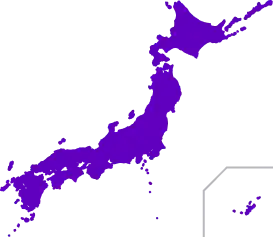
Saga
Nao Tesuki Washi
Crafted through a process of cultivating kaji trees, extracting their fibers, and hand-forming sheets while adjusting thickness and texture depending on use. The material mainly consists of locally grown kaji fibers, and it is used for crafts such as lanterns and various paper products.

Nestled in the mountainous Nao district of Saga Prefecture, Nao Tesuki Washi is a craft that has been passed down for approximately 330 years. They are a rare find, cultivating their own kaji (paper mulberry), the raw material for washi, then making the paper and even developing it into final products. Their free-spirited creativity, which transcends the traditional craft framework, and their knack for utilizing local materials are shedding new light on the future of washi. We talked to Gen Taniguchi, who sees washi as "something to be enjoyed," about his philosophy, his craft, and the future Nao Tesuki Washi is shaping.
The Roots of Nao Tesuki Washi: Born from Farmers' Ingenuity
The story of Nao Tesuki Washi began around 330 years ago when local farmers brought back papermaking techniques from Chikugo in Fukuoka. The Nao area has very little flat land, making it tough to live on farming alone. Papermaking was a new skill they learned to make up for the scarcity of arable land.
The discovery that the native kaji trees were perfect as a raw material helped foster Nao's unique washi culture.
Making paper, finding customers, creating business opportunities—they had to handle it all. This fostered an "open workshop culture" in Nao from early on. A history of collaborating with artisans, such as lantern makers, to fine-tune the paper's thickness and texture for different applications continues to inform their co-creative spirit today.
The essence of Nao Tesuki Washi isn't a stiff-necked determination to preserve tradition, but a natural approach of "simply continuing to make paper as an extension of our lives."

Washi Making with Kaji: A 300-Year-Old Living Material
The raw material used in Nao is kaji, part of the Broussonetia genus in the mulberry family—the same family as the more commonly known kozo. "We call our raw material *kago*," he explains. "The scientific classification doesn't really matter. What's essential for us is that this is the *kago* that grows right here in Nao."
Generations of people have come and gone, but the kaji trees here have been living on this same land for 300 years.
To the Nao artisans, the kaji is more than just a raw material; it’s like a "partner that holds memories."
Its leaves change with the seasons, and typhoons naturally trim its branches. Cared for simply by mowing the surrounding grass without pesticides, the kaji grows in rhythm with the land itself before being processed into paper.
This time spent watching the plant's transformation is in itself the "seasonal observation" so vital to Nao's papermaking, forming the very core of their craft.

Creating Art from the Entire Washi Environment
A visit to the Nao Tesuki Washi workshop immerses you in the world of papermaking. Here, artistic expression extends beyond the paper itself. They record the sounds of the papermaking process and the nature surrounding the workshop, playing them back as "ambient sound" that fills the space.
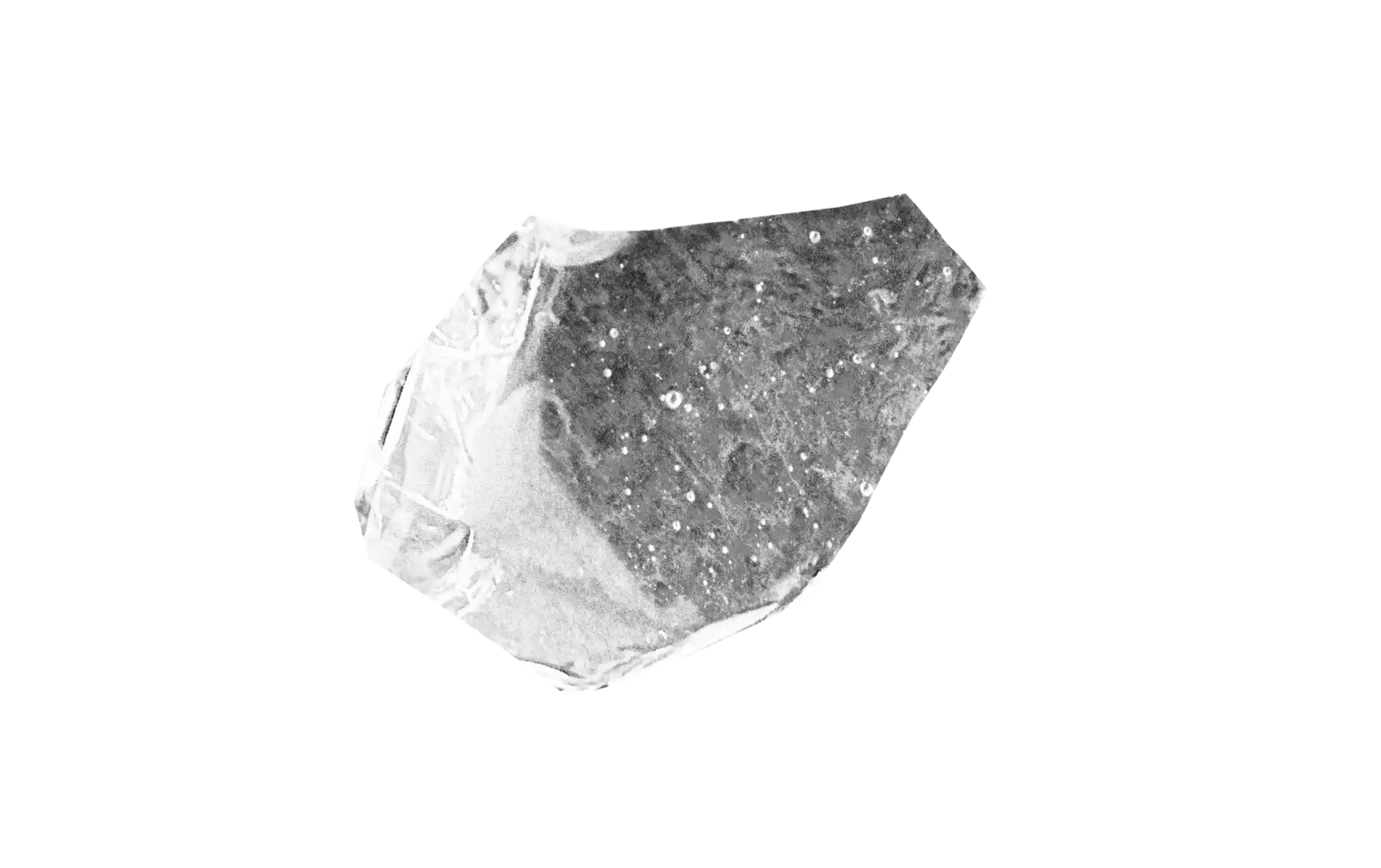
The materials mixed into the paper pulp are just as varied. By grinding materials found sleeping in the land—like porcelain stone from Arita ware, soil from the fields, and seashells from Jomon period ruins—into a fine powder and blending it into the paper, the color and texture are dramatically transformed.
The paper's character also shifts with the light and humidity, creating completely different moods in the same space between morning and evening.
Venture deeper inside, and you'll find a room completely covered in washi. Visitors are encouraged to sit, touch, and walk on the paper, experiencing the room's constant transformation. This is because Nao believes that "paper is only complete when it embodies a story and its environment." This approach—treating even the memories of the land hidden within the paper as part of the "artwork"—effortlessly transcends the boundaries of traditional craft.

External Collaborations Breathe New Life into Nao's Archives
Few customers come to Nao Tesuki Washi just to buy paper. Instead, they visit the workshop, immerse themselves in the local environment, and brainstorm paper concepts in conversation with the artisans.
This process of "creating paper together" has become a vital source of inspiration for Nao.
Surprisingly, Showa-era techniques and archival samples from Nao's past are often received as "fresh discoveries" by outside designers and artisans. "An outside perspective helps us unearth our own history," says Taniguchi.
These collaborations not only expand Nao's creative horizons but also revive dormant history, transforming it into new works of art.

A 'Wild' Way of Thinking to Build the Future: Nao's Next Chapter as a Material Supplier
Behind Taniguchi's statement that he continues papermaking "because it's fun" is the influence of Lévi-Strauss's "野生の思考," which he encountered in college.
The concept of "bricolage"—the art of making things from a diverse range of materials at hand—deeply resonates with Nao's approach to craftsmanship.
Nao's papermaking process, from its tools to its techniques, is so primitive that it could function even without electricity.
"Because our roots are firm, we can branch out and try new things without wavering."
So says Taniguchi, who envisions a future where they use papermaking to create "everyday items akin to folk crafts" with their own hands.
It's not about preserving tradition, but about evolving through enjoyment. Just like the kaji (paper mulberry) trees that have been rooted in Nao for over 300 years, Nao Tesuki Washi will undoubtedly continue to evolve with boundless creativity.

The Nao Tesuki Washi workshop is home to a rich world that extends far beyond the simple material of washi paper. Watching the kaji trees grow, gathering local materials, and shaping paper alongside visitors—it's all done for the sake of enjoyment. Tradition isn't something to be guarded; it's something that continues naturally through joy. Nao's paper is a quiet testament to this philosophy.

Japanese Craft Glossary
The History of Arimatsu Shibori: Tracing 400 Years of Turning Points From 1608 Settlement to Global Fashion

Seeking the Artisans
