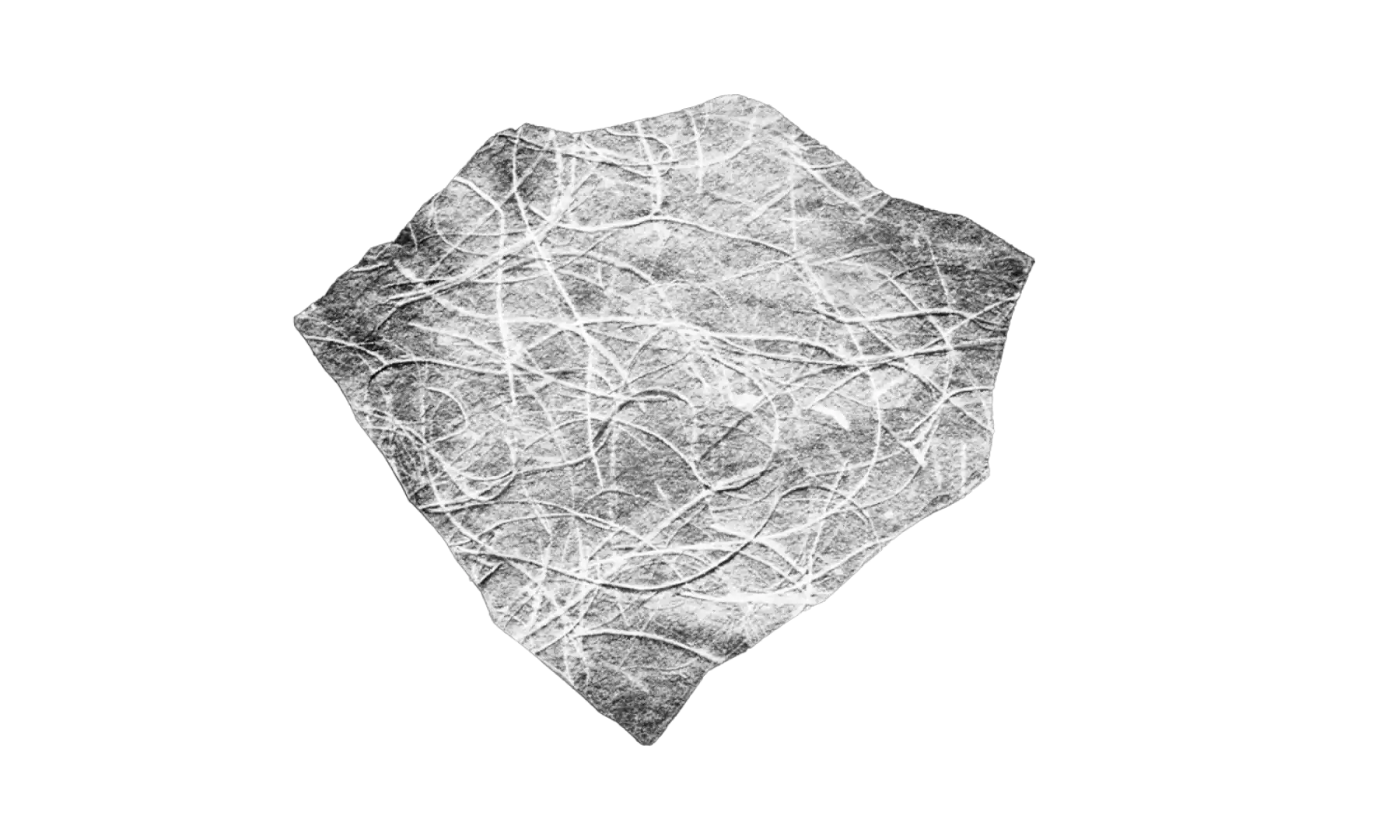
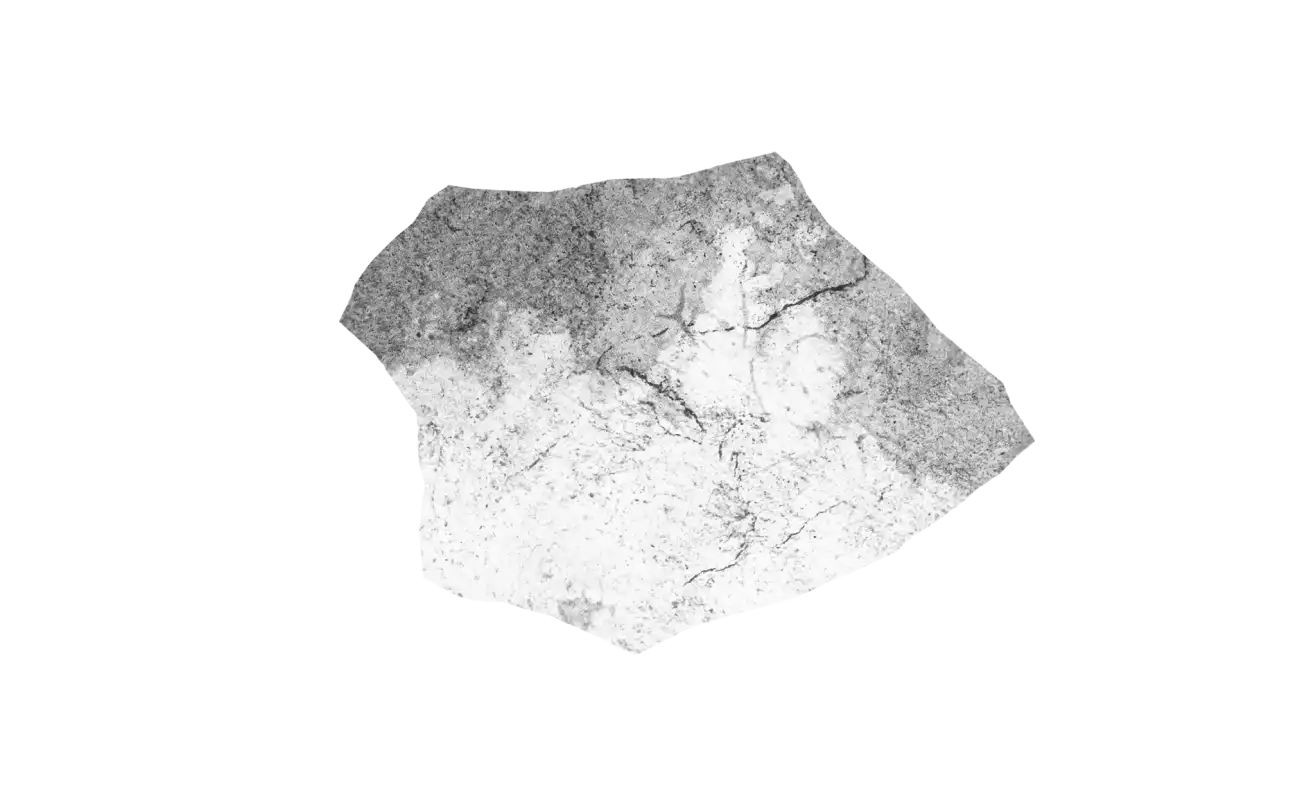

When you hear "Shigaraki ware," you might picture the charming tanuki (raccoon dog) figurines. Or perhaps the wabi-sabi-style jars (tsubo) and tea bowls prized in the world of the tea ceremony. As we trace the roots of its diverse expressions, we arrive at one unshakable fact: the unique character and value of Shigaraki ware are inextricably linked to the special "clay" that can only be found in this region.
In this article, we'll focus on the "materials" that shape Shigaraki ware. We'll explore the traditional clay, etched with memories of a land that was once the bottom of a lake long ago; the modern clay, born from grappling with limited resources; and the futuristic clay, which merges with technologies from other fields. Following this evolution reveals how Shigaraki ware has not just preserved tradition but has actively created its own future. While some parts might get a bit technical, let's journey together into its profound world.
Rugged yet Warm: The Traditional Clay Nurtured by an Ancient Lake
The sculptural strength of Shigaraki ware and its texture, which feels as warm as human skin, are deeply rooted in the properties of its raw clay. Its home was the bottom of the "Paleo-Biwa Lake," the precursor to Lake Biwa, a massive lake that existed in the Shigaraki area about 4 million years ago. Over eons, sediment and the remains of plants and animals accumulated, forming an ideal clay layer for pottery known as the "Kobiwako Sōgun" (Paleo-Biwa Lake Group). It is this geological blessing that truly sets Shigaraki ware apart from ceramics from other regions.
Artisans expertly blend different types of clay extracted from this Paleo-Biwa Lake Group according to what they are creating. Two main types of clay are central to this process. The first is "kibushi nendo" (wood-fragment clay). This is an extremely fine-particle clay rich in fossilized plant matter, giving it strong stickiness, or high plasticity (the ability to be shaped without breaking). This clay facilitates smooth forming on the potter's wheel.
The other is "gairome nendo" (frog's-eye clay). This clay contains coarse, sand-like particles such as quartz and feldspar, and is characterized by its high fire resistance. Because it resists deforming even at high temperatures, it provides the structural strength that forms the backbone of the piece. It is especially indispensable for "ōmono-zukuri" (the making of large pieces), such as the large jars and ceramic bathtubs for which Shigaraki ware is famous. The combination of the supple kibushi clay, which aids in shaping, and the robust gairome clay, which supports the structure, is what has made Shigaraki ware's uniquely large and warm forms possible.
The influence of this unique clay extends beyond just how easy it is to shape; it encapsulates the very beauty of Shigaraki ware. Iron in the clay reacts chemically with the kiln's flames, developing a reddish-brown coloration known as "hiiro" (fire color). Furthermore, the feldspar grains in the gairome clay melt during the high-temperature firing process and appear on the vessel's surface as white specks. This effect, called "ishihaze" (stone bursts), is a hallmark of Shigaraki ware, which uses unrefined, coarse clay, and it creates a "scenery" that speaks to the raw power of the earth. What’s fascinating is that these beautiful decorations aren't painted on by an artisan's brush. Instead, they are a rustic beauty that emerges naturally when the material itself—the clay—meets the flames. It is as if the ancient memories of the lake, left behind in the earth, are brought to the surface of the vessel by the fire.

Image courtesy of Uzan-gama (Uzan Seito Co., Ltd.).
Embracing a Finite Gift: How Modern Clay is Paving a Circular Path
However, this high-quality pottery clay, Shigaraki's greatest treasure, is not an infinite resource. We're told that unearthing new clay layers costs a fortune, and success is often a matter of luck. This challenge of a limited resource, coupled with modern society's growing environmental consciousness, has sparked a new idea in Shigaraki: "recycled pottery." This initiative involves collecting and crushing ceramics from homes and factories—whether discarded or generated as production byproducts—and blending them into new clay.
This isn't just about environmental consideration by reducing waste. Amazingly, this recycled-material-infused clay also helped solve a technical problem. When making pottery, especially large pieces, warping and cracking caused by clay shrinkage during drying and firing are constant issues. However, the clay mixed with this recycled material delivered an unexpected technical boon: it suppresses shrinkage during firing and enhances the final piece's strength. A challenge inherent in a traditional material was overcome by a material born from a modern perspective. This dynamic perfectly illustrates the fascinating adaptability that has always been a hallmark of Shigaraki ware.
To continue cherishing the clay passed down from the past. And to breathe new life into things that have served their purpose, sending them back into the world as products with new value. This recycled pottery, where the modern value of sustainability and the tradition of craftsmanship masterfully converge, is adding a new page to the story of Shigaraki ware.

Forged from a Fusion of Fields: The Luminous Clay of the Future
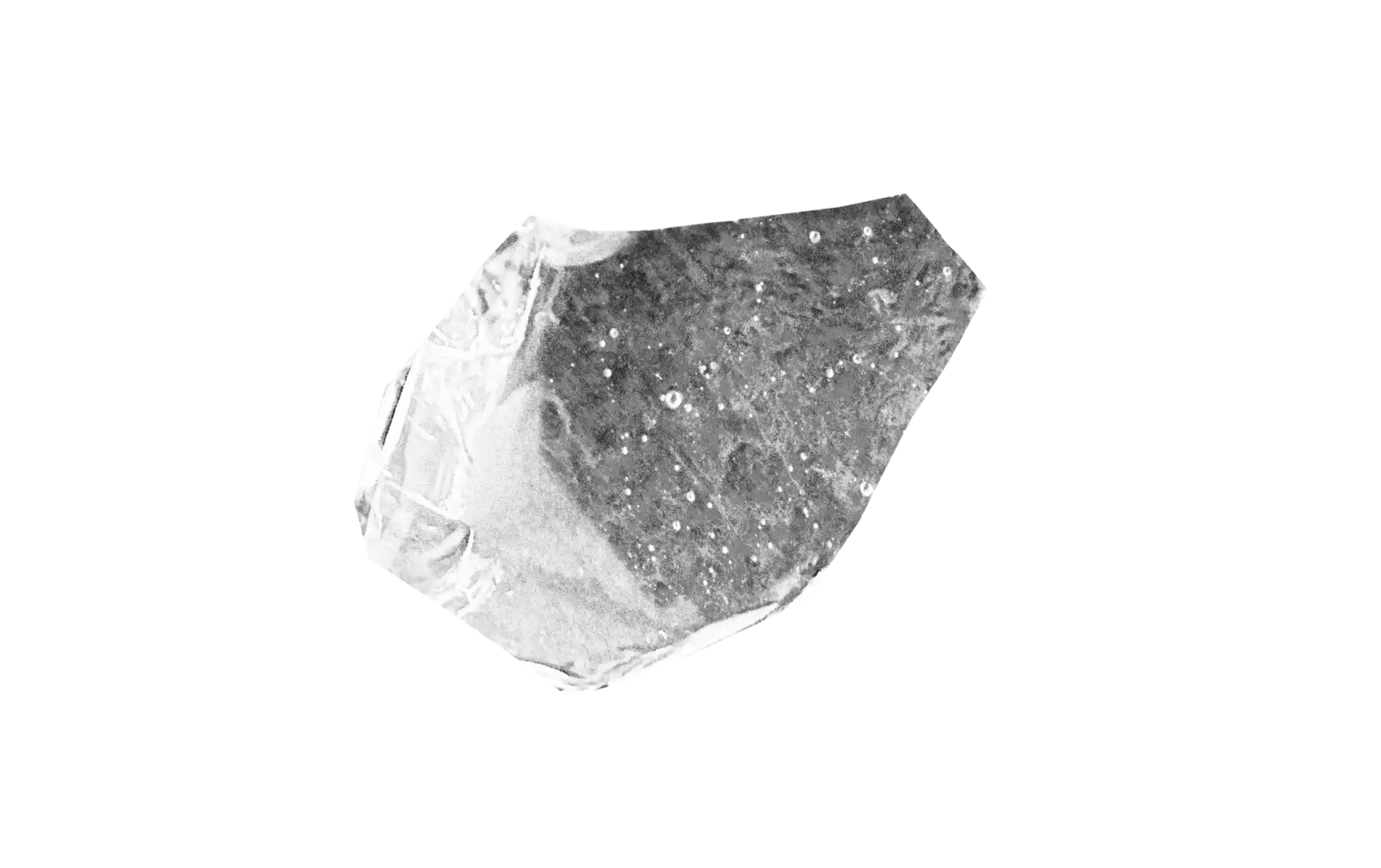
Shigaraki ware's exploration of materials doesn't stop at recycling the past. Daring challenges that overturn the conventional wisdom of pottery are also underway, incorporating materials from completely different fields. One such endeavor is the development of a new clay that utilizes 'fused silica,' a glassy raw material that is a waste byproduct of the optical fiber manufacturing process.
The impetus for this development was a potter's desire to create lighting fixtures. However, traditional pottery is opaque, so its use in lighting was limited to methods like carving holes in it. After repeatedly consulting a ceramics research center about this challenge, a new, translucent material was born. This material, while a type of porcelain, has the major advantage of being fireable at around 1250°C, the same temperature as standard Shigaraki ware.

Image courtesy of Uzan-gama (Uzan Seito Co., Ltd.)
Furthermore, the developer reportedly left a message, saying, "This clay is still a work in progress." Indeed, this special clay still faces technical hurdles. Because it shrinks differently than conventional clay when fired, the glaze (the glassy coating on the surface) can sometimes peel off. Yet, the artisans embrace even this imperfection and difficulty as 'interesting' and continue their process of trial and error. Perhaps it is precisely because it's incomplete that it holds the dormant potential for expressions no one has ever seen before.
While traditional clay paints a beauty of fire and ash known as 'scenery' (keshiki), this futuristic clay transmits light, revealing new expressions through external illumination. A byproduct from a completely different industry has been brought into the world of traditional crafts and is on the verge of creating a new standard of beauty. The fascination of working with materials isn't just about deeply understanding their properties and maximizing their potential. Sometimes, it's about knowing their limits or combining them with something entirely new to open doors to unimagined possibilities.

Shigaraki ware's journey of 'material' exploration offers us profound lessons. There's the traditional clay, born from the unique geological gift of the ancient Lake Biwa strata. There's the recycled clay, answering the modern challenge of finite resources. And there's the futuristic clay, which fuses with technology from other fields to pioneer new possibilities for pottery. Together, they are an eloquent testament to the fact that Shigaraki ware is a living craft, one with a story that stretches from the past into the future. When you consider that the coarse texture of a single vessel holds the intertwined memories of an ancient lake and the narrative of future challenges, doesn't the piece in your hands feel all the more precious?

