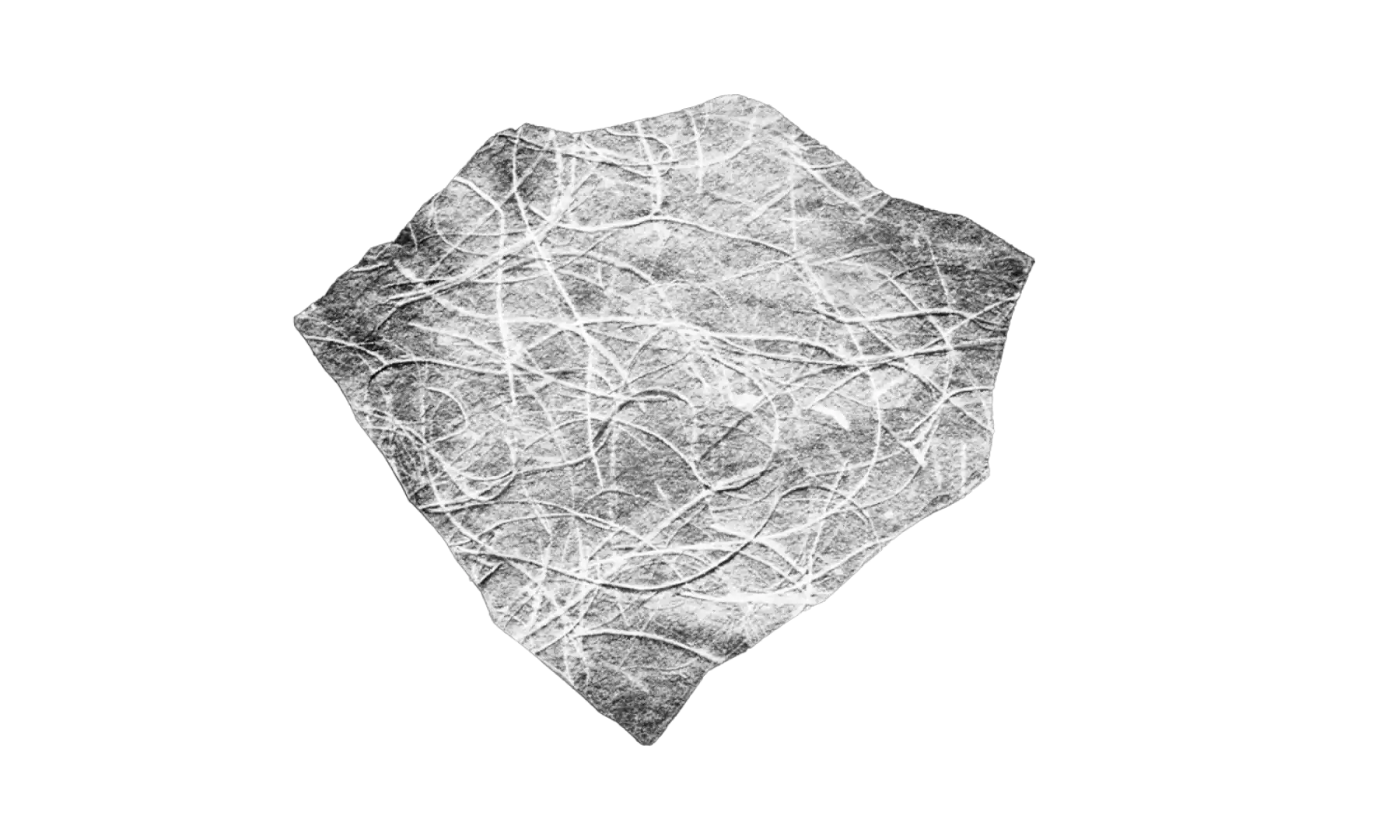
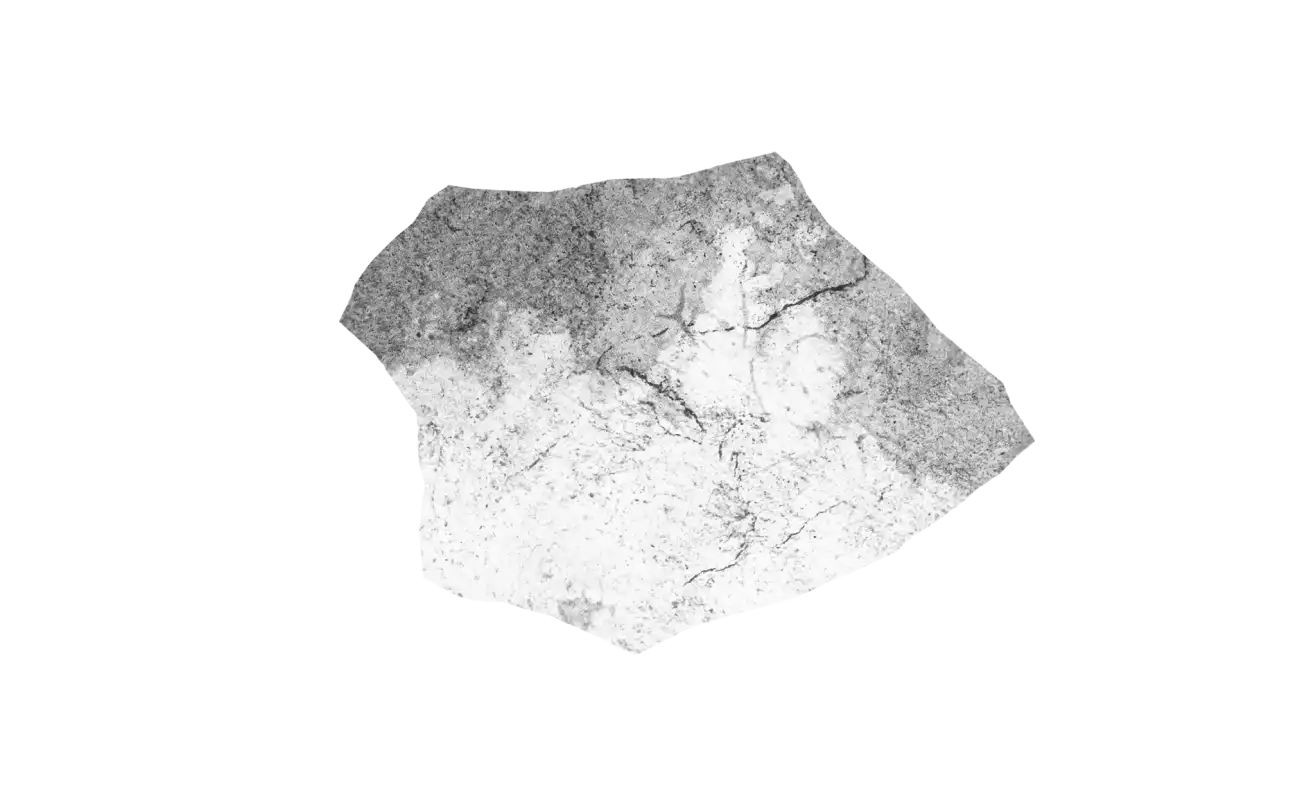

Tsugaru-nuri is a signature traditional craft of Aomori Prefecture. As you dive into its captivating world, you'll likely come across a memorable term: 'Tsugaru no Baka-nuri,' or 'The Fool's Lacquering of Tsugaru.' At first glance, the name might seem derogatory. However, upon investigation, we find it carries the exact opposite of contempt—it’s filled with profound respect for the creators' incredibly sincere and dedicated work.
In this piece, we'll take a journey of discovery together, exploring what makes Tsugaru-nuri so special, why it earned its peculiar nickname, and delving into its rich history and unique features.
What is Tsugaru-nuri? Hirosaki, Aomori's Pride and a National Important Intangible Cultural Property
Tsugaru-nuri is a type of lacquerware produced in the Tsugaru region of Aomori Prefecture, centered around the city of Hirosaki. The technical heart of this craft is a method called Togidashi Kawari-nuri (polished-out varied-pattern lacquering), a technique that is quite rare in Japan. Instead of painting a design directly onto an object's surface, artisans painstakingly apply dozens of layers of different colored lacquer. These layers are then polished down to be perfectly smooth, revealing a complex, profound pattern from within. This distinctive process gives the final piece a depth and robustness unseen in other forms of lacquerware.
Its exceptional skill and artistry have been widely recognized. It was designated a National Traditional Craft in 1975, and in 2017, its production techniques were named a National Important Intangible Cultural Property. This was a landmark achievement for Aomori Prefecture, highlighting the significant place Tsugaru-nuri occupies in the history of Japanese crafts. One particularly fascinating discovery is that it's the northernmost traditional craft in Japan to receive this designation. This geographical background is another crucial element in fully appreciating the character of Tsugaru-nuri.

Why Is It Called 'The Fool's Lacquering of Tsugaru'?
You can't discuss Tsugaru-nuri without mentioning its nickname, 'Tsugaru no Baka-nuri.' The name originates from the incredibly complex production process and the sheer amount of time it requires. A single piece must go through more than forty individual steps, a journey that takes several months to complete.
This repetition of honest, meticulous work—so painstaking it's deemed 'foolish' and the polar opposite of efficiency—is precisely what gives Tsugaru-nuri its unmatched durability and a deep, rich beauty that seems to glow from within. As such, the term 'Baka-nuri' has been used for generations by locals as a nickname filled with affection and deep respect for the artisans' uncompromising dedication. This seemingly irrational obsession with detail ultimately yields the most rational outcome of all: a product durable enough to last for decades. This, one could say, is where the true charm of Tsugaru-nuri is most apparent.

Four Signature Techniques, Each with a Unique Character
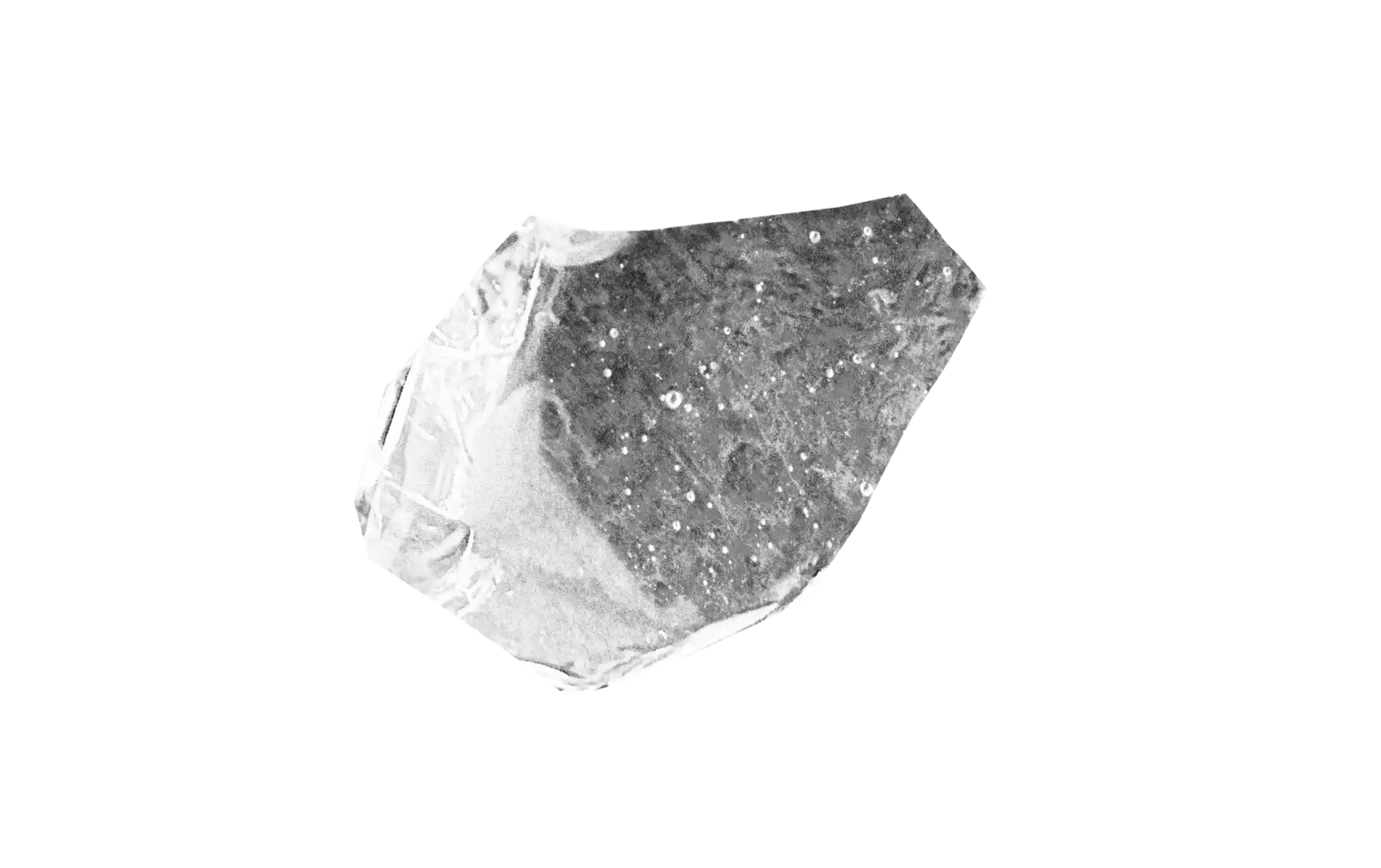
The fundamental principles of togidashi-kawari-nuri, a "polish and reveal" technique, have evolved into four signature methods. Each method uses different tools, materials, and processes to create a completely unique look. Let's explore the distinct features of each.
Kara-nuri
This is the most common and representative technique of Tsugaru-nuri. First, thickened lacquer is applied by tapping it with a special spatula (shikake-bera) to create a bumpy, speckled surface. Multiple layers of colored lacquer are then applied on top. When this is finally polished, a complex and abstract pattern emerges. The design can resemble flowing clouds or swirling water, giving it a deep and powerful impression. The 'Kara' in its name doesn't mean it originates from China; rather, like the term 'karamono' (which refers to high-end imported goods), it is said to express the pride in being 'the finest of lacquerware.'
Nanako-nuri
In contrast to Kara-nuri, this technique offers a refined and delightful impression. Rapeseeds are sprinkled evenly over a lacquered surface. After the lacquer hardens, the seeds are removed, leaving behind a pattern of small, ring-like impressions. Polishing this surface reveals a stylish pattern reminiscent of Edo-komon textiles. The name comes from the fact that the dense array of rings looks like fish roe (nanako). Since fish lay many eggs at once, this pattern also carries auspicious wishes for the prosperity of one's descendants.

Image courtesy of Tsugarunuri Tanaka
Monsha-nuri
This technique creates a decidedly modern and understated feel, using textural contrast rather than color to create patterns. A design is painted in thick black lacquer, and after it dries, the entire surface is sprinkled with charcoal powder (sumiko) made from burnt rice husks. When polished, the areas with the original design become glossy black, while the rest of the surface takes on a matte black texture from the charcoal powder. The pattern subtly emerges and shifts with the light. Its name is a combination of 'mon' (pattern) and 'sha,' the Tsugaru dialect word for rice husks. This is a unique method of expression specific to Tsugaru-nuri, truly one-of-a-kind in Japan.
Nishiki-nuri
Of the four techniques, this is the most intricate, ornate, and magnificent. A base is first prepared using the Nanako-nuri technique. Then, classical motifs like karakusa (arabesque patterns) are drawn in black lacquer, followed by further embellishments with multiple colors of lacquer. After polishing, the result is a gorgeous finish reminiscent of a vibrant nishiki brocade. It demands an extremely high level of skill, so very few artisans can produce it, making these pieces incredibly rare and valuable.

Image courtesy of Tsugarunuri Tanaka
The Journey of Tsugaru-nuri: A Legacy Over 300 Years in the Making
The history of Tsugaru-nuri dates back to the mid-Edo period in the latter half of the 17th century. It is believed to have started when Tsugaru Nobumasa, the fourth lord of the Hirosaki domain, invited a lacquerware artisan (*nushi*) named Ikeda Genbei from Wakasa (modern-day Fukui Prefecture) as part of a policy to promote local industries. At first, the technique was used to adorn items like samurai sword scabbards (*saya*). Over time, its application expanded to furniture and accessories, including tiered food boxes (*jubako*) and inkstone cases (*suzuribako*), elevating its status as a prized gift from the domain.
With the arrival of the Meiji era, the craft faced a crisis after losing the patronage of the feudal domain. However, a turning point came in 1873 when it was exhibited at the Vienna World's Fair. It was on this occasion that the craft was officially named "Tsugaru-nuri," gaining recognition both in Japan and internationally. Following this, with support from the prefecture and the establishment of artisan training centers, it solidified its foundation as a modern industry.
However, the industry was hit hard again by the economic depression of the Showa era and the Second World War. The driving force behind its recovery was the "Mumeikai" (Nameless Association), a group formed in 1946 by 28 young artisans. Thanks to their proactive efforts, Tsugaru-nuri made a comeback, and its stunningly durable lacquerware became extremely popular during Japan's high-growth economic period.
The Origins of Tsugaru-nuri: Forged by the Tsugaru Climate
To understand why Tsugaru-nuri flourished here, we must look at the natural environment and culture of the Tsugaru region. Known for its harsh winters and heavy snowfall, this climate is thought to have cultivated a culture that valued more than just functionality in everyday tools. People strongly sought "robustness" and "durability."
Tsugaru-nuri can be seen as the ultimate expression of a value system deeply rooted in the Tsugaru region—one that cherishes sturdy items built to endure fierce snowstorms and last for generations. The "fool's lacquering" (*baka-nuri*) process, which creates lacquerware durable enough to last for decades, was more than just a technical decision; it was perhaps a cultural imperative, a true embodiment of the local spirit.

We've covered the basics of Tsugaru-nuri, from the dedicated spirit of the artisans behind the nickname "fool's lacquering" to the rich expressions of the four main techniques born from polishing, and the incredible durability cultivated by Tsugaru's harsh climate over 300 years. Learning how all these elements are deeply intertwined to create this single craft was a fascinating discovery. I hope this article has opened a door for you into the profound and beautiful world of Tsugaru-nuri.

