
Tsugaru-nuri is a traditional craft and a source of pride for Aomori Prefecture. Behind its profound beauty and resilience that lasts for decades lies a production process so time-consuming and labor-intensive it's been nicknamed "Tsugaru's foolish lacquering."
So why is this seemingly inefficient handcrafted process so essential? In this article, we'll explore the journey of creating Tsugaru-nuri, learning together how each meticulous step contributes to its ultimate "beauty in utility."
The Unseen Foundation: The Crucial Base-Coating Process
The quality of Tsugaru-nuri is ultimately determined by the creation of its base coat—a layer that is completely hidden in the final product. This meticulous attention to the unseen is the very foundation of the durability that allows these pieces to be used for decades.
- Wood Base Shaping (Kiji-kakō)
Everything begins with the 'kiji,' or wooden base. Thoroughly dried wood like Aomori Hiba cypress is shaped using the 'hikimono' technique (turning on a lathe) for bowls and trays, or the 'sashimono' technique (wood joinery) for items like tiered 'jūbako' boxes. This wooden core is the canvas for the long process ahead.
- Cloth Application (Nuno-kise)
Next, the wooden base is reinforced. Linen cloth is applied with lacquer to structurally weak areas like rims and joints. By using an adhesive made of rice paste and lacquer to bond the cloth seamlessly to the wood, the overall durability of the piece is dramatically increased.
- Main Base Building (Honkataji-zukuri)
This is one of the most critical steps in ensuring the legendary robustness of Tsugaru-nuri. A paste-like primer called 'sabi-urushi'—made by mixing lacquer with 'jinoko' (earthen powder) and 'tonoko' (whetstone powder)—is repeatedly applied to the base with a spatula. After each layer, the piece is left to dry completely before being polished smooth with a whetstone. This repetitive process builds up a perfect, thick base layer as hard as stone, forming the resilient 'skeleton' of the lacquerware.

Not 'Painting' a Pattern, but 'Embedding' It: The Essence of 'Togidashi-kawari-nuri'
With the flawless base complete, the process moves on to the most iconic feature of Tsugaru-nuri: 'togidashi-kawari-nuri' (polished-out layered lacquering). Instead of painting a design on the surface like most lacquerware, Tsugaru-nuri artisans use a unique method of embedding the 'seeds' of a pattern within layers of lacquer, only to 'excavate' them later.
This process can be broken down into two main stages:
1. The 'Shikake' (Pattern Seeding)
This involves intentionally creating a textured pattern base on top of the smooth undercoat. The specific 'shikake' method used here is what defines the distinct design of each technique discussed below.
2. Layering (Nurikasane)
Over the textured surface created by the 'shikake,' multiple layers of different colored lacquer are applied. At this point, the embedded pattern is completely concealed beneath the new layers of lacquer.
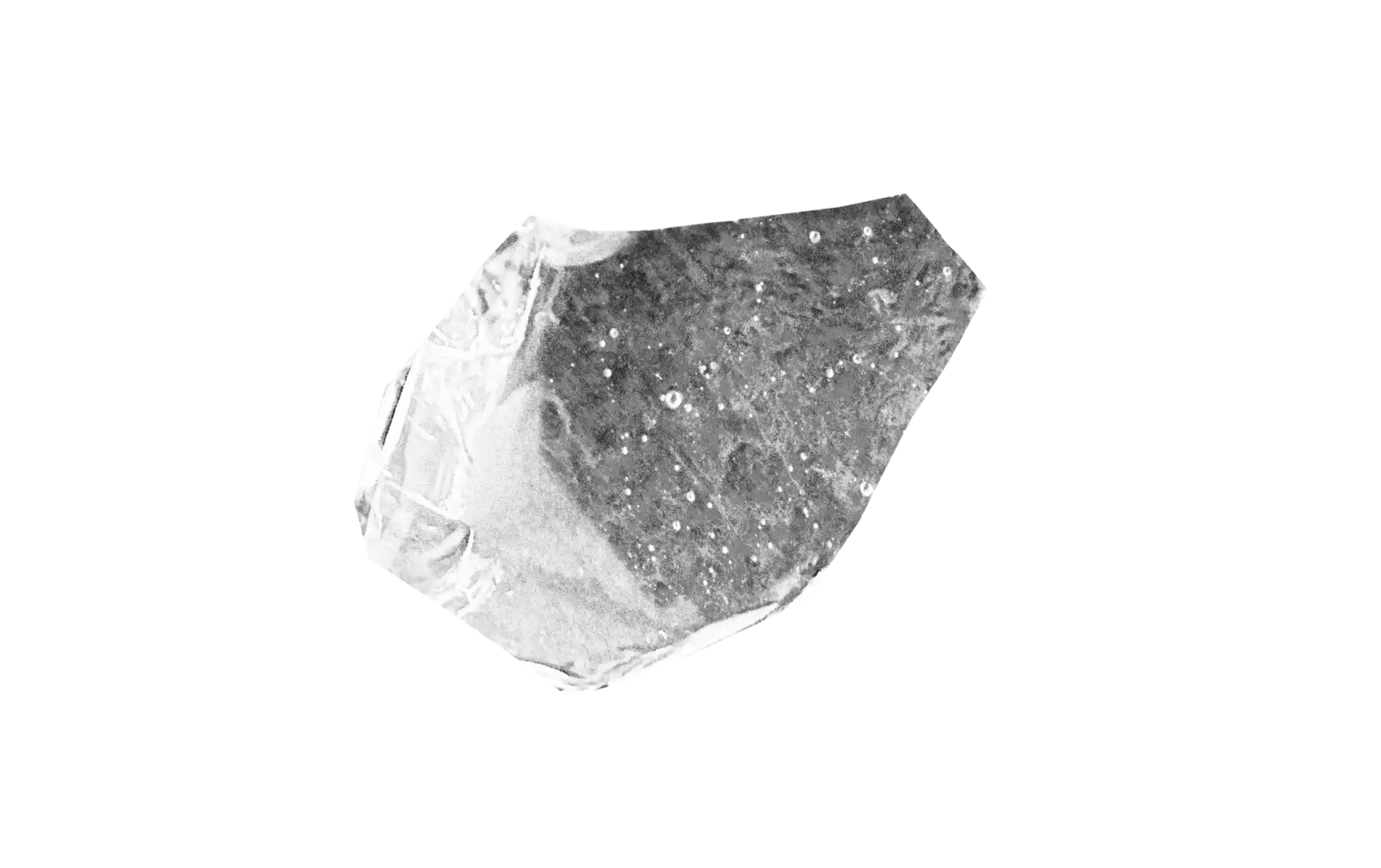

Image courtesy of Tsugaru-nuri Tanaka
A World of 'Shikake': Exploring the Four Major Techniques
Tsugaru-nuri is primarily known for four major techniques. The distinction between them lies entirely in the unique 'shikake' (pattern seeding) process each one employs. Let's explore the materials, tools, and methods used to embed the patterns in each technique.
- Kara-nuri: Complex Mottled Patterns from a Special Spatula
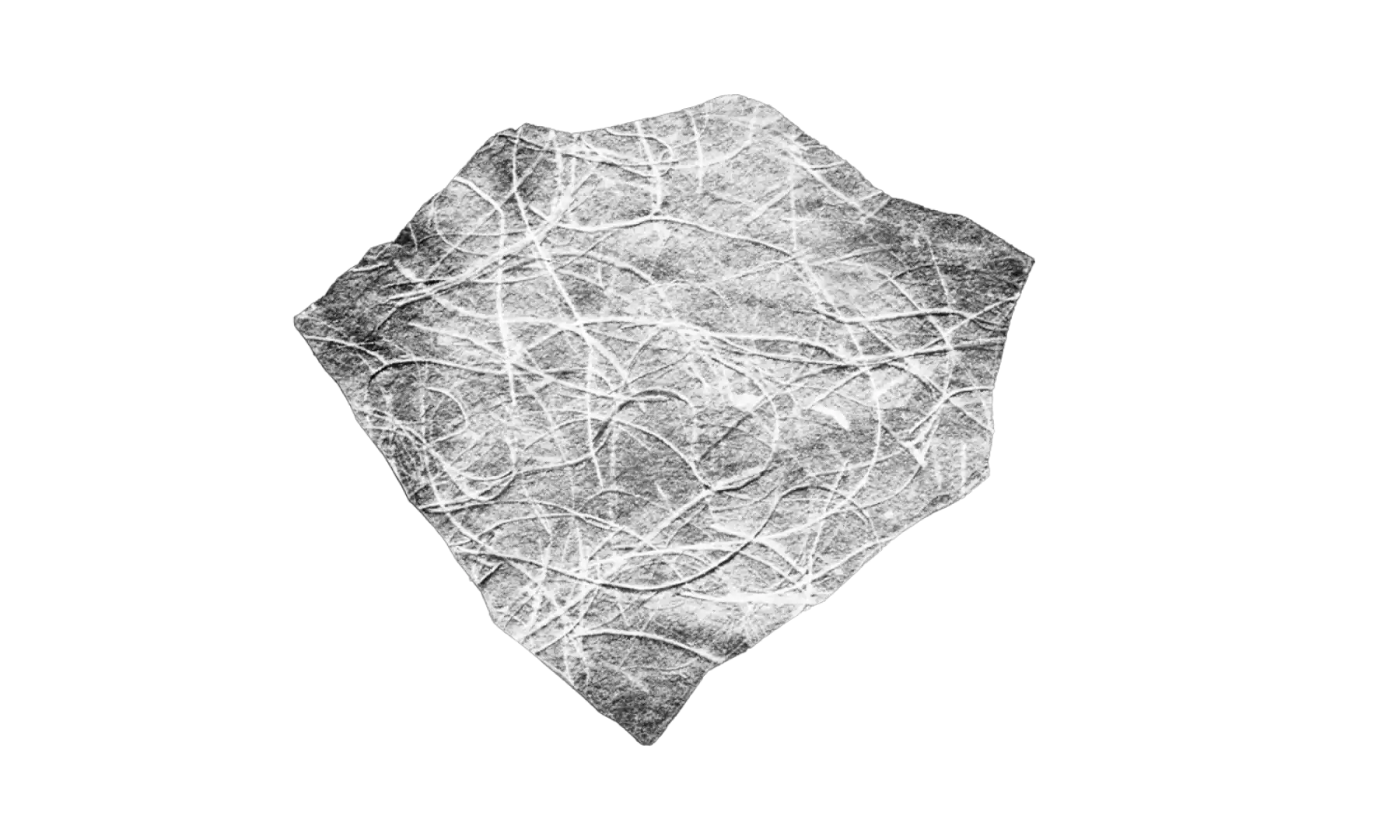
When most people picture Tsugaru-nuri, it's the 'Kara-nuri' style they envision. The 'shikake' for this technique involves a special lacquer called 'shibo-urushi,' made more viscous by adding ingredients like egg whites. An artisan scoops this lacquer with a 'shikake-bera'—a unique spatula with multiple holes in its tip—and dabs it onto the object's surface to create a dappled pattern. The exact shape of this spatula is said to be a closely guarded secret, varying between artisans and workshops and defining their signature styles. This textured base becomes the heart of the intricate, organic patterns that emerge during the final polishing.

Image courtesy of Tsugaru-nuri Tanaka
- Nanako-nuri: Tiny Rapeseeds Create a Ring Pattern Reminiscent of Komon Kimono
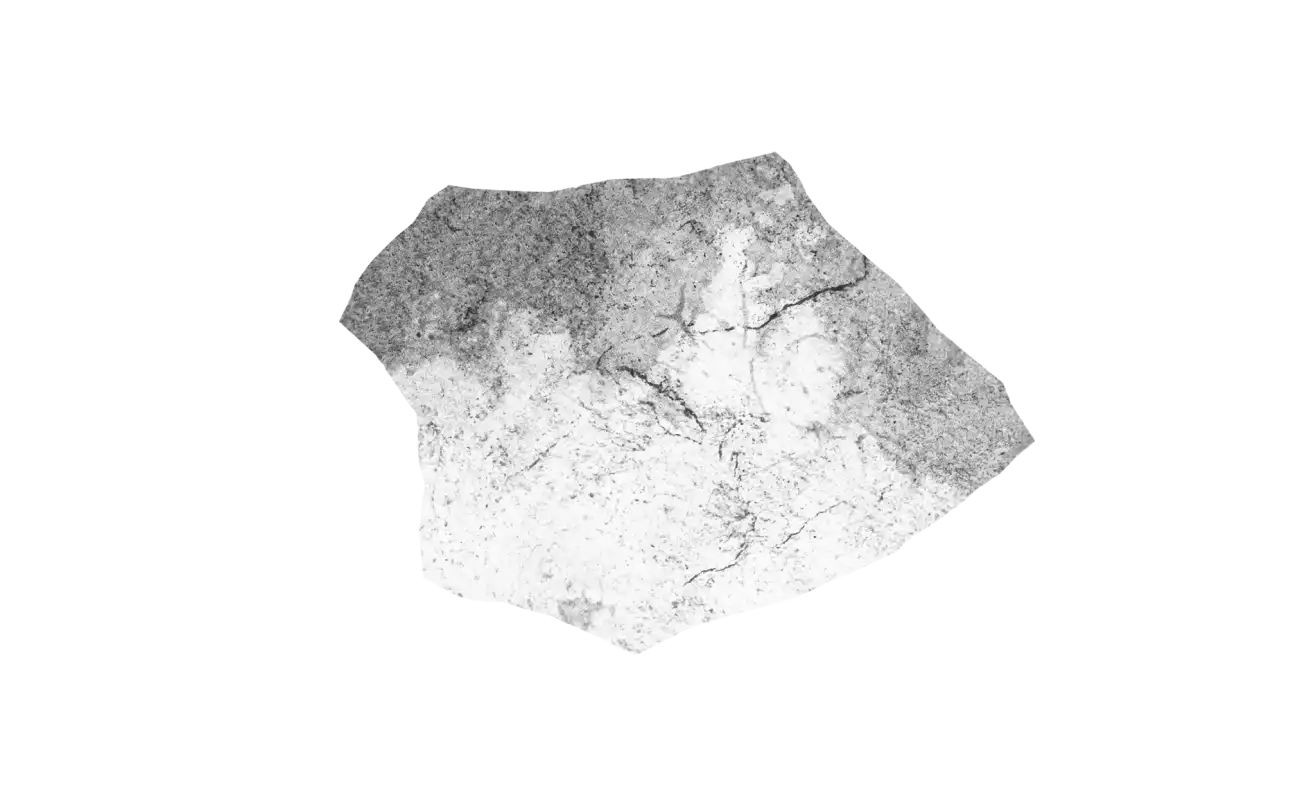
With its elegant and charming feel, Nanako-nuri uses a rather unexpected material to create its pattern: rapeseed. These seeds are sprinkled evenly over a wet lacquered surface. After the lacquer hardens, the seeds are peeled off, leaving tiny, ring-like bumps where they once lay. These bumps form the base of the design. Layers of different colored lacquer are then applied over these delicate bumps. When polished, a myriad of stylish ring patterns emerge, much like the fine patterns of an Edo Komon kimono.

Image courtesy of Tsugaru-nuri Tanaka
- Monsha-nuri: A Serene Contrast of Sheen from Rice Husk Charcoal
Monsha-nuri is a decidedly modern technique that creates beauty not through color, but through a contrast of textures. First, a raised pattern is painted onto the base coat using black lacquer and a brush. This forms the base of the design. Next, a thin layer of lacquer is applied over the entire surface, and charcoal powder made from burnt rice husks (momigara) is sprinkled on top. In the Tsugaru dialect, rice husks are called 'sha,' which is the origin of the technique's name. When polished, the raised parts of the pattern become a glossy black, while the other areas take on a matte black texture from the charcoal powder. This creates a unique effect where the pattern subtly emerges depending on the light.

Image courtesy of Tsugaru-nuri Tanaka
- Nishiki-nuri: The Pinnacle of Splendor, Combining Multiple Techniques
Of the four techniques, Nishiki-nuri is the most complex and demands the highest level of skill. It involves a complex process that combines several techniques. First, a base with the ring pattern is created using the Nanako-nuri process. Then, classical patterns like karakusa (arabesques) are drawn on top with black lacquer, and further embellishments are added with different colored lacquer. Finally, the entire piece is coated with vermilion or other lacquer and polished. This reveals brilliant classical patterns set against the Nanako-nuri background, creating a stunningly gorgeous finish reminiscent of Nishiki brocade, from which the technique gets its name.
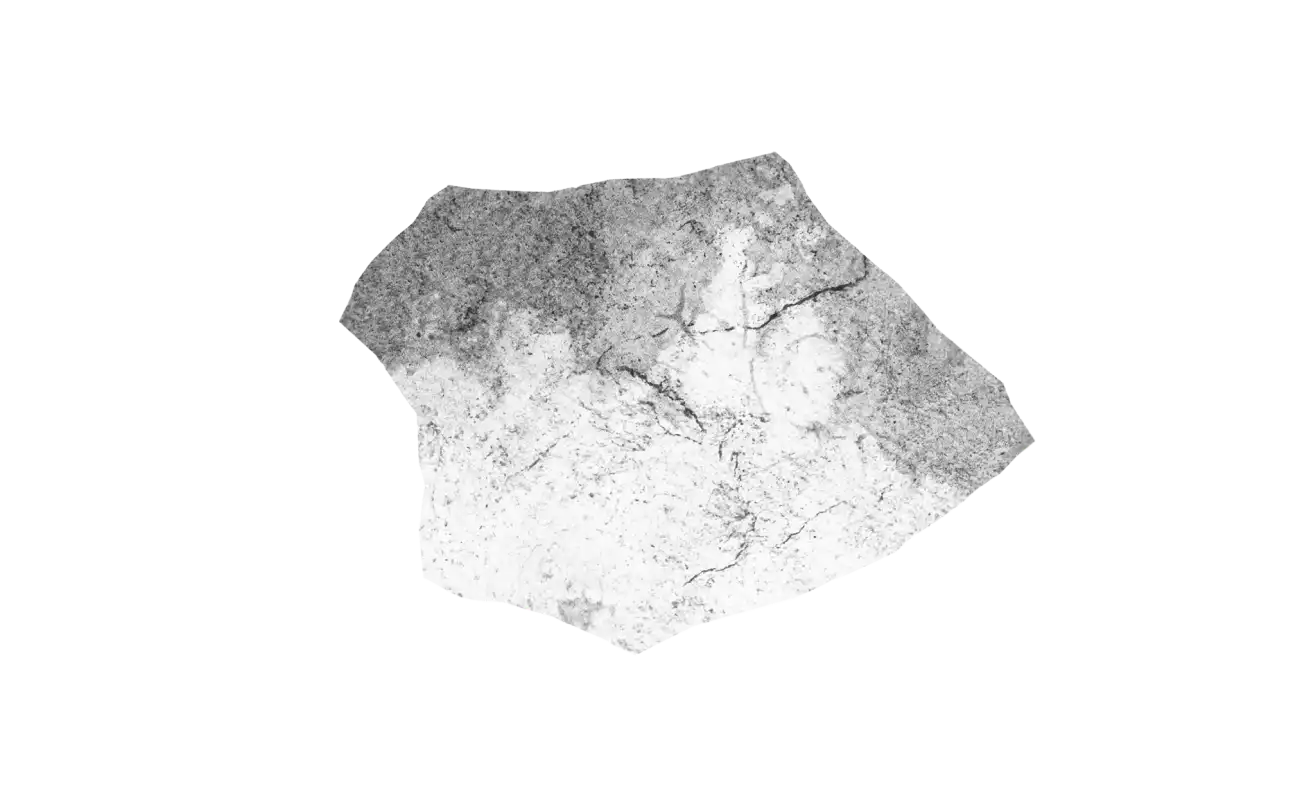

Image courtesy of Tsugaru-nuri Tanaka
Unearthing Beauty from Layers of Lacquer: The Final Chapter of Polishing and Buffing
Once the base of the design is set and the layers of lacquer are applied, it's time for the climactic stage. From here on, it's a process that demands patience and precision, as the artisan relies solely on the feel of their hands to bring the hidden beauty to the surface.
- Togidashi (Polishing)
After the layered lacquer has completely hardened, the surface is polished using whetstones of various grits, charcoal, and waterproof sandpaper. As the surface is gradually ground down and smoothed, the raised parts of the underlying pattern and the cross-sections of the layered colored lacquer are revealed, forming an intricate design. It's a tricky concept to grasp, but the artisan isn't painting a picture on the surface; they are 'excavating' beauty from within the material itself. If they polish too far, the pattern will disappear, and there are no do-overs. Knowing exactly when to stop polishing determines the final beauty of the piece and is a true testament to the artisan's skill.
- Tsuyadashi (Buffing)
Once the pattern has been fully revealed through polishing, the final buffing stage begins to bring out the gloss. Using finer abrasives and compounds, the piece is carefully polished by hand or with special tools. In one workshop, we even saw them using a machine called a buff, similar to those used in metalworking, to polish the piece with layers of cloth. This process creates the deep, beautiful luster characteristic of Tsugaru-nuri, a sheen that seems to radiate from within.

Image courtesy of Tsugaru-nuri Tanaka
Observing the production process of Tsugaru-nuri, what struck me most was how the immense, seemingly inefficient, almost 'foolishly honest' amount of labor results in the ultimate form of practicality: a durability that allows these items to be used for decades. The forty-plus steps from the base coat to the final finish are not just for creating a beautiful pattern.
Perhaps it is the very embodiment of the pursuit of functional beauty, infused with the local spirit of valuing sturdy, long-lasting objects that can withstand a harsh natural environment. Knowing this background will surely make you cherish any piece of Tsugaru-nuri you hold in your hands even more.

