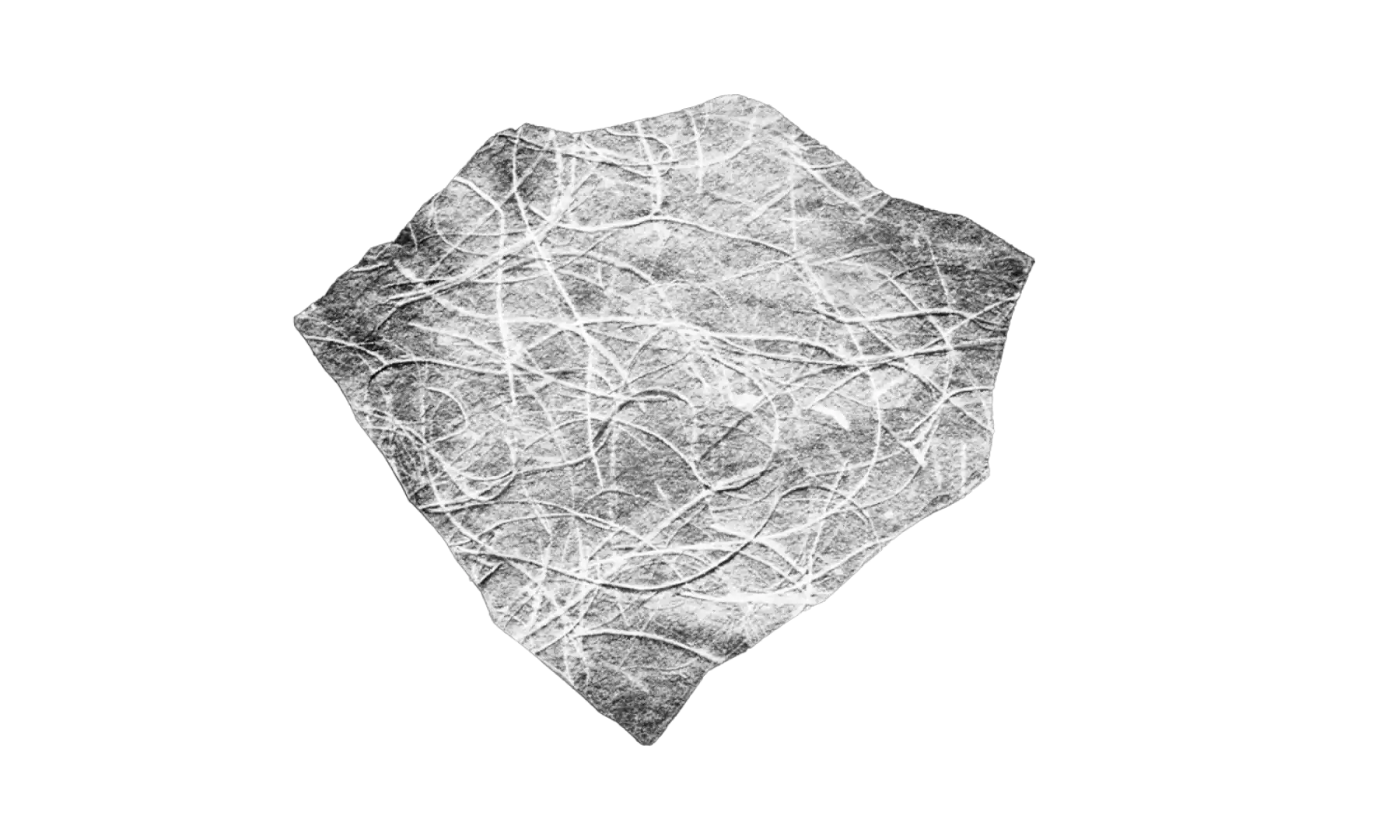


When one pictures Tsugaru-nuri, its deep hues and mesmerizing, unique patterns often come to mind. But what might surprise you is that there isn't just one design. Each pattern is steeped in the artisan's profound aesthetic and carries historical significance. What I found most fascinating during my research was the sheer diversity of designs within this single craft—from bold and modern expressions to utterly charming ones.
This article will explore the characteristics and underlying aesthetics of the four main designs of Tsugaru-nuri, a traditional craft that is the pride of Aomori. These are known as the 'four great techniques.' By the end of this journey, you'll surely discover a special Tsugaru-nuri design that speaks directly to you.
Which Design Is Your Style? 3 Key Factors for Choosing Tsugaru-nuri
To help you navigate the rich variety of Tsugaru-nuri designs and find the one that's right for you, let's consider three key factors. First, the 'impression' of each pattern. Second, its 'historical context.' And third, the 'level of difficulty' in its creation. Grasping these points will allow you to appreciate not only the surface beauty but also the deeper narrative and value embedded in each design.
For instance, some patterns are defined by the accidental beauty that emerges from the artisan's hand, creating a bold and substantial impression. Others convey a chic and refined elegance through the repetition of orderly motifs. You'll also find strikingly modern and tranquil designs that achieve beauty through contrasting textures instead of colors, alongside splendid, ornate creations that blend multiple techniques. What materials, processes, and aesthetic philosophies give birth to these differences? Starting in the next section, we'll dive into the four main techniques.

1. Kara-nuri: Bold and Unique Patterns Born of Chance
For many, Kara-nuri is the quintessential image of Tsugaru-nuri. Its mottled pattern of intricately interwoven colors resembles the cross-section of a polished stone or a swirl of passing clouds. The fact that no two patterns are ever identical is Kara-nuri's greatest charm; each piece is a unique creation born from chance.
The pattern is brought to life with a special tool called a shikake-bera, a custom-made spatula. The artisan uses it to dab the surface with lacquer thickened with egg whites, planting the 'seeds' of a textured, speckled pattern. Next, numerous layers of different colored lacquer are applied. Finally, the surface is polished smooth, revealing the layers of color like tree rings encircling the original specks. The entire process involves over forty steps and can take more than two months, making it the very symbol of 'Baka-nuri' (fool's lacquerware)—a nickname that speaks to the incredible time and dedication poured into the craft.
The 'Kara' in its name doesn't signify Chinese origin. Instead, much like how high-quality imported goods of the era were called 'Kara-mono,' the name embodies the artisans' pride and confidence in creating the 'highest-grade lacquerware.'
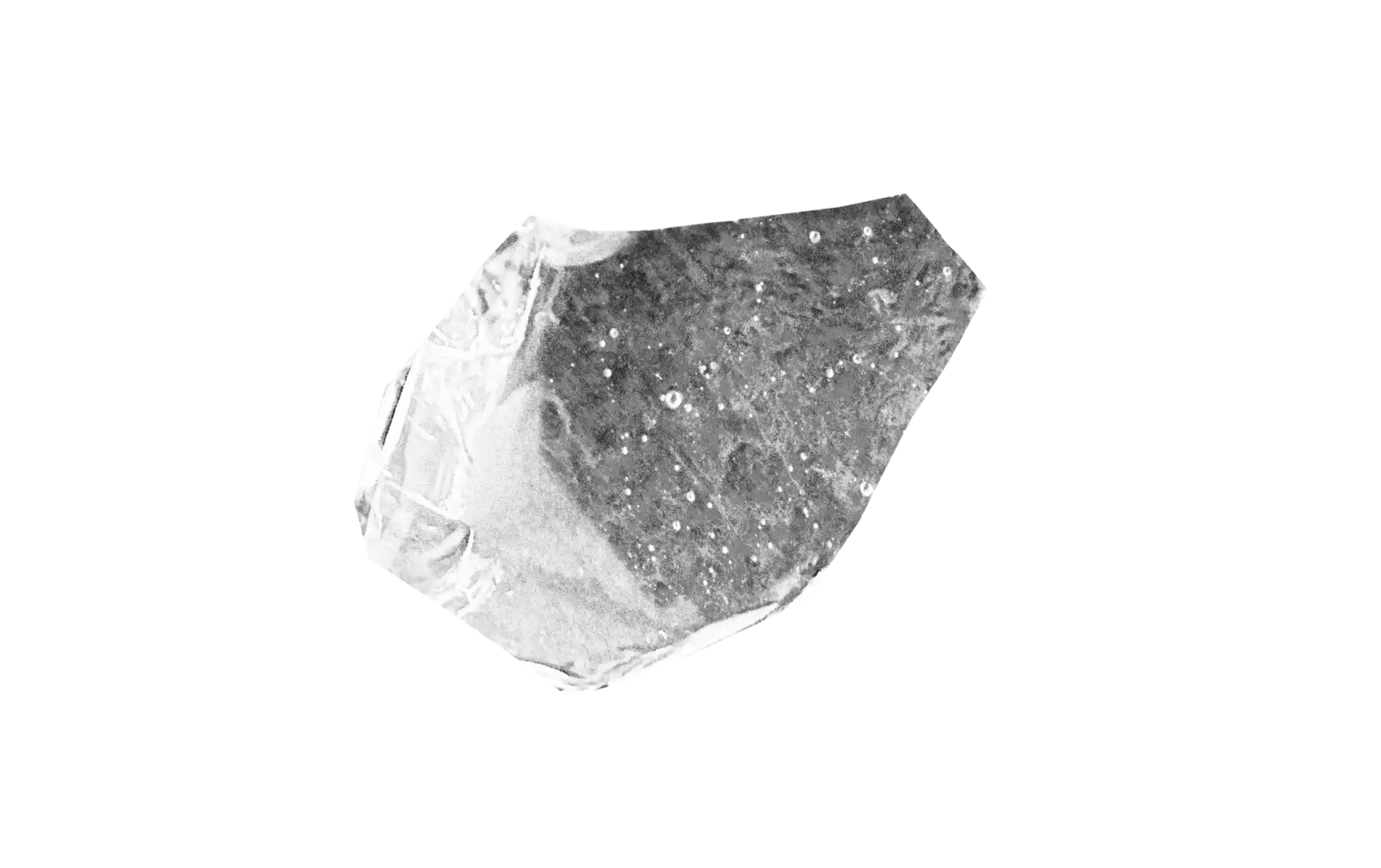

2. Nanako-nuri: Elegant and Charming Rings of Prosperity
In sharp contrast to the bold feel of Kara-nuri, Nanako-nuri creates an elegant and charming impression with its orderly array of tiny rings. The regular pattern shares an aesthetic with the komon (fine-patterned textiles) seen on the kamishimo (formal samurai wear) of the Edo period, and is often praised for its iki (effortless chic).
This intricate pattern is crafted using rapeseeds. The seeds are sprinkled evenly over the still-wet lacquered surface. Once the lacquer has hardened, the seeds are removed, leaving behind small, ring-shaped protrusions. A base coat of lacquer is then applied over the top and polished away, allowing the komon-like pattern to emerge. It is a highly advanced technique that requires an incredibly delicate touch to polish the surface without damaging the fragile rings.
The name 'Nanako' originates from the pattern's resemblance to clusters of fish roe (also called nanako). Fish, laying many eggs at once, are a symbol of fertility and prosperity. Therefore, the pattern carries an auspicious meaning, representing a wish for the owner's family to flourish. With this story in mind, each delightful little ring takes on an even more special significance.

3. Monsha-nuri: Subdued and Modern Patterns Revealed Through the Texture of Black
Rather than vibrant colors, Monsha-nuri pursues beauty through the textural contrast between glossy black and matte black. The way the pattern subtly emerges depending on the light gives it a sophisticated feel, perfectly described as 'shibui'—a Japanese term for refined, understated coolness.
The technique begins with painting a raised pattern in thick black lacquer over a base coat. Next, a thin layer of lacquer is applied to the entire surface, followed by sprinkling a powder of charcoal made from burnt rice husks. When carefully polished, the patterned areas turn a glossy black, while the rest becomes a matte black from the charcoal powder. This difference in texture alone is what creates the design. In the local Tsugaru dialect, these rice husks are called 'sha,' which gives the technique its name.
This distinctive technique, unique to Tsugaru-nuri and rarely found elsewhere in Japan, has a remarkably modern feel. By stripping away flashy ornamentation, its beauty lies in the infinite gradations found within its monochrome palette. It blends seamlessly into contemporary, minimalist spaces and possesses a profound quality that captivates the viewer's imagination.

4. Nishiki-nuri: The Pinnacle of Rarity and Splendor
Among the four major Tsugaru-nuri techniques, Nishiki-nuri is the most intricate, decorative, and dazzlingly brilliant. True to its name, which means 'brocade,' its distinguished designs are reminiscent of high-end 'nishiki' silk fabrics.
The creation of Nishiki-nuri starts by forming a base of circular patterns using the Nanako-nuri process. Over this, classical motifs like 'karakusa' (scrolling vines) are painted in black lacquer, followed by shading with green lacquer. Finally, a vermilion lacquer mixed with tin powder is applied over the entire piece. When polished, the classical patterns emerge vibrantly against the Nanako-nuri backdrop.
This technique demands a high level of skill in both Nanako-nuri and brushwork reminiscent of 'maki-e' (a method of decorating with gold or silver powder sprinkled onto wet lacquer). Consequently, only a handful of artisans can produce Nishiki-nuri, making these pieces exceptionally rare and valuable. It is a testament to the creativity and passion of artisans who, aspiring to the gold and silver 'maki-e' once exclusive to the samurai class, used readily available materials to achieve the greatest possible splendor. It is a truly special masterpiece, perfect for celebrating momentous occasions.

New Expressions of Tsugaru-nuri: Born from Tradition
While the four major techniques form the core of Tsugaru-nuri design, this tradition is anything but static. Today’s artisans are reinterpreting traditional methods and philosophies to pioneer new forms of expression.
Designs to Be Enjoyed by Touch
Some pieces now feature designs that intentionally leave the uneven, textured lacquer from the Kara-nuri process unpolished. This creates a craft that can be enjoyed not just by sight but also by touch, introducing a new dimension to its value.
'Translucent' Designs
Another new technique uses a special transparent lacquer that allows light to pass through, creating patterns that appear translucent like stained glass. This innovative expression, inspired by the lanterns of Aomori's 'Nebuta Festival,' is a beautiful fusion of local culture and traditional craftsmanship.
The four signature designs of Tsugaru-nuri each stem from distinct materials, techniques, and aesthetic principles. There's the powerful Kara-nuri, the chic and charming Nanako-nuri, the serene and modern Monsha-nuri, and the splendid Nishiki-nuri. By understanding the story behind each style, you can appreciate the depth and charm of every individual piece even more.


The design of the objects we use every day has a subtle but significant impact on our quality of life and sense of well-being. From the diverse array of Tsugaru-nuri styles, we invite you to find a piece that speaks to you—something you’ll want to cherish for years to come. By doing so, you are bringing into your daily life a piece of northern Japan's aesthetic, a tradition passed down for over 300 years.

