
Ever wonder about the story behind a single handcrafted object before it finds its way to you? The mystery deepens when that object is carved from solid stone. Wakasa agate crafting, a treasured tradition from Obama City in Fukui Prefecture, is a stunning example. This traditional craft is celebrated for its deep, gorgeous red hues, which look as if a flame is trapped inside the stone.
But this captivating glow isn't something the raw stone is born with. It's brought to life through the artisan's wisdom, experience, and a series of incredibly time-consuming steps.
In this article, we'll take you on a step-by-step journey through all seven stages of its creation, revealing how a simple stone is reborn as a work of art. By exploring the technical skill and the challenges artisans navigate, you'll discover a newfound appreciation for the profound value locked within each piece of Wakasa agate.
It All Starts with a Dialogue with Stone: The "Kenseki" Inspection of Raw Stones
The creation of Wakasa agate crafts begins with a process called *kenseki* (stone inspection). This is not merely a task of selecting materials; it's a crucial stage, a silent dialogue with the stone that seals the fate of the final piece.
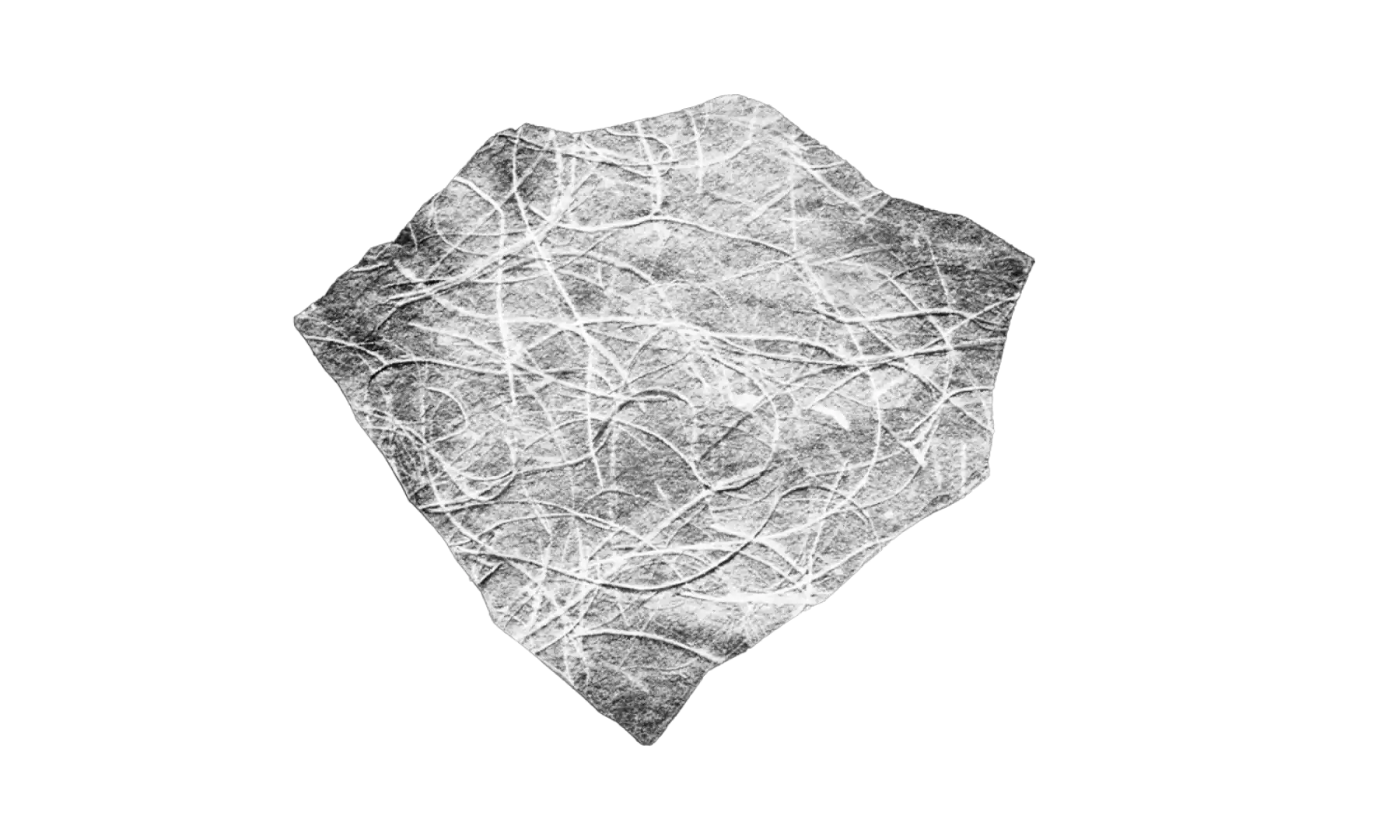
The artisan takes each raw agate stone in hand, carefully observing its color and the flow of its striped patterns. But it's not just the surface beauty that matters. By holding it up to the light or wetting it with water, they check for hidden internal cracks or unseen voids. If any flaws are present, the stone could easily fracture later when heat or pressure is applied.
Through this inspection, the unique personality and potential of each stone are revealed. For example, a high-quality, uniform stone with no internal flaws is set aside for ornamental pieces that will be transformed with intricate carvings of animals and other figures.
On the other hand, stones with distinctive striped patterns are designated for accessories, where the pattern itself becomes the star of the show. The artisan's years of experience and keen eye are the first key to unlocking the stone's hidden promise.
Forging the Foundation: The Patient and Time-Intensive Art of "Ogiri"
Based on the purpose determined during the *kenseki* inspection, the work on the raw stone finally begins. *Ogiri* (rough cutting) is the process of slicing the hard agate stone down to the approximate size of the final artwork.
Let's get a little technical. Mineral hardness is measured on the Mohs scale. While a steel knife has a hardness of about 5.5, agate clocks in at a very high hardness of 7.
Therefore, even with specialized cutting machines, this task demands immense time and effort. Unlike cutting soft wood, accurately and efficiently slicing through hard stone demands methodical, patient work. The block of stone carved out here becomes the blank canvas, ready to embark on a long journey to become a finished masterpiece.

Preparing for a Beautiful Red: "Nozarashi," Entrusting to the Power of Nature
Once a stone is roughly cut, it doesn't immediately move on to the next processing stage. Instead, it undergoes "nozarashi," a unique process specific to Wakasa agate craftsmanship.
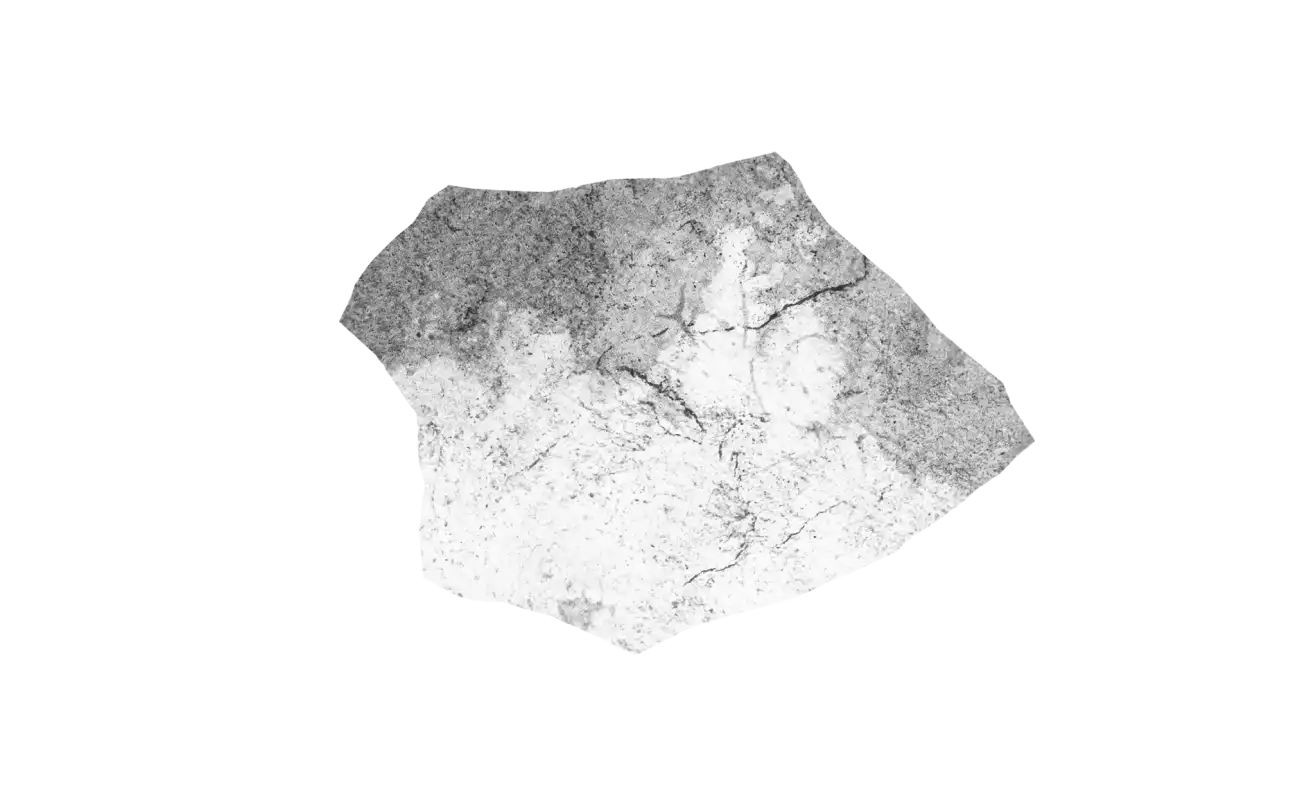
For several months, sometimes even over a year, the cut stones are left outdoors, literally exposed to the wind and rain. This isn't for some sentimental reason, like letting the stone "rest." It's a crucial chemical pre-treatment based on scientific principles.
Agate stones contain trace amounts of iron. The purpose of this stage is to slowly and gently oxidize this iron by exposing it to the air and moisture over a long period.
This imperceptible oxidation creates the chemical foundation necessary for the subsequent "yaki-ire" (firing) process to produce that fiery red hue. It’s a quiet time of surrender to the rhythm of nature, without rushing or impatience, yet this period is a critical setup for the dramatic transformation to come. The rationality and grand scale of intentionally harnessing nature's power for the man-made goal of beautiful coloration is simply astounding.
The Heart of Wakasa Agate Craft: "Yaki-ire," a Process That Creates the Color of Fire
Among all the steps, "yaki-ire" (firing) is the most iconic process in Wakasa agate craftsmanship, ultimately defining the piece's value. This is the very heart of the craft, where heat is applied to the weathered stones, dramatically transforming them from gray or brown into a stunning, vivid red.
The stones are buried in ash and slowly heated over several days—traditionally with charcoal, but now often in electric kilns. The kiln's interior is maintained at 200°C to 300°C. At this temperature, the iron that was oxidized during the weathering stage undergoes a chemical reaction, transforming the entire stone into a brilliant, fiery red.
However, this process is incredibly high-risk. Temperature control is extremely delicate. If the temperature is even slightly too high, the stone can't withstand the internal pressure and will shatter from thermal shock. On the other hand, if the temperature is too low or the heating time is too short, the desired brilliant, translucent red won't emerge, resulting in a dull, muddy color instead.
A stone that has been carefully prepared for months, or even years, can be ruined in an instant by a single misjudgment. This is arguably the most difficult—and therefore the most crucial—stage, one that relies solely on the artisan's years of experience and an "intuition" that words can't fully capture.

The Quintessential Skills of Carving: "Kakikomi" and "Kezuri"
After the firing process gives the stone its beautiful red color, it's finally time to give it a specific shape. This is where the true essence of the artisan's carving skills comes into play.
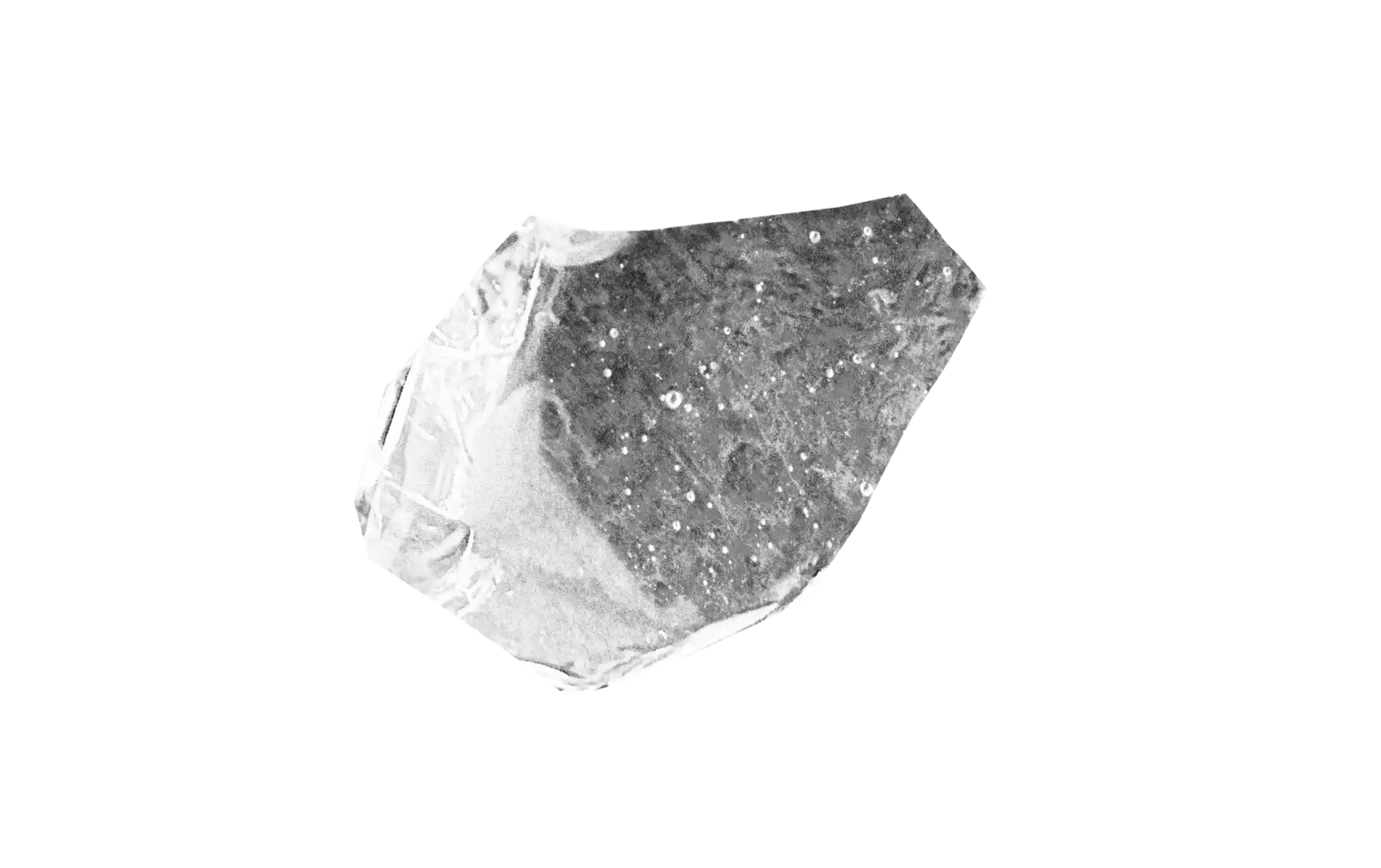
First, after a rough design is sketched onto the stone, a process called "kakikomi" (chipping) begins. This involves placing a nail-like chisel called a "tetsuya" against the stone and carefully tapping it with a small mallet to chip away unnecessary parts. Hitting it with brute force would simply shatter the stone. This demanding technique requires the artisan to read the stone's properties and the flow of its grain, carving out the shape bit by bit with an exquisite control of force.
Once the piece has been roughly shaped through chipping, it moves to the "kezuri" (grinding) stage. Here, an iron disk called a "tetsu-goma," attached to a lathe ("rokuro"), is spun at high speed. The artisan grinds the stone against the disk while applying an abrasive sand mixed with water. This is done in stages: first "arakezuri" (rough grinding) with coarse sand, then "chuzuna" (medium grinding) with medium-fine sand, and finally "shiage-kezuri" (finish grinding) with fine sand.
In the world of Wakasa agate artisans, it's said that apprentices begin by endlessly polishing their master's creations. Through this repetition, they learn the shapes of the model pieces not from blueprints, but through the "feel of their hands." This fact alone shows just how intuitive and skill-intensive the grinding process is. It's only after this painstaking work that minute details, like a single carp scale or a single chicken feather, slowly begin to emerge.

Polishing: The Final, Most Patience-Testing Stage to Breathe Life into the Stone
Once all the carving is complete, the piece enters the final finishing stage: 'polishing' (migaki). This is one of the most time-consuming and patience-testing tasks, a crucial step that breathes a vibrant brilliance into the piece.
First, the surface is thoroughly smoothed out using 'doro-migaki' (mud polishing), which employs extremely fine-grained sand. Afterward, specialized polishing compounds like chromium oxide are applied to paulownia wood tops and rods, and the piece is meticulously polished by hand.
The goal is to completely erase even the most microscopic scratches (known as suname, or sand marks) and to draw out the stone's inner light to its absolute maximum. For intricately shaped pieces, it's not uncommon for this polishing process alone to take over a month.
Even at this final stage, the risk of failure is ever-present. The frictional heat generated during polishing creates a constant danger of the piece cracking or breaking. The artisan must proceed with extreme caution, constantly cooling the piece with water right up to the final moment.
Only after this meticulous and nerve-wracking polishing process does the stone transform from a simple, hard object into a 'gem' radiating a captivating transparency and a lush, dewy luster.

From stone inspection to the final polish, it takes months, sometimes over a year, to bring a single piece of Wakasa Agate craft to life. Its brilliance is more than just surface-level beauty. It is the very crystallization of the time an artisan has spent listening to the stone's voice, engaging in a dialogue with the flames, and overcoming countless risks. This miniature work of art quietly reminds us of the true value of craftsmanship—a value that cannot be measured by efficiency or speed alone.

