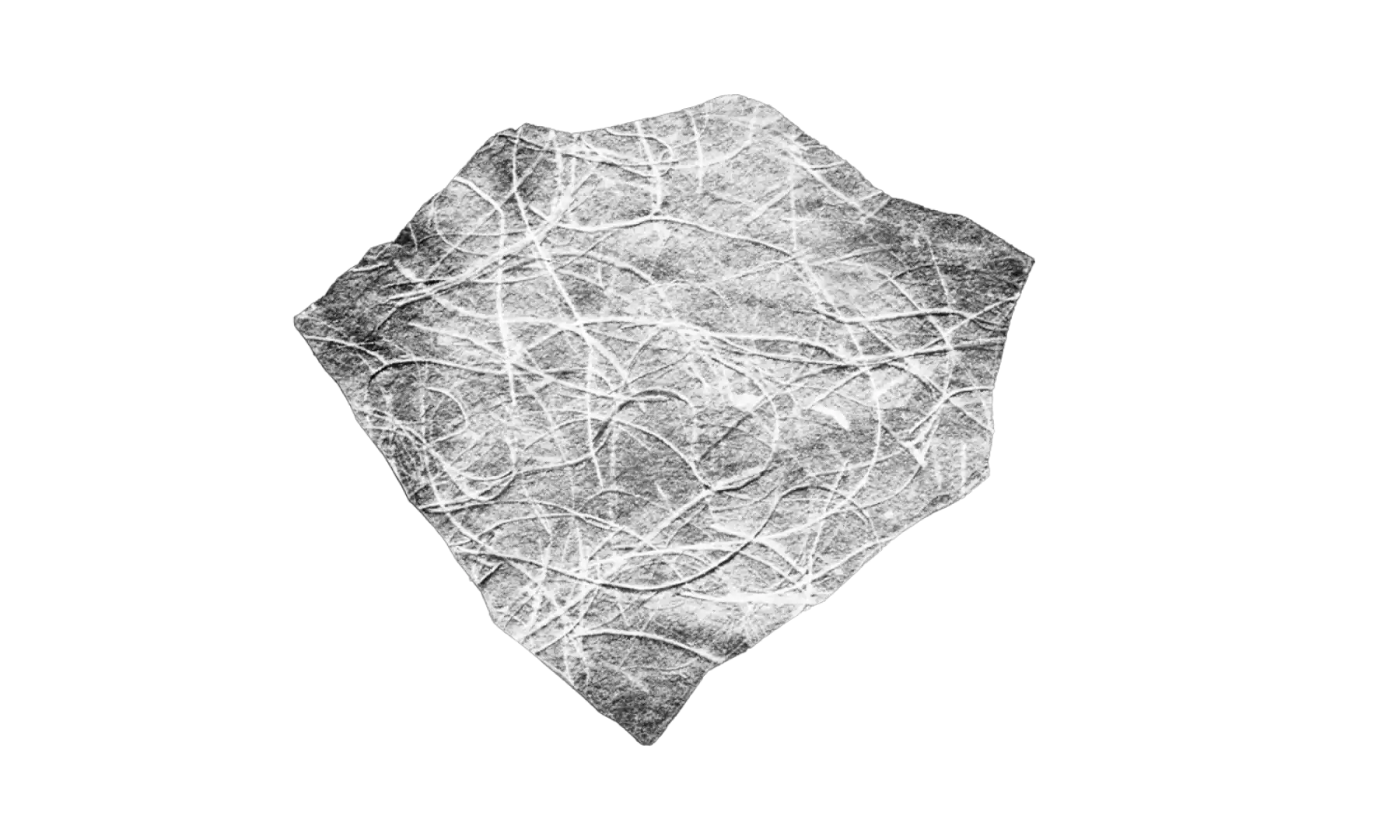


When you first lay eyes on Wakasa agate craft, it’s hard not to be captivated by its deep, mesmerizing red hues. It's a mystical glow, almost as if a blazing fire has been sealed within the stone.
In exploring this craft, one constantly wonders about the source of its powerful presence. It possesses a force that speaks to our deepest sensibilities, something that can’t be summed up with a simple 'it's beautiful.' Its secret lies not in the surface-level design of its colors and shapes, but in the rich stories and philosophy hidden within.
In this article, we’ll carefully unravel the traditional meanings and aesthetics woven into the designs of Wakasa agate craft. Why this particular shade of 'red'? Why are motifs like 'carp' and 'roosters' so favored? We'll also explore the fascinating aspect unique to this craft: how designs emerge from more than just the artisan's intent. Understanding this background will transform the way you see each piece, allowing you to appreciate its value on a much deeper level.
The Multi-Layered Meaning of Its Fiery 'Red'
When it comes to the design of Wakasa agate craft, its signature 'red' is impossible to ignore. This distinctive crimson is not the stone's natural color. Instead, it’s artificially drawn out by artisans through a special process called yaki-ire (firing), which involves heating the stone for several days. This red holds multiple, overlapping layers of meaning rooted in Japan's cultural and religious context.
A Symbol of Sanctity in the Buddhist World
It's particularly fascinating that the primary material, agate (menou), is a gemstone with special significance in Buddhism. In Buddhist scriptures, it’s listed as one of the 'Seven Treasures' (shippo), which are said to adorn the Pure Land of Paradise, alongside gold, silver, and lapis lazuli (ruri).
Therefore, the brilliant red of Wakasa agate craft is seen as more than just a beautiful color; it's a symbol of the purity and majesty of a sacred realm. Holding a piece in your hands was believed to be a way of connecting with a part of this Buddhist ideal, bestowing it with spiritual value. This background is a major reason why Wakasa agate craft possesses a dignity far beyond that of a simple ornament and a mystique that continues to captivate people.
A Sign of Vitality and Protection in Japanese Culture
At the same time, this red hue also carries a symbolism deeply rooted in traditional Japanese culture at large. In Japan, red has long been treated as a vital color symbolizing life force, passion, and protection against evil spirits.
For instance, the torii gates at Shinto shrines are painted red to mark the entrance to a sacred domain and to act as a barrier that repels misfortune. Similarly, as seen in the red-and-white kohaku maku curtains used during celebrations, red is a special color reserved for auspicious, or hare, occasions.
The brilliant red of Wakasa agate craft deeply resonates with this cultural context. As a result, it has historically been a highly popular gift for celebrating major life milestones like weddings and new homes. This reflects a universal human desire: to give a meaningful gift for a truly special moment.

Two Traditional Motifs That Bring Good Fortune
The Meiji era ushered in sophisticated sculpting techniques to Wakasa agate craft, which had previously centered on bead making. This evolution led to the creation of three-dimensional figurines with a variety of motifs.
Among these, two animals in particular, the "carp" and the "rooster," were especially favored and became signature designs of Wakasa agate craft. This was no coincidence; it was rooted in the powerful good fortune, or auspicious symbolism, that each creature represents.
1. The Carp: A Wish for Success and Advancement
In East Asian cultures, the carp is a symbol of strength, perseverance, and, above all, success in life. This symbolism stems from a famous Chinese legend about a carp that transforms into a dragon after successfully swimming up a treacherous waterfall on the Yellow River known as the Dragon Gate.
From this legend, the phrase "carp climbing a waterfall" became a widely known metaphor for overcoming difficult obstacles to achieve success. Consequently, Wakasa agate figurines shaped like carp have been treasured as powerful good luck charms for those wishing for business success, exam success, or career advancement. Seeing one's own future reflected in the dynamic form of the carp is another aspect of the design's power in Wakasa agate craft.
2. The Rooster: Banishing Darkness and Summoning Light
The rooster, another representative motif, is also considered an exceptionally auspicious animal. The rooster is the bird that signals the end of the night's darkness and awakens the light of a new day. Its crow is believed to banish evil and herald the coming of prosperity.
This image is deeply connected to the Japanese myth of "Amanoiwato." When the sun goddess, Amaterasu Omikami, hid herself and plunged the world into darkness, it was the crowing of the Tokoyo-no-naganakidori (an ancient name for the rooster) that helped bring back the light. Because of this sacred role, the rooster became a cherished motif for good fortune, displayed with prayers for luck and family prosperity.

Designs Emerge from a "Dialogue" with the Stone
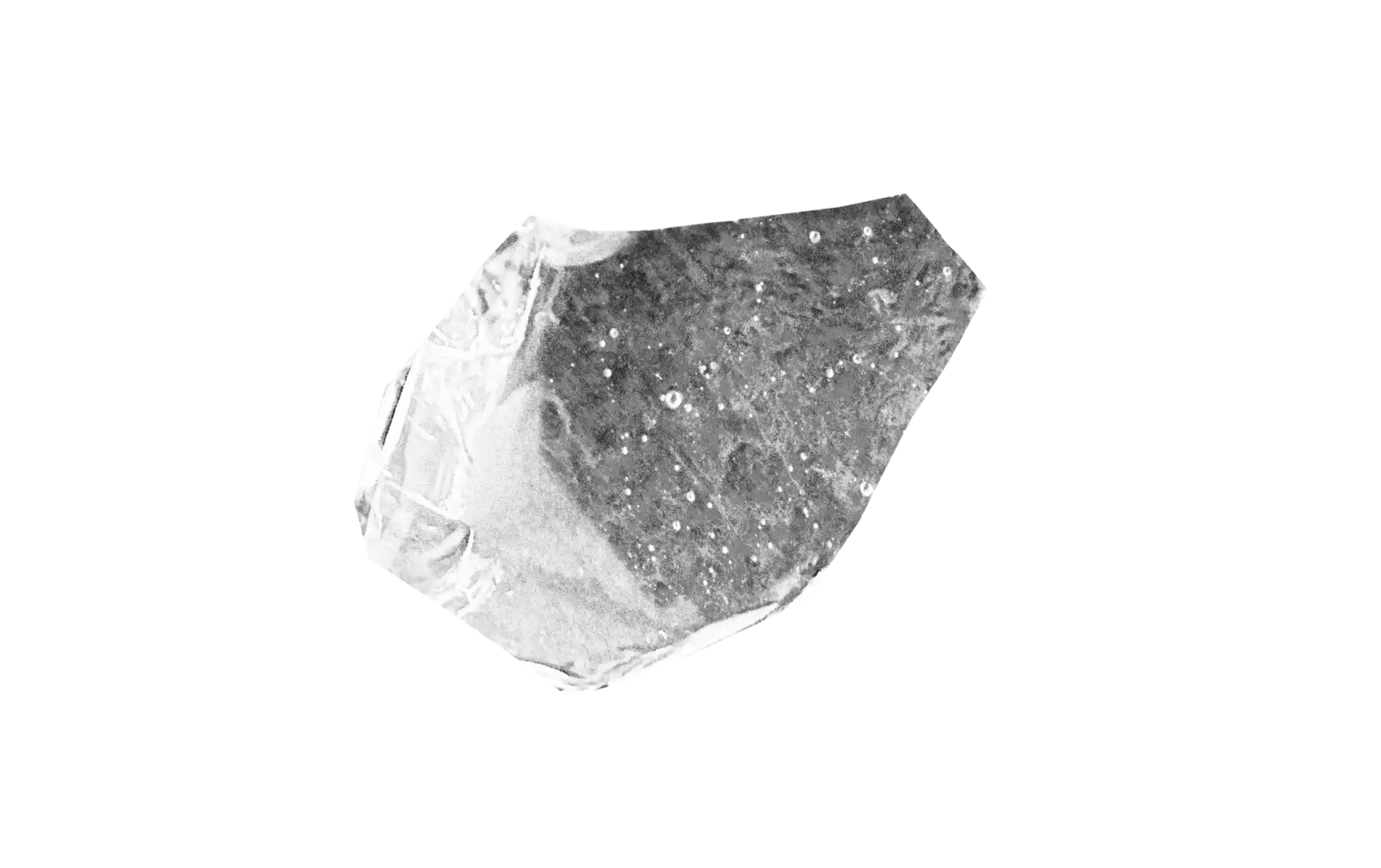
So far, we've explored the cultural meanings embedded in the colors and motifs. However, the most essential and fascinating aspect of Wakasa agate craft design lies in the fact that it is not unilaterally decided by the artisan's intent. Instead, artisans discover the form that is meant to be born from a "dialogue" with the stone itself.
Listening to the Stone's Voice: The Art of 'Mitate'
The creation of Wakasa agate craft doesn't start with a blueprint. First, the artisan takes the raw stone in hand, carefully observing its hues, the flow of its striped patterns, and the presence of any internal cracks. By listening to the stone's unique character—its "voice," so to speak—they perform 'mitate,' the act of envisioning what the stone should become.
For example, according to our interviews, an artisan might leverage the stone's patterns, seeing a cluster of red as a rooster's comb or a flowing pattern as its feathers. This isn't about imposing a design onto the stone, but rather an approach that draws out the inherent landscapes and stories the stone already holds to their fullest potential.
You could say the artisan's role is to carve out and polish the form that lies dormant within the stone. This philosophy of "not fighting the stone" is what gives Wakasa agate craft its harmony and authenticity, making it feel like a natural object despite being man-made.

A Process That Creates Irreproducible, One-of-a-Kind Pieces
This creative style, this "dialogue with the stone," means that every single piece of Wakasa agate craft is a one-of-a-kind creation that can never be replicated. This is because the raw material, agate, is a natural mineral; no two stones are identical in color, pattern, or internal structure.
The artisan must carve while avoiding unexpected internal cracks or cavities, or sometimes, by incorporating them into the design. The 'yaki-ire' (heating) process, a core part of the craft, is similarly unpredictable. The final colors and transparency emerge from the interaction between the heat and the specific mineral composition of each stone, making the outcome impossible to fully predict.
In other words, a single finished piece is not only a crystallization of the artisan's outstanding skill but also a unique existence. It is the collaborative result of the stone's personality, nurtured over the Earth's immense history, and the serendipity of the creation process.

Uncovering the Meaning Behind the Objects
Delving deeper into the design of Wakasa agate craft, you quickly realize it's about more than just stunning shapes and colors. Behind these designs lies a rich symbolism rooted in Buddhism and traditional Japanese culture, embodying people's heartfelt wishes for success in life and family prosperity. But what struck me the most was the discovery that the entire design process begins with a deep reverence for and a dialogue with nature itself, embodied in the stone.
The artisans are not just designers; they are also translators, listening to the voice of the stone. Adopting this perspective allows us to see these pieces not just as mere "objects," but as the crystallization of a "story" where culture, nature, and human craftsmanship intersect.

This idea can also be applied when we think about our own living spaces. The depth and character of a room can change dramatically depending on whether we can share the stories and meanings behind each object within it. I believe the design philosophy of Wakasa agate craft offers a wealth of inspiration for enriching the relationship between people and the objects they live with.

