
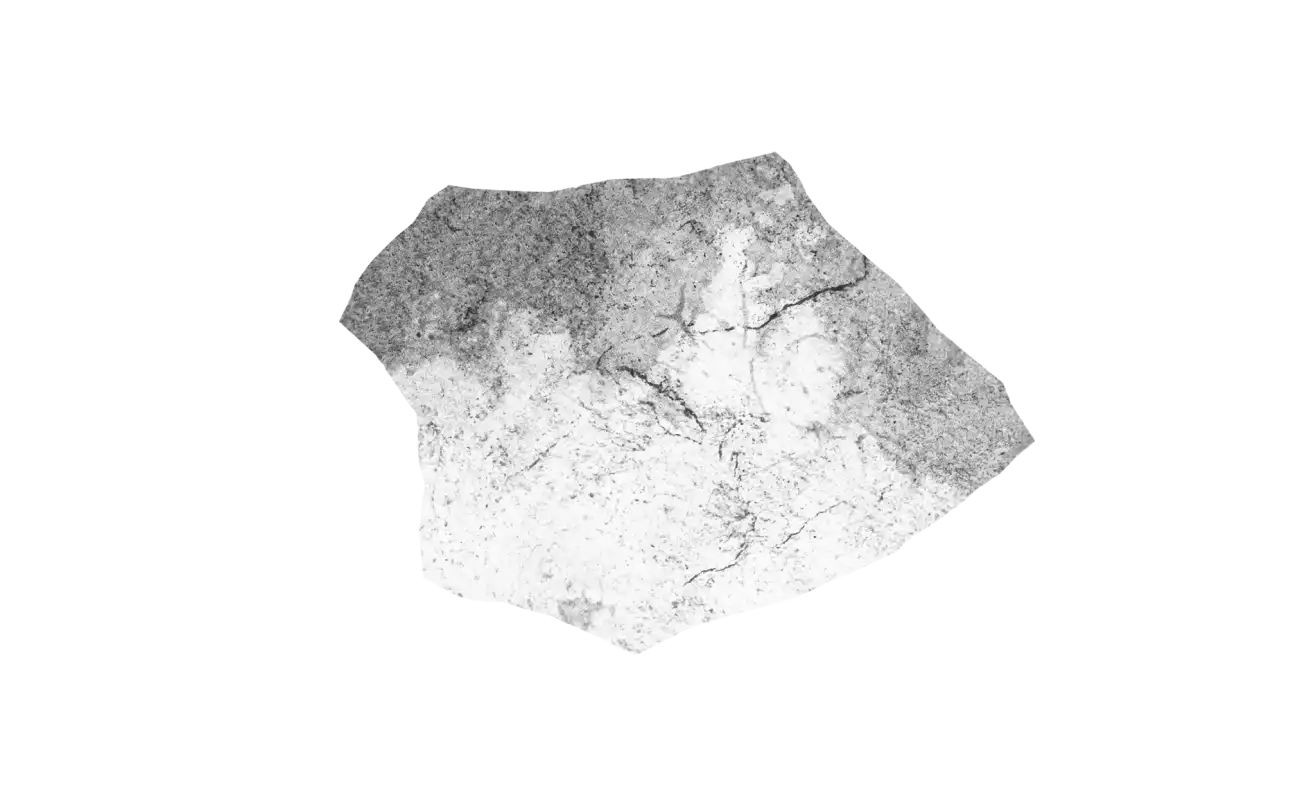

The deeper I delved into Wakasa agate craft, the more I noticed a subtle difference in the feel of the pieces depending on the era they were made. Tracing this back to its source revealed the story of "two types of agate" that profoundly shaped the history of this art form.
There's the legendary domestic agate and the modern imported agate. How did the difference between these materials drive the evolution of artisanal techniques and the inherent value of the craft itself? In this article, we'll explore the story of the material that forms the very soul of Wakasa agate craft.
The Soul of Wakasa Agate Craft: The True Nature of Agate
First, let's take a closer look at the material itself. The primary raw material for Wakasa agate craft is a mineral called agate. Agate is a type of mineral formed from a web-like aggregate of microscopic quartz crystals. Chemically, it's composed of silicon dioxide (SiO₂) and is characterized by its beautiful banded patterns.
As a material for crafts, agate has two key physical properties. The first is its "hardness." On the Mohs scale of mineral hardness, agate scores a 7. This is harder than a steel knife (Mohs hardness 5.5), which means it is extremely difficult to work with. Yet, this very hardness is what allows it to hold a deep, permanent luster once perfectly polished.
The second key property is that it's "porous," containing countless microscopic pores invisible to the naked eye. This quality is precisely what allows heat to penetrate deep inside the stone during the "yaki-ire" (firing) process—a signature technique of Wakasa agate craft—enabling its color to change dramatically. It is hard, yet it holds the capacity for transformation within. This duality is what makes agate such a fascinating material and provides the foundation that expands the possibilities of the craft.

The Two Agates That Define the Texture
A deep dive into the long history of Wakasa agate craft reveals two primary sources for its key material: agate from Hokkaido, which was primarily used in the past, and agate from Brazil, which is the standard today. But this is more than just a change in geography. The distinct properties of these two stones have fundamentally shaped the character of the final artwork and the very techniques of the artisans.
The Star of a Bygone Era: The Elusive 'Hokkaido Agate' with a Natural Red Hue
During the craft's heyday, from the Meiji era to the early Showa period, Wakasa artisans prized agate mined in Hokkaido as their ideal material. They valued it so much that they collectively set up their own mining bases in Hokkaido to ensure a stable supply of high-quality raw stone.
The most striking feature of Hokkaido agate is that it possessed a natural red or orange hue even in its raw form—a quality thought to be the result of geothermal heat. In interviews, artisans describe this stone as having a unique, 'soft' character, reminiscent of Japanese skin. Because of this, the 'yaki-ire' (firing) process wasn’t about creating color from a colorless stone. Instead, its purpose was to enhance and accentuate the beautiful red the stone already possessed. Sadly, resources of this fine domestic agate were gradually exhausted due to factors like over-harvesting, and today it’s nearly impossible to find. It is, in every sense, the 'legendary material' that fueled the golden age of Wakasa agate craft.
The 'Brazilian Agate' That Fuels Modern Alchemy
As Hokkaido agate became harder to come by, imported agate from Brazil took center stage in modern Wakasa agate craft. Brazilian agate offers a major advantage: its vast reserves ensure a stable and reliable supply.
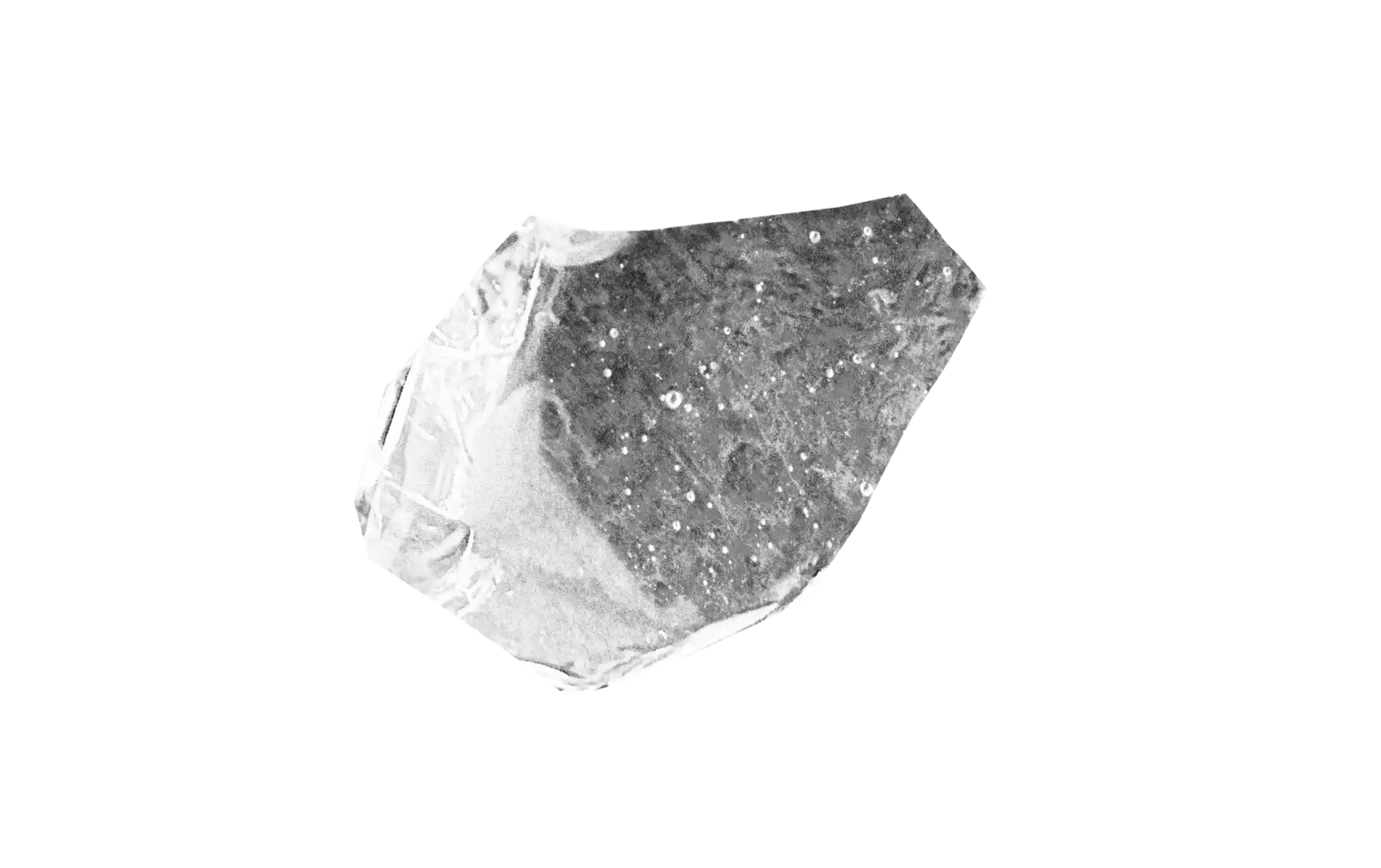
However, its qualities are dramatically different from Hokkaido agate. Most raw Brazilian agate is a rather unassuming gray. This is where the artisan’s skill truly shines. By applying the 'yaki-ire' firing technique to this plain stone, artisans trigger a chemical reaction in the iron particles within, 'creating' that vibrant, fiery red. According to the artisans, pieces made with Brazilian stone have a sharper, more 'defined' look compared to those from Hokkaido. It’s a perfect illustration of how the role—and value—of an artisan's technique has evolved in response to the material itself.

A Shift in Materials, An Evolution in Skill and Value
From Hokkaido to Brazil. This transition in materials was far more than a simple logistical switch. It was a pivotal moment that forced a re-evaluation of the craft's core identity and served as a catalyst, elevating its techniques and perceived value to an entirely new level.
One of the most fascinating discoveries in this research is how the switch in materials dramatically redefined the role of the traditional 'yaki-ire' firing technique. In the age of Hokkaido agate, which was already naturally red, 'yaki-ire' was a method of 'enhancement' or 'finishing'—a way to amplify the stone's inherent qualities. But in the modern era, where drab Brazilian agate is the norm, the significance of 'yaki-ire' has skyrocketed. It has become an indispensable, alchemical process for 'creating' a brilliant, captivating red from an otherwise unremarkable stone.
So, how did this transformation affect the core value of Wakasa agate craft? It caused a fundamental shift: from the 'rarity of the material itself' to the 'rarity of the artisan’s skill.' The constraint—or crisis—of no longer having easy access to high-quality domestic stone ironically pushed artisans to hone their techniques and maximize the potential of what was available. Overcoming a material's limitations with human wisdom and skill to create new value... isn't this the very archetype of innovation seen in countless creative industries?
Ultimately, the value of modern Wakasa agate craft can’t be explained by simply saying it uses a beautiful stone. Its worth is embedded in the artisans' inherited wisdom, experience, and extraordinary skill—the ability to transform an ordinary-colored stone into an unparalleled piece of art. The deep, vibrant red of a contemporary work is the brilliant result of human creativity triumphing over a historical crisis of material scarcity.

The Essence of Craft as Seen Through the Lens of Materials
Viewing Wakasa agate craft through the lens of its "materials" offers a fresh perspective on the multifaceted value of a single artisanal object. Its texture is far from uniform; it has distinctly varied with the origin and properties of the agate used in different eras. Consider the "natural softness" of agate once sourced from Hokkaido versus the "sharpness born from technique" based on modern Brazilian agate. This isn't about which is better. Instead, the rich history itself—of artisans in each era working with the best materials they could find and honing their techniques to achieve the ultimate expression—reveals the profound depth of this craft.
What's particularly striking is how the challenge of resource depletion propelled the artisans' skills to new heights, shifting the craft's core value from the "material" to the "technique." This offers a profound insight for anyone involved in the world of making things. Limitations are not the end of creativity; they can be a powerful catalyst for sparking new innovation. The material narrative of Wakasa agate craft quietly yet powerfully conveys this universal truth.


