
Hiroshima
Jiro Naeshiro
Jiro Naeshiro, Chairman of Miki Embroidery Crafts Co., Ltd. He develops and provides embroidery technologies, offering various specialized embroidery techniques to domestic and international brands.
Embroidery
**Embroidery** is a technique for creating patterns and lettering on fabric using thread, and it has long been widely used in clothing, kimono, and decorative items in Japan. Techniques such as Waracut Embroidery and Barba Embroidery, which alter the structure of the fabric itself without using thread, have expanded the possibilities of conventional embroidery expression. In addition to decoration, embroidery is also utilized in the development of functional materials that offer qualities such as three-dimensional texture and stretchability.
Embroidery is an indispensable technique for decorating clothing. Be it the logo on a baseball cap or a small design on the chest of a polo shirt. When it comes to items where embroidery shines, it might be "kimono" or "sukajan."
However, there is a company in Hiroshima that uses these techniques to create functions and textures beyond common sense. Their unique technology completely overturns the concept of embroidery, which is "drawing letters and patterns with thread on fabric."
Miki Sisyu Kougei Co., Ltd.. It can be considered an outlier in the embroidery industry, constantly receiving offers from global maisons. We visited their local factory and spoke with the company chairman, Jiro Naeshiro.
Embroidery Without Thread
Tell us about Miki Embroidery Craft's business.
We provide a wide range of embroidery techniques to domestic and international brands and manufacturers, from simple single-point embroidery using typical embroidery thread to specialized techniques like Waracut embroidery, Barba embroidery, Punk embroidery, Patchwork embroidery, and Mosaic embroidery.
These technique names are all new to me. While embroidery is generally imagined as "drawing patterns with thread on fabric," are your techniques different?
Of course, our techniques are based on the traditional embroidery everyone imagines, but the methods and functionalities are completely different. We have prided ourselves on creating things that only our company can achieve.
For instance, let me introduce our patented technique, "Waracut embroidery." The fabric's warp threads are cut using a needle-like "scalpel" attached to a sewing machine. After washing, only the cut warp threads shrink, causing a pattern to emerge on the fabric.

Is this really considered "embroidery"?
Yes, in a way, it's "embroidery without thread." We also have unique techniques like "Barba embroidery," where special needles push out the warp or weft threads to create patterns.
In other words, rather than placing threads on the fabric, you are altering the fabric's structure itself. Is that correct?
Exactly. Thus, our crafts are not just about artisan skills but also equipment development, especially the development of the "scalpel." By creating these scalpels independently, we have been able to develop new techniques and produce beautiful, functional fabrics.
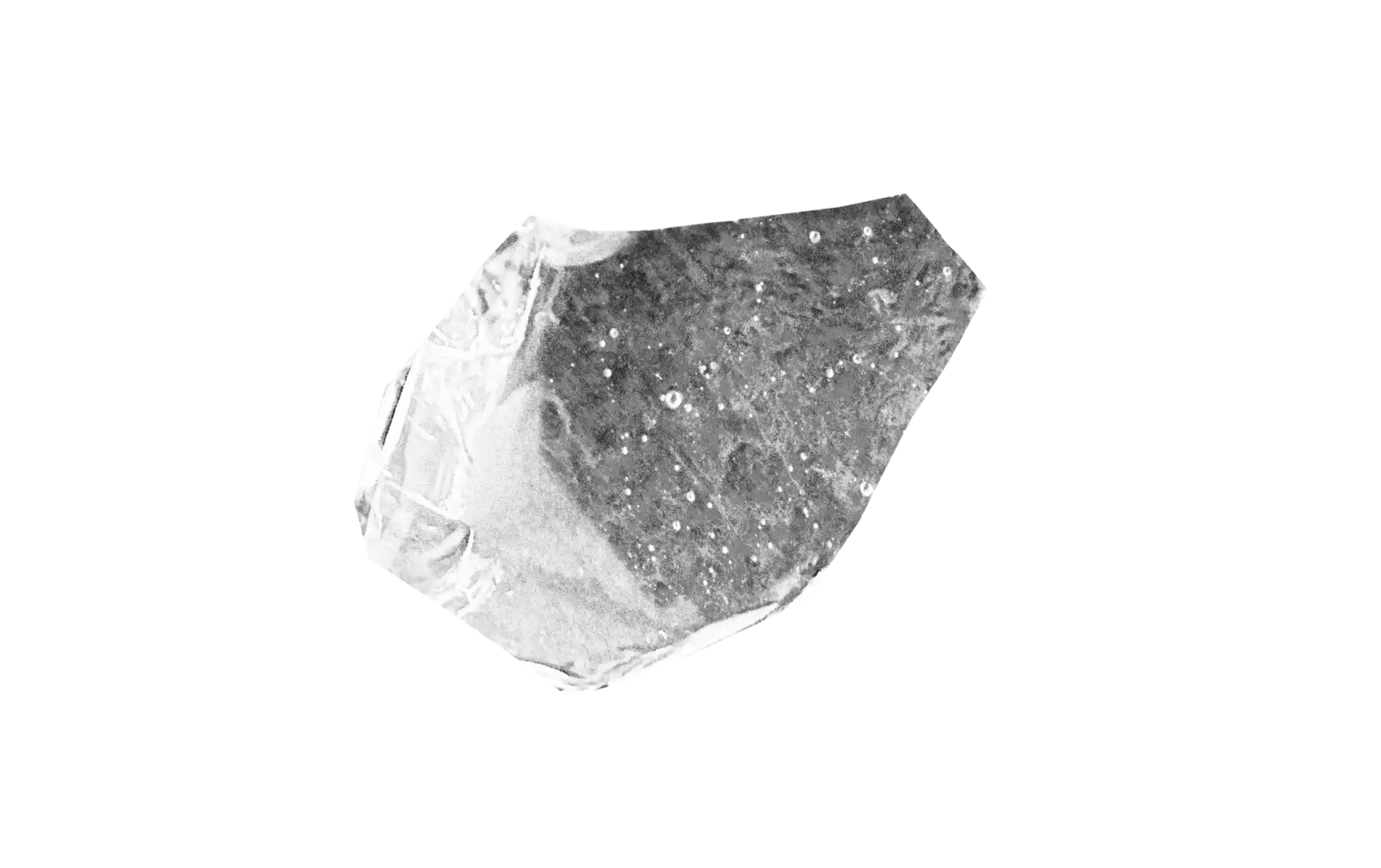

Transforming the Sewing Machine's "Needle" into a "Scalpel"
It's surprising to see embroidery being such a developed field. What prompted you to start this unique development?
It was about thirty years ago. Naturally, embroidery is bound by the functional constraints of embroidery machines, including sewing machines. The most basic "bowling embroidery" technique involves creating tiny round holes in the fabric. The diameter of these holes can be up to 7mm. Embroidery businesses nationwide in Japan worked within these constraints. Our idea was to break free from these limitations and bring a change. After all, it isn't fun being just like everyone else (laughs).
We started with denim fabric. When washed, jeans shrink. By cutting only the warp threads of the denim fabric and then washing it, we noticed that the cut areas would shrink and create an intriguing texture, which inspired us to experiment further. Through this process, we realized we needed a scalpel for cutting the fabric instead of creating holes. This led us to the idea of modifying needles into scalpel-like tools, and thus "Waracut" was born.
When we presented this developed denim fabric at a joint exhibition organized by the Osaka Embroidery Association, it received reactions as if everyone was seeing something brand-new.
It's almost like hacking a sewing machine.
Embroidery machine manufacturers were particularly astonished. Changing the needle to a scalpel was unheard of. By developing this original scalpel, we expanded the range of materials we could work with. By altering the thickness, we could control the size of the holes, making processing possible. Maintenance can only be done in-house, making it difficult for similar techniques to emerge.
Since then, whenever we came up with new ideas, we found ways to realize them. We currently hold 31 patents, with over three times as many pending applications.

Can Embroidery Be Done on "Wood"?
Also known for supplying fabrics to famous brands.
The first time our fabric was used in Paris Collection was in 1999. We’ve had various opportunities to work with both domestic and international brands. Some have visited our factory from their overseas headquarters, others have discovered us at textile trade shows, and sometimes we suggest fabrics to the brands ourselves. Designers are always seeking new expressions, making collaborations stimulating and exciting for us too.
What is the most impressive fabric you have worked on?
For example, we developed a fabric called "Synthetic Leather Power Net Embroidery" in collaboration with a brand. This fabric combines intricate gathers created by embroidery on leather, providing both design and elasticity.

We even embroidered whole turkey feathers onto fabric. The light and natural feathers give it an elegant look. At first glance, it has a luxurious texture similar to fur. Since dyeing bird feathers is prohibited in Japan, we procured them from a company in China specializing in feathers.

Additionally, we’ve created new fabrics from “discarded selvage” (wool scraps) which are usually thrown away. A slight change in perspective can lead to many interesting ideas.
Does embroidery really have to be on “fabric”? At our company, we have a patented technique for "embroidering on wood." Near us is a famous furniture production area known as "Fuchu Furniture," renowned for crafting some of Japan's most luxurious dressers. This technique was developed for those dressers, which were once transported from Hiroshima to Nagoya and Tokyo for weddings.
That's an amazing technique. How is it possible to embroider on wood?
Since thick dresser boards can’t be pierced by needles, embroidery is impossible. So we use 3mm-thick boards, embroider them using special equipment, and then press them onto the dresser body. Before attaching, the surface of the boards is treated to have a textured finish, and it's pressed with heat to ensure it doesn't peel off.

Innovation that Started with a Second-Hand Sewing Machine for 10,000 Yen
Chairman Naeshiro, why did you enter the world of embroidery?
I entered the embroidery world right after graduating from high school. My family ran a vegetable shop, and I planned to take over. However, about six months before graduation, we received an eviction notice and could no longer continue the business. So, after graduating, I began living and working at a workwear manufacturer’s dormitory in my hometown of Hiroshima. This was in the 1960s.
So, initially, you didn’t aim to get into embroidery?
That's correct. Hiroshima had many workwear manufacturers. Initially, I was doing tasks like ironing and handling special sewing machines. One day, the president told me, "From today, you’ll be repairing sewing machines." Having no idea how to fix them, I had to teach myself by studying the structure of sewing machines. I disassembled broken machines while looking at the manual. Within about a year, I became able to fix most breakdowns.
So that’s when you first got into sewing machine mechanics.
I really got into embroidery when I started my own business.
At that time, I was in Tokyo instead of Hiroshima. In 1963, I was transferred to the Tokyo branch of the company, but after the Tokyo Olympics in 1964, there was a recession, and the Tokyo branch was closed. I changed jobs in Tokyo but had an accident at work and ended up in the hospital. During my recovery, a visitor mentioned that the price of embroidering name tags on workwear had risen.
That's when I thought, "I’ll become an embroidery craftsman."
What kind of work is "name embroidery"?
It’s piecework where names are embroidered one by one on work clothes. It was said to take three to five years to become proficient, but it paid cash immediately. Thanks to an acquaintance president, I was introduced to an embroidery craftsman, bought a second-hand sewing machine for 10,000 yen, and got started.

Always New "Crafts"
It's quite an adversity.
I had neither experience nor skill, but I studied desperately. Thanks to my calligraphy lessons, when it came to names, I felt that after a year, I was better than any other vendor.
However, there was a barrier. No matter how confident I was in my skills, I only had one sewing machine, so I couldn't take on large orders. Although I wanted to handle the embroidery for brand clothes' one-point designs, I wasn't getting orders because my production capacity was insufficient.
You hit a business limitation as a solo craftsman.
Around that time, my father's health deteriorated, and I returned to my hometown. He passed away a month later. There, I saw Hiroshima as a "production area" for various crafts completely different from Tokyo. I instinctively felt that it was absolutely better to return if I was going to engage in craftsmanship.
I rented a friend's warehouse and started working in Fukuyama. About eight years later, I built a 40-tsubo factory using savings and loans. At that time, a dedicated embroidery sewing machine cost 12 million yen. I could only purchase one, and the rest were leased, so I continued researching embroidery techniques while working. I remember studying the usage of the machines overnight with the representative from the sewing machine manufacturing company.
Gradually, sales increased, and by the fifth year since starting the business, the factory was packed with employees and sewing machines. When I built a new factory, the bubble burst, leaving me with several tens of millions of yen in debt. Somehow, I managed to get through it, and here I am today.
During that process, did you develop your unique techniques?
Yes. To survive as a company, you have to constantly think of new things and bring them to market, or you'll be ignored. Continued research and creating a technological edge were crucial. If people think, "If you go to Miki Sisyu Kougei, they'll have something new," then we must always consider new forms of crafts.
The second-hand sewing machine I bought first is still in the office. It still works like a charm.

■ Interview Cooperation
Miki Sisyu Kougei Co., Ltd.
Japan Jacquard Embroidery Industry Association
Established in 1964, this is a nationwide industrial association for the embroidery industry. They have systems like the "Embroidery Meister" certification for companies with advanced embroidery skills and theory, and they publish the embroidery-specialized magazine "絵糸 (Eito)." They also support various embroidery creations and have registered November 4th as "Good Embroidery Day." The president of Miki Sisyu Kougei, Naeshiro, has served as chairman and vice-chairman, among other roles.
Text by GANTAN

Japanese Craft Glossary
The History of Arimatsu Shibori: Tracing 400 Years of Turning Points From 1608 Settlement to Global Fashion

Seeking the Artisans
