

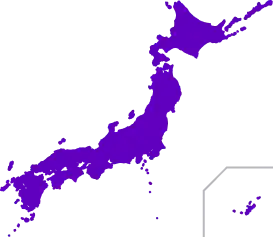
Saitama
Reina Ibuka
Reina Ibuka, Designer, REINA IBUKA. She develops an apparel brand using Chichibu Meisen and Chichibu Futori, promoting the appeal of Chichibu silk.
Chichibu Meisen
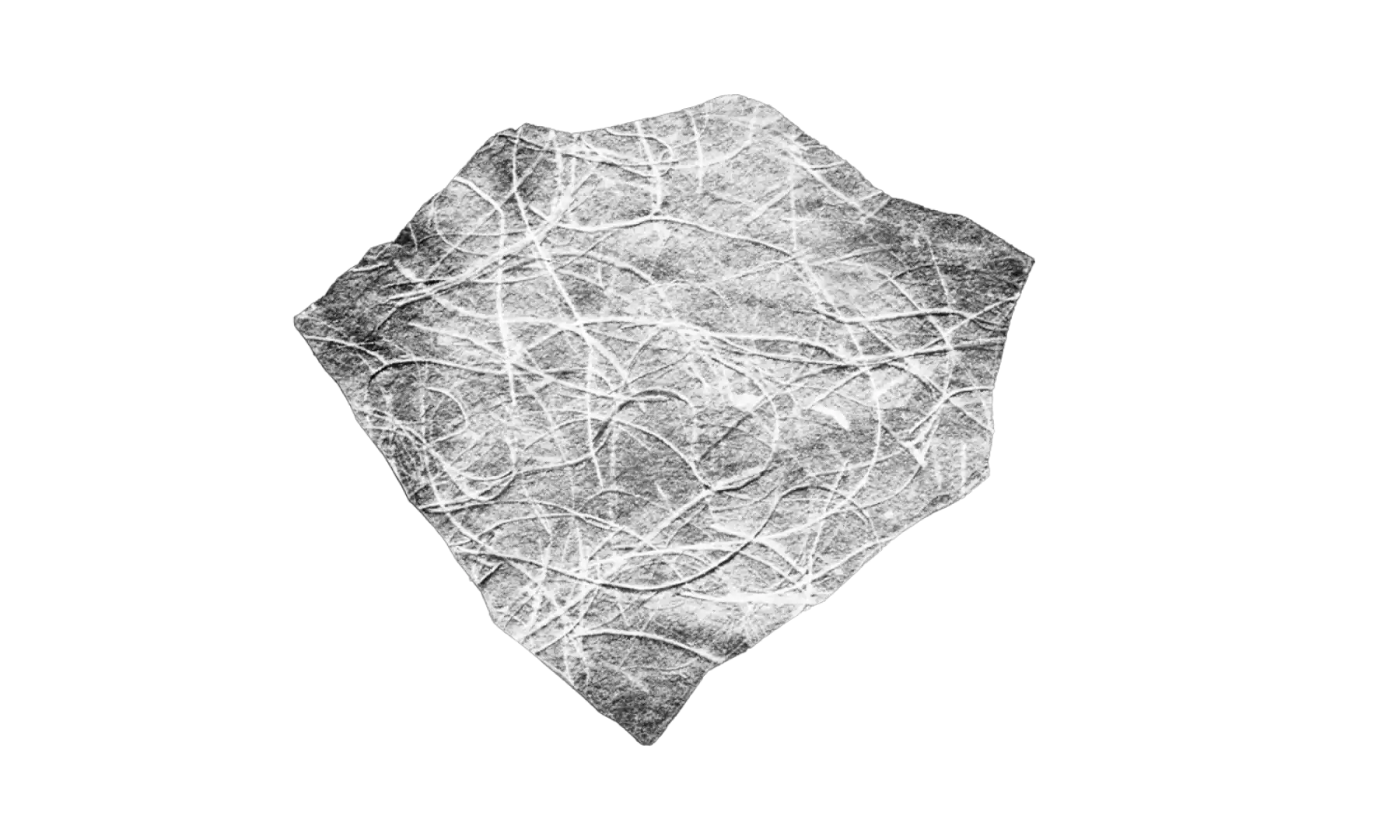
Chichibu Meisen is a silk textile produced using a “hogushi nassen” technique, in which pre-woven weft threads are loosened and re-woven after stencil dyeing the warp threads. Made from silk yarn derived from cocoons, it features bold, pattern-rich designs with no front or back. Traditionally used for kimono, it is now also applied to everyday items such as handkerchiefs.
Located in the northwest of Saitama Prefecture, the Chichibu area is surrounded by breathtaking natural beauty. Not only is it home to scenic spots like Mitsumine Shrine, Chichibu Shrine, Shibazakura in the Hitsujiyama Park, and Nagatoro's Iwadatami rock formations, it's also renowned for its traditional crafts.
In Chichibu, designer Reina Ibuka, who has honed her skills in Paris, runs an apparel brand called 'REINA IBUKA'. Drawing from her experiences in Paris, Ibuka utilizes Chichibu Silk in her designs, effectively showcasing its beauty.
Through Ibuka's narrative, this article aims to communicate the charm of Chichibu.
Chichibu Silk & Sophie Hallette
How did your experiences as a fashion designer in Paris impact your career, Ibuka?
After graduating high school, I attended Bunka Fashion College, and then worked at a lingerie company in Tokyo after graduation. There, I was fascinated by lingerie and inspired to study lace and lingerie in their home country, which led me to move to France.
In Paris, I launched the lingerie brand I had dreamed of, starting with pieces made from upcycled antiques like lace and curtains that I found in flea markets.
In the midst of my activities, I wanted to handle authentic lace from the region, and I was able to purchase seasonal leftover lace from the well-established lace company from France, 'Sophie Hallette'.This brought me great joy and inspired the creation of my pieces.
Later, being charmed and stimulated by various Parisian cultures, apart from lingerie, I started to develop clothing as well.

After returning from Paris, you restarted your brand in your hometown, Chichibu.
Even though I started a brand in Paris, I didn't intend to start another one after returning home. In an age where there's an excess of items, I was questioning whether it was right to produce more.
At that time, I came in contact with the beauty of Chichibu's traditional crafts, 'Chichibu Meisen' and 'Chichibu Futori', learned about the artisans' sentiments and the declining situation they are in. I found a meaningful purpose in this and decided to restart my brand.
Upon seeing the beauty of Chichibu Meisen and Chichibu Futori, feeling them with my hands, I was captivated. The sensation was similar to what I felt at the Sophie Hallette showroom in Paris. Seeing these crafts made me think simply, "I want to incorporate these into my designs!" and "I want to match them with French lace!"
While my involvement is indirect and might seem insignificant since I'm not a traditional craft artisan, I believe that taking part in Chichibu's historic silk culture and initiating activities can make a difference somehow.
Can you tell us more about Chichibu Meisen and Chichibu Futori?
At REINA IBUKA, we use Chichibu Meisen and Chichibu Futori, which are both traditional silk weavings of Chichibu. Both materials are light, comfortable, warm, and cool. However, they have different features and are both beautiful silk textiles.
In Chichibu, which is surrounded by mountains and isn't suitable for rice farming, silk farming was popular. Chichibu Futori was created using non-standard cocoons to make work clothes.
From silk thread production to weaving, everything is done by hand using 100% locally-produced cocoons. The characteristic of Chichibu Futori is its texture, born from untwisted threads, and its plant-dyed colors. Since it’s woven carefully on hand looms, it contains lots of air. The more you use it, the silk threads become smoother as they blend together.
Subsequently, 'Chichibu Futori' was renamed 'Chichibu Meisen'.
'Chichibu Meisen' is a silk fabric characterized by its bold and glamorous design, created by the unique technique of loosening and dyeing the warp threads. It has no distinction between the front and back. Some textiles also display an iridescent effect with varied color perception depending on the viewing angle. Known as a popular kimono textile during the Taisho and early Showa periods, it was produced in various areas including Ashikaga, Kiryu, Isesaki, Chichibu, and Hachioji. However, currently, only Chichibu continues the production.
Both Chichibu Futori and Chichibu Meisen require a high level of skilled technique to create such beautiful textiles.

Clothing That Enriches the Spirit
Can you tell us about the concept of the brand "REINA IBUKA"?
The concept is "cloth that enriches the heart when worn".
Since starting the brand in Paris, I have received many grateful words from people.
There are women who, during their postnatal fatigue period, wore my lingerie and rediscovered their excitement, and people who are still wearing my designs generation after generation. There're also senior citizens living in colder regions who gave me feedback such as "This is rose-coloured towards the end of my life" for the semi-custom pieces I made for them, and there are couples who have always had warm words for me since I made their wedding dresses with genuine lace during my Parisian brand era. They continue to wear my works to every exhibition from afar, making it a pleasure for me to meet and chat with them.
Every time I receive such feedback, I reaffirm my original intention of "enriching the heart" in making clothes.
I've always felt that my spirit is uplifted and enriched when I wear clothes I love, including my lingerie. Maybe I wanted to communicate this to people as well, but since my Parisian brand era, people seem to have felt that way about my clothes, and I am continuing to create with the same sentiment here in Chichibu. Seeing my clients' happy faces makes me feel enriched too. I want to keep on making such clothes.
Currently, these are high-quality traditional silk textiles being produced and sewn with reliable technology so they tend to be pricey. However, I hope to explain carefully to my customers, help them understand the value, and encourage them to wear these good clothes for a long time.

Paris and Chichibu may seem to have no commonalities, but they do in the sense that both are surrounded by beauty.
That's right. Compared to Tokyo, Paris has a lot more nature accessible. There're numerous botanical gardens and parks, and I lived near my favorite, the Paris Botanical Garden, for a long time.
When I'm gardening in the herb garden at this atelier, I can hear the birds chirping and it makes me feel like I'm in a Parisian apartment. When I watch the sun setting from here, it reminds me of the same sunset I would see when I walked the bridges of the Seine in Paris.
In Paris, I was surrounded by things I loved, but here in Chichibu, there is a vast nature that Paris does not have, reminding me that I am living within nature.
This year, at the exhibition, I arranged visits to the 'Kagemori Silk' where they produce the cocoons used in Chichibu Futori. After visiting the silkworm farm, we showed videos of the fundamental weaving techniques of Chichibu Futori, such as the heddle loom, at the atelier and also presented the works.
I wanted people to know about the raw materials of clothing, the respect for silkworms, the silk farming industry, and the local recycling that has been cultivated for a long time, and through the captivating beauty of silkworms and the beautiful endeavors of humans since ancient times, I wanted to be an opportunity for people to consider what is important as a human being.
It was great to feel at the end, through conversations with everyone, that the message was conveyed. I'd like to do the same at next year's exhibition.

Can you tell us about the collections and products that have been sold so far?
The first artwork I created was from a series of fabrics by 'Arakei Textile', a Chichibu Meisen weaving company known for fusing contemporary expressive techniques.
The color depth of its two-sided loosened weave design expresses the waxing and waning of the moon.
This coat was made around the same time as the moon's waxing and waning coat.

This is the 'Magnetic Pole' lace weaving series, which incorporates the essence of Nordic weaving into the Chichibu Futori yarn-making technique.
In the new collection, we worked with artisans from 'Chichibu Futori Kobo' to create an original fabric based on yarn dyed with madder, starting to develop works of Neo-Chichibu Futori, an update of traditional technique. It does take more effort from artisans, but the end result is just as beautiful.


We also have men's items such as vests and ties, and people including local pianists and bartenders are wearing them, and it's a great joy for me that they're introducing Chichibu silk to everyone.
With the aim of creating items that can be purchased by younger people, we created a papillon ('butterfly' in French) brooch to coincide with a recent event.
It is made from leftover Chichibu Meisen, Chichibu Futori, and antique parts brought back from France.
Since I was originally creating upcycled works in Paris, I naturally love this kind of thing and I can do various things. Many people buy small items such as bow ties, scarf ties, and neckties. I hope you can touch and appreciate the charms of the traditional crafts currently being woven, starting from these small items. I would be happy if this piques your interest and you want to tailor clothes or kimonos. Wearing my creations helps keep tradition and local culture alive.

Please tell us about the future developments of REINA IBUKA.
There are many things that I want to do and want to challenge.
I felt up close in Paris that beautiful things enrich our lives. Tradition seems to be respected and well-preserved in Paris. Japan also has many attractive traditional arts and crafts.
While what I can do is a small part of it, I want to pass these wonderful aspects on and protect them by updating silk culture, sericulture, thread making, plant dyeing, and traditional weaving techniques in Chichibu that still exist today to my own style of fashion.
Right now, I have been weaving Chichibu Futori using silk thread dyed with fruit picked in Chichibu this summer, specifically for my collection that is all Chichibu. I am working out the details of a prototype jewelry made by a local jewelry designer using silk thread from Chichibu Futori. I am also planning new attempts, and I would be glad if you could look forward to the next exhibition.
In December 2023, it will be the 10th anniversary of 'Chichibu Meisen' being designated as a nationally designated traditional craft item, and the Chichibu City created a system to encourage the use of Chichibu Meisen for more people to use it. Some people have bought products using it, and I think that we can express more charm of the area in cooperation with the administration in the future.
There are plans for exhibitions outside of Chichibu in 2024, and while considering overseas development, I want to balance thinking about my hometown and the earth.


Japanese Craft Glossary
The History of Arimatsu Shibori: Tracing 400 Years of Turning Points From 1608 Settlement to Global Fashion

Seeking the Artisans
The Timeless Technique and Evolving Tradition of "Tsugaru Nuri Genbei": Growing More Beautiful with Every Layer

Seeking the Artisans
120 Years of Craftsmanship: The Challenge of Isami and Gyoda Tabi to Bring a Modern Japanese Aesthetic to the World

Seeking the Artisans
Evolving to Preserve a Legacy: Bushu Shoaizome's Ishiori Shoten

Seeking the Artisans
Carrying Chichibu Meisen Into the Future—The Sincere Craftsmanship of Arakei Textile

Seeking the Artisans
Dressing Tradition in Modernity: The Edo Kimekomi Innovation of Kakinuma Dolls and Their Challenge to the World

Seeking the Artisans