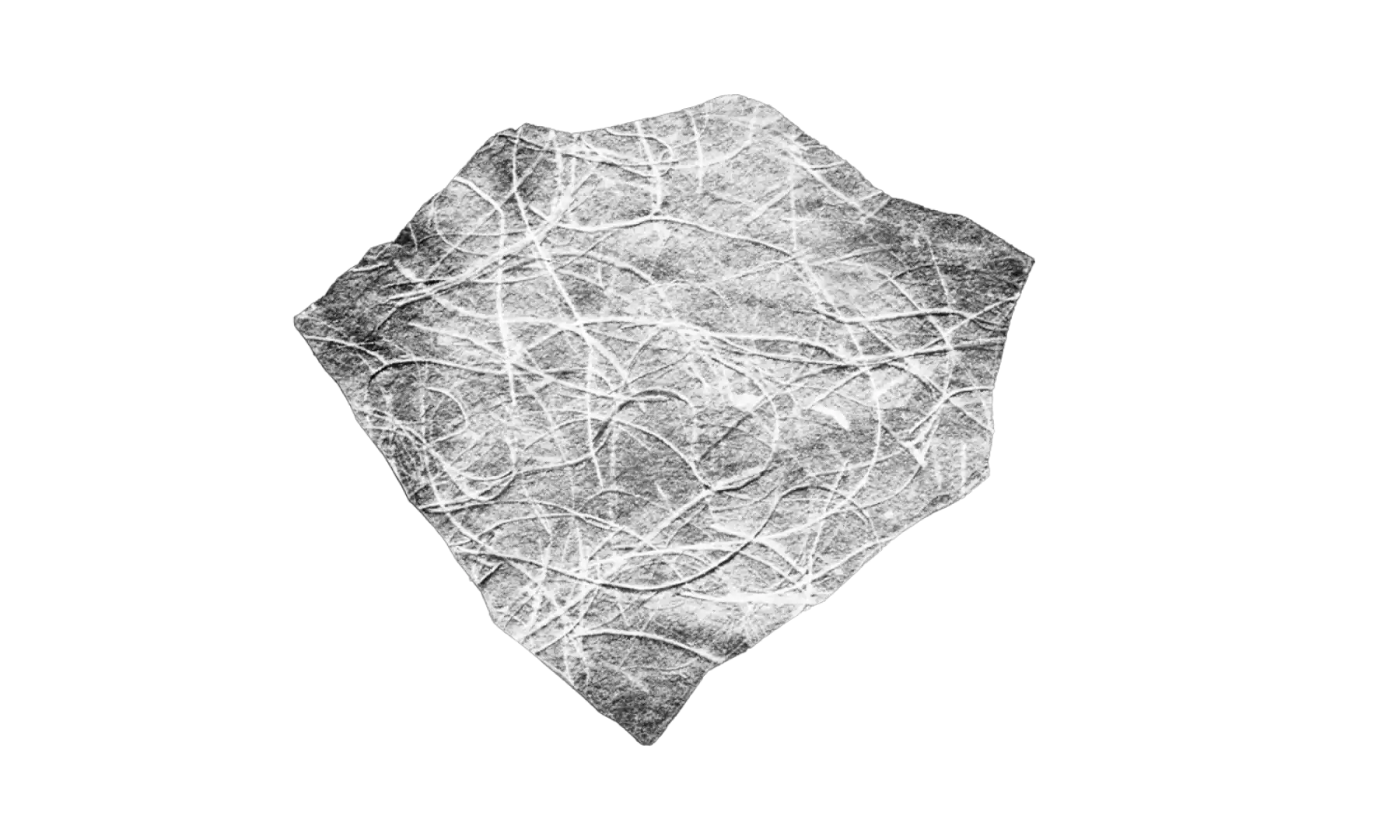
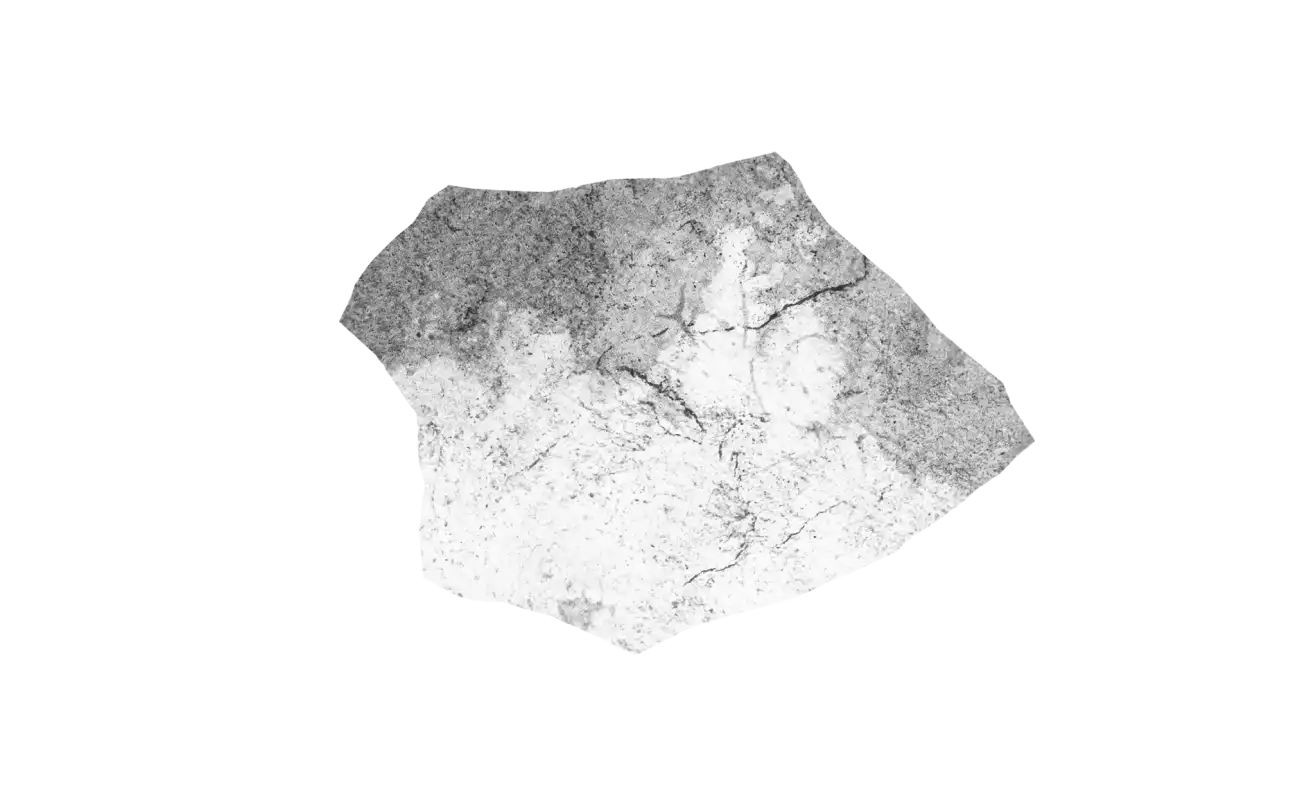

When you pick up a piece of Shigaraki ware, you immediately feel the substantial warmth of the clay and notice its unique, slightly uneven character—no two pieces are alike. Its rustic charm has a magnetic pull for many. But this natural feel isn't just a happy accident. Behind it lies a 1,300-year legacy of sophisticated skills and wisdom, nurtured and handed down by generations of artisans.
This article will zero in on the techniques that truly define Shigaraki ware: the "firing" process that determines its unique character, and "large-scale pottery," a practice synonymous with the region. We'll also dive into contemporary efforts that go beyond preserving tradition, showing how Shigaraki ware is evolving toward the future by collaborating with other fields. By the time you're done reading, you might just see a whole new 'scenery' in the piece of pottery in your hands.

Taming the Flames to Create 'Scenery'—The Firing Technique at the Heart of Shigaraki Ware
The grand finale of the Shigaraki ware-making process is the "hon-yaki" (main firing), where pieces are baked at scorching temperatures from 1200°C to over 1300°C. This is far more than just hardening clay. It’s the most critical stage, designed to unlock the hidden beauty of the earth and create the distinctive "keshiki" (scenery) of Shigaraki ware. This includes rich features like "hiiro" (fire color), "shizen-yu" (natural glaze), and "koge" (scorching). The real artistry of Shigaraki's firing technique is all about how this scenery is coaxed into existence.
What’s fascinating is how the scenery dramatically changes depending on the type of kiln. Traditional Shigaraki ware is fired in wood-fueled kilns called "noborigama" (climbing kilns) and "anagama" (cave kilns), which are built into the slopes of mountains. In these kilns, ash from the burning wood falls onto the pottery during firing. The intense heat melts the ash, which fuses with the glassy minerals in the clay to form beautiful, unplanned patterns. This is what's known as "shizen-yu" (natural glaze) or "biidoro-yu" (vidro glaze), created without any artificial glazing. Firing can last for several days, requiring artisans to feed the fire around the clock. They are in constant dialogue with the kiln, reading the day's weather, humidity, and the dance of the flames. The scenery that emerges is one-of-a-kind and impossible to predict completely. An artisan's true skill lies not in taming these unpredictable forces of nature, but in embracing and skillfully drawing out their power.
In stark contrast, modern gas and electric kilns offer precise control over temperature and atmosphere, making them ideal for mass-producing items with consistent quality. However, they rarely produce the dramatic, unpredictable "yohen" (kiln mutations)—those magical, unexpected transformations—that wood-fired kilns are famous for. This ability to choose the right kiln for the right job is a key technique that sustains the world of contemporary Shigaraki ware.
Artisans also have techniques to control color by deliberately manipulating the kiln's atmosphere. At the core are two methods: "sanka shosei" (oxidation firing) and "kangen shosei" (reduction firing). Oxidation firing involves feeding plenty of air into the kiln to create a state of near-complete combustion. Here, the iron content in the clay bonds with oxygen (oxidizes), giving rise to the warm, pale reddish or orangey-brown "hiiro" (fire color) that is so characteristic of Shigaraki ware.
Reduction firing, on the other hand, restricts the air supply to the kiln, creating an oxygen-poor environment of incomplete combustion. Starved of oxygen, the flames try to pull it from the clay body and wood ash, triggering a chemical reaction known as "reduction." This process mutes the "hiiro" to a more subdued hue, while areas buried in ash carbonize into a blackish-brown "koge" (scorching), lending the piece a profound depth and strength. Knowing exactly when during the firing to induce these states of oxidation and reduction, and for how long, is a highly sophisticated skill that puts an artisan's years of experience and intuition to the ultimate test.

Pushing Clay to Its Limits: The Art of Shaping and Managing Large-Scale Pottery
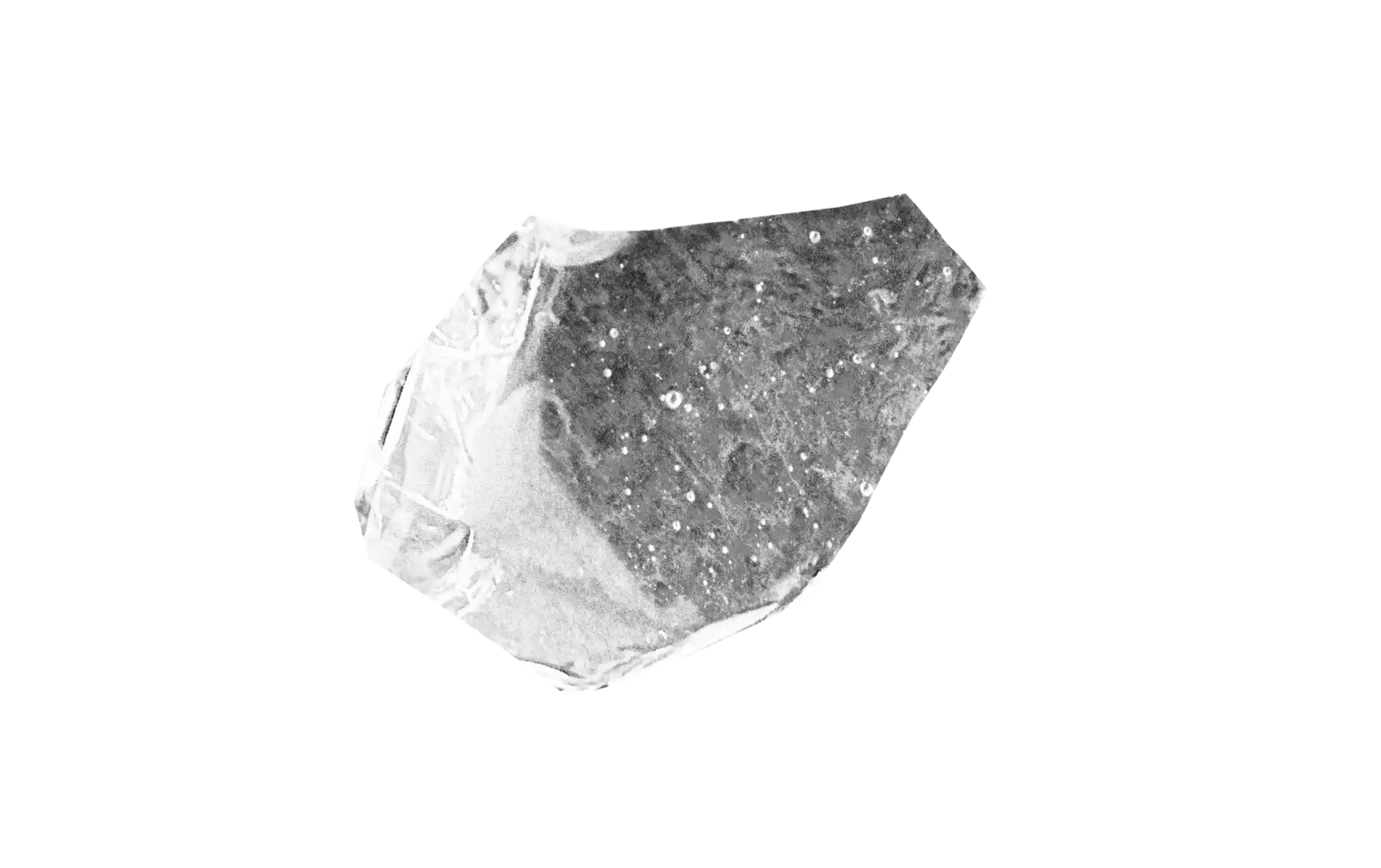
You can't talk about Shigaraki ware without mentioning "Omono-zukuri"—the art of crafting massive pieces that are a challenge for potters elsewhere. From ancient giant water jars (mizugame) and pots (tsubo) to modern-day hibachi charcoal braziers and the ceramic bathtubs found in traditional inns, Shigaraki artisans have continuously pushed the boundaries of what's possible with clay. What makes this feat possible is the superior quality of Shigaraki clay, which uniquely balances plasticity (stickiness) with refractoriness (fire resistance). But it’s not just about great clay. These monumental works are the result of a long history of specialized techniques.
For instance, when crafting a massive ceramic bathtub, artisans combine the "rokuro" (potter’s wheel) technique with "tebineri" (hand-coiling). The real challenge is calculating the structural strength needed to keep the piece from warping under its own immense weight or cracking later on during drying and firing.
But the truly make-or-break stages of "Omono-zukuri" are managing the "drying" and "firing." After shaping, the clay is saturated with water and must be bone-dry before entering the kiln. Why? Because if heated too quickly with moisture trapped inside, the water will instantly turn to steam and expand, causing the piece to crack or even explode. The larger the work, the harder it is to dry it evenly, as the surface dries much faster than the core. This is why these pieces must be dried slowly and meticulously in a well-ventilated, shady spot—a process that can take several weeks, or even over a month.
Firing the piece is just as tricky. Records show that for a ceramic bathtub, the firing process alone can take anywhere from a week to 10 days, with another three to four days just for cooling. The golden rule here is to avoid drastic temperature changes. Relying on years of experience, artisans manage the kiln’s temperature around the clock to ensure the heat penetrates every inch of the colossal piece evenly and that it cools down just as slowly. This incredible investment of time and the constant, nerve-wracking attention to detail are the invisible skills that make "Omono-zukuri" possible.

At the Crossroads of Tradition and Innovation: Modern Techniques Fused with Other Fields
The artistry of Shigaraki ware extends beyond simply safeguarding age-old wisdom. Its history is a testament to continuous innovation, constantly adapting to the times by embracing new technologies and ideas. Today, Shigaraki ware is pushing the boundaries of creative expression by actively fusing its techniques with those from entirely different fields.
A prime example is the marriage of digital technology and traditional handcrafting. Take the decorative technique of "ukibori" (relief carving), which adds three-dimensional logos or designs to pieces based on a customer's request. The process starts with computer-aided design to create a hyper-precise mold. An artisan then uses this mold as a guide to hand-carve the final piece. This blend of digital accuracy and the warmth of human touch unlocks expressions that were previously unattainable.
Collaboration with materials science marks another significant leap for modern Shigaraki ware. In a groundbreaking partnership with a ceramics research institute, one kiln developed a unique, light-permeable porcelain clay. The primary ingredient? Waste material from the manufacturing of fiber optics, a field once far removed from pottery. This ambitious project aims to create something entirely new: ceramic pieces that double as lighting fixtures. This new material wasn't without its challenges. Its shrinkage rate during firing is drastically different from traditional clay, causing conventional glazes to flake right off. The painstaking process of trial and error—tweaking glaze formulas to solve this technical puzzle—is precisely what defines the forefront of technological innovation in Shigaraki ware today.
What's more, these innovative pursuits tie directly into one of modern society's most critical themes: sustainability. Shigaraki's famed clay, a precious resource formed in the Paleo-Biwa Lake bed over four million years, is finite. In response, artisans are pioneering "recycled pottery," collecting unwanted ceramics from homes and factories, crushing them, and blending the powder into new clay. This initiative is more than just an eco-friendly gesture. It has delivered a surprising technical advantage: the recycled material helps reduce shrinkage during firing (a major challenge in large-scale pottery) and enhances the overall strength of the finished piece.
In this way, with traditional craftsmanship as its heart, the art of Shigaraki ware continues to broaden its creative horizons. By flexibly embracing knowledge from diverse fields like digital technology and materials science, it is constantly evolving to meet the challenges of the future.
As you can see, behind the simple yet powerful appeal of Shigaraki ware lies a wealth of highly sophisticated, delicate techniques and tireless experimentation, all aimed at harnessing the elemental forces of fire and earth. The firing techniques that create stunning "scenery" by "conversing" with the flames, and the expertise in crafting large-scale pieces that constantly push the boundaries of clay, are the culmination of a legacy passed down through generations.
It’s inspiring to realize that Shigaraki ware is not a static relic of the past. Instead, while deeply rooted in its heritage, it is a "living wisdom" that bravely confronts modern challenges and explores new horizons. The fusion with digital technology and the embrace of recycled materials are powerful reminders that tradition endures by evolving and connecting to the future. The next time you hold a piece of Shigaraki pottery, perhaps you’ll feel the story of its artisans' unending quest for innovation resonating from deep within its clay body.

