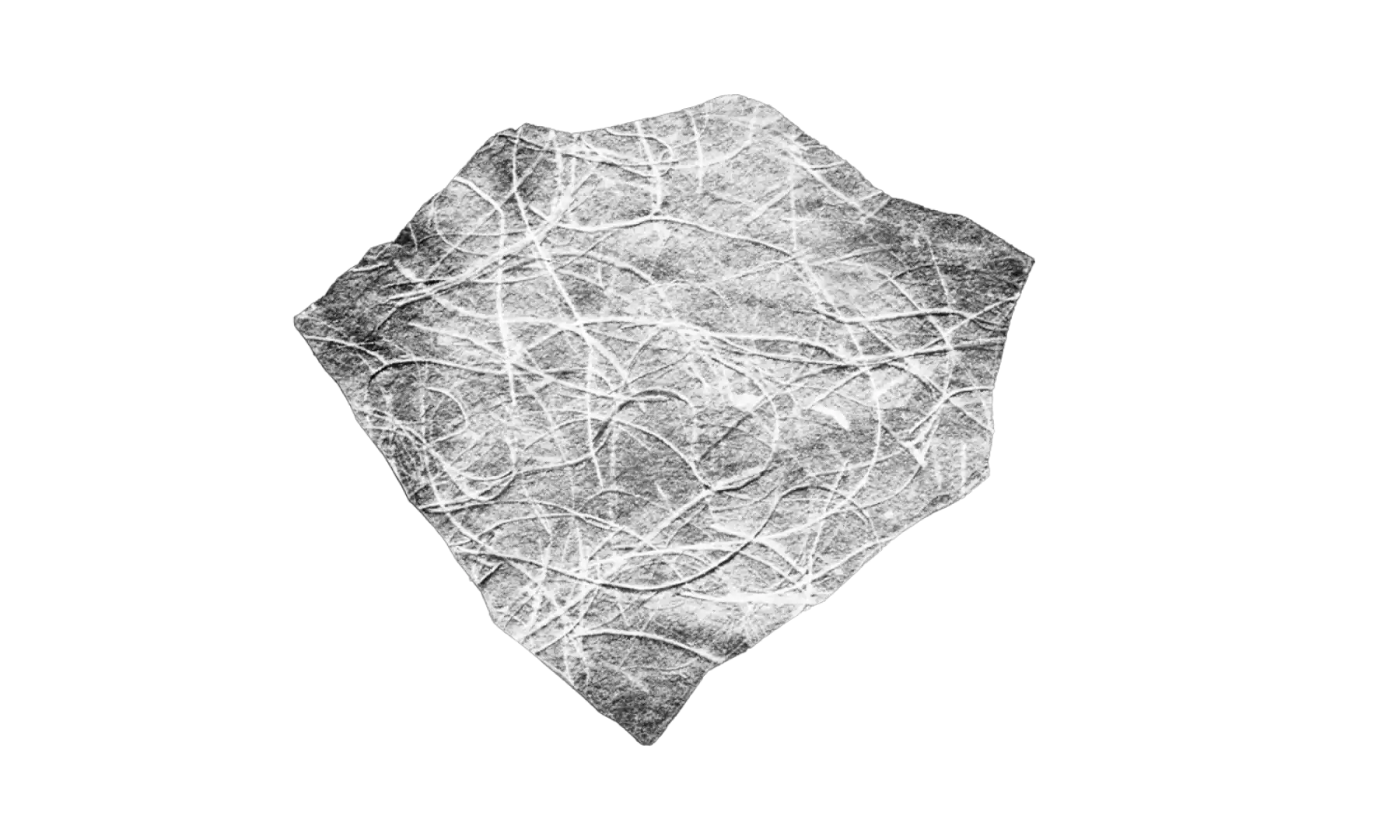
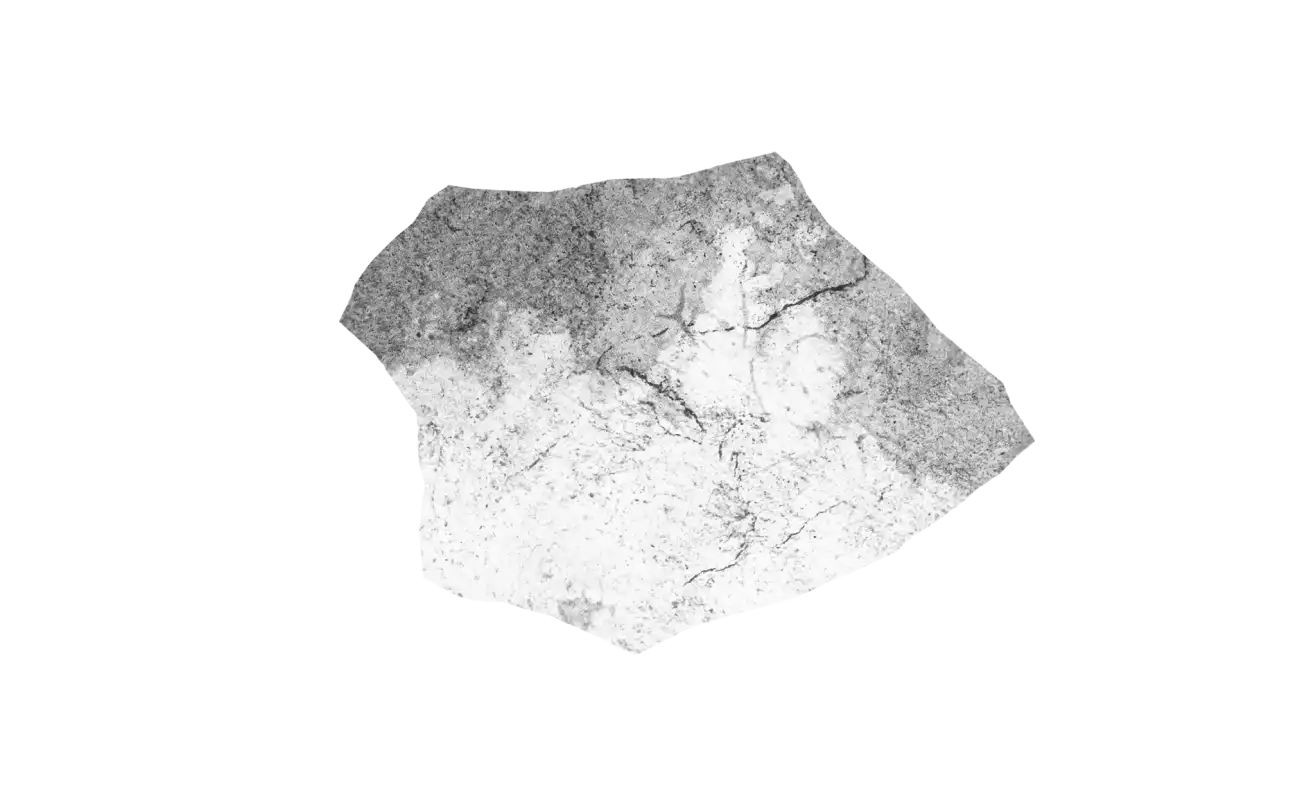

I admire Japanese arts and crafts for several reasons
I don't remember when I first became interested in Japan.I'm sure that my connection comes from the deep respect that the Japanese have for Nature, for its power to soothe, for its strength and for all that it gives us. Japan's artistic heritage is the result of a sincere alliance between natural materials such as earth for ceramics, mulberry for washi paper, different woods for buildings and ancestral know-how.
There are several reasons why I find Japanese art and crafts remarkable.
- the sublimation of simple materials thanks to the excellence and rigour of the work of the craftsmen and artists who produce pieces with pure lines; they know how not to say ‘too much’.
- ingenuity and attention to detail that leads to subtlety
- Nature as a source of inspiration
- their timeless vision
The concern for a job well done is a family legacy,. My perfectionist nature isn't easy to live with, but it has enabled me to create a body of work that reflects my attention to detail. I believe that the Japanese are masters in the “art of detail”, in the refinement of the line and the choice of colors.
Why do the works of French artists influenced by Japanese art appeal to me?
At the end of the 19th century, Japanese prints by HIROSHIGE, UTAMARO and HOKUSAI arrived in France and fascinated certain artists. The discovery of this new aesthetic based on a choice of different lines, curves and natural elements was to influence the artists of the “NABI” movement, which has interested me since the start of my career as an artist.
I cite Edouard VUILLARD, Félix VALLOTON and Paul SERUSIER, for whom Nature and everyday life were a source of inspiration, in the image of the Japanese works of the time.
There is no need for a multitude of data to express an emotion and arouse that of the viewer of the work. The minimalist compositions, aesthetics, range and distribution of “UKIYO-E” colors and subjects give me a pleasant sense of calm.

I chose to work with clay at the start of my career
‘When I was very young, I wanted to dig in the earth to extract shapes that would reveal the history of humanity, in other words, I wanted to live the adventure of an archaeologist. Unfortunately, my results in mathematics prevented me from following this path.
Some time ago, I realized that I had found a way of creating earthen forms that tell stories, stories of relationships between people and of their daily life, making extensive use of animals.
During my apprenticeship, I learnt to turn and make glazes like a craftsman, but quite soon the idea of getting into a routine of multiplying shapes didn't suit me, so I preferred to turn to sculpture. During my apprenticeship, I discovered the art of Japanese stoneware ceramics, used for the tea ceremony. There are “winter” bowls and “summer” bowls, a subtlety that confronts the raw aspect of the material while maintaining a delicate attention to the object used for the ritual of the ceremony.
I'm particularly fond of temmoku blankets, which develop a range of black tones. I have great admiration for Japanese potters who, after a long period of observation and practice, perfect a utilitarian object whose simplicity is its greatness. The repetition of gestures to perfection, the restraint in not adding effects, the technical mastery, in my opinion, raise the pieces to the level of those created by Nature.
Incidents are accepted, which is not the case with Westerners who prefer to control the object to a certain degree of perfection...
I like the combination of the raw aspect and the delicate attention paid to an object that will accompany a person in their daily life. Everyone can choose a bowl to suit the moment and their mood... bearing in mind the potter who took the time to choose and prepare the clay, shape it, dry it, fire it and glaze it, following his or her own inspirations.
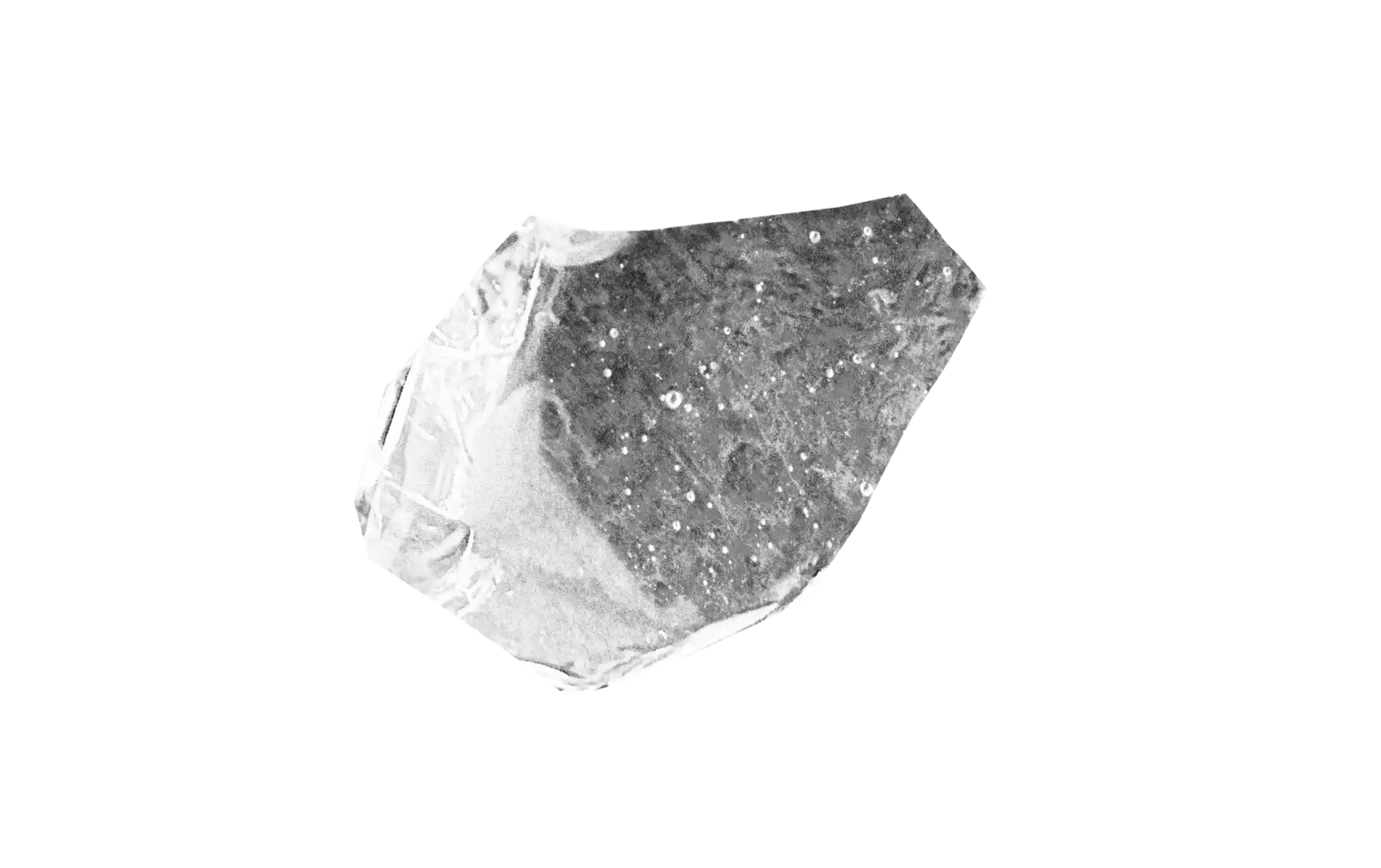

In 2008, I was delighted to have the opportunity to go on an artist-in-residence program in Japan
My application to the SHIGARAKI CERAMIC CULTURAL PARK was accepted. Ateliers d'Arts de France, awarded me a grant.
I'm getting ready to leave for four weeks in KANSAI. It's a bit of an adventure for a mother of three. It validates the work of ten years' experience in the profession I chose at the age of 31. My family supports me, and that's important.
I discovered what I call the ‘Japanese Ariège’ from the bus that runs alongside the torrents, taking me to TOGEI NO MORI in SHIGARAKI the town of potters who make the famous tanukis, among other things. My neighbour TREES is Flemish, there's an Icelandic woman, a Dutch woman, a Korean MYUNG-JOO and young Japanese artists who spend at least a year at the center to develop a project. They really liked the crepes bretonnes I made... with japanese beer.
I accompany them to the open doors of the potters' workshops. I discover a large recumbent kiln and manage to chat with some of them. But the main thing remains to be done : to build a large sculpture, the shape of which I've already worked out in my own studio.

I spent three weeks there, working late into the evening. The night watchman comes by and shows me his watch, telling me to stop... Every day I lay strips of clay to build the wall, but not too many, lest the shape collapse, and I have to keep an eye on the drying.
The assistants are there to lift the heavy form, I want to put feet on it, they wonder why : I need to lighten the form, which is what I've been doing since I took over an ancient form representing a sheep: a body with taut lines supported by four feet.
Emptiness is of great importance in my work, and twenty years ago I became aware of a quote by OKAKURA KAZUKO (1906): ‘THE EMPTY IS ALL POWERFUL BECAUSE IT CAN CONTAIN EVERYTHING’
In my teaching, I emphasize this notion to my students.Emptiness enhances form and gives it strength.

Return to SHIGARAKI to fire the large piece
With the help of assistants, the large sculpture is installed in a large gas kiln. I spent around ten hours firing the piece, with the help of MARNIX, TREES’ partner, as I had no real experience of gas firing. I was impressed to be left alone at night to watch over the temperature rise.
The bake-off went well. The sculpture is finished, and I decide that it will be a ‘big letterbox’ where everyone can leave a message for the sheep alone in the tunnel.
I decided to leave the large piece to the SIGARAKI CERAMIC CULTURAL PARK collection and prepare my return to France. It was a wonderful experience in terms of work, encounters and feelings that will influence my thinking.

Memories of Shigaraki and future prospects
I'd like to continue these different experiences in Japan to immerse myself even more in the culture and meet Japanese craftspeople and artists to learn SOSAKU-HANGA. I'm currently preparing an exhibition called ‘SHIGARAMA’ for an art center in Toulouse, ‘le Salon reçoit’, where I'll be showing pieces made at the SHIGARAKI CERAMIC CULTURAL PARK for the first time.
I had asked to collect the Centre's dustpans before I left, I was struck by the elegance of the shape of this everyday object, which resembles a swing. I've developed an installation using dustpans called ‘P.A.P SHIGA’ .
.jpg?w=320?w=430&fm=webp&dpr=2)

