
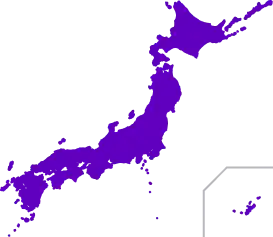
Kagoshima
Hideki Higo, Junichi Higo, Takahiro Yamamoto
Each specializes in traditional mud dyeing, preserving time-honored techniques while expanding their value through award-winning craftsmanship, apparel dyeing, and the development of their own brands.
Mud Dyeing
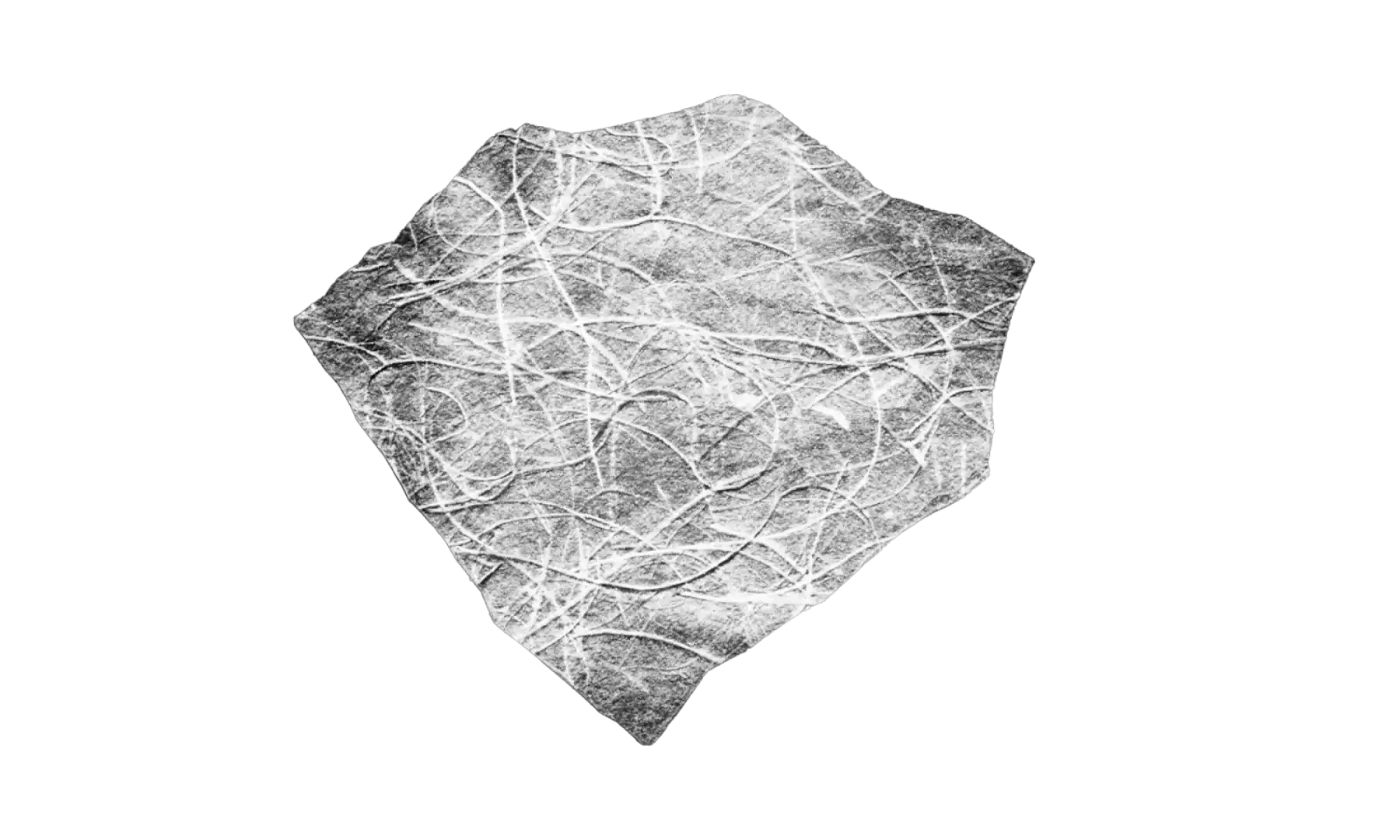
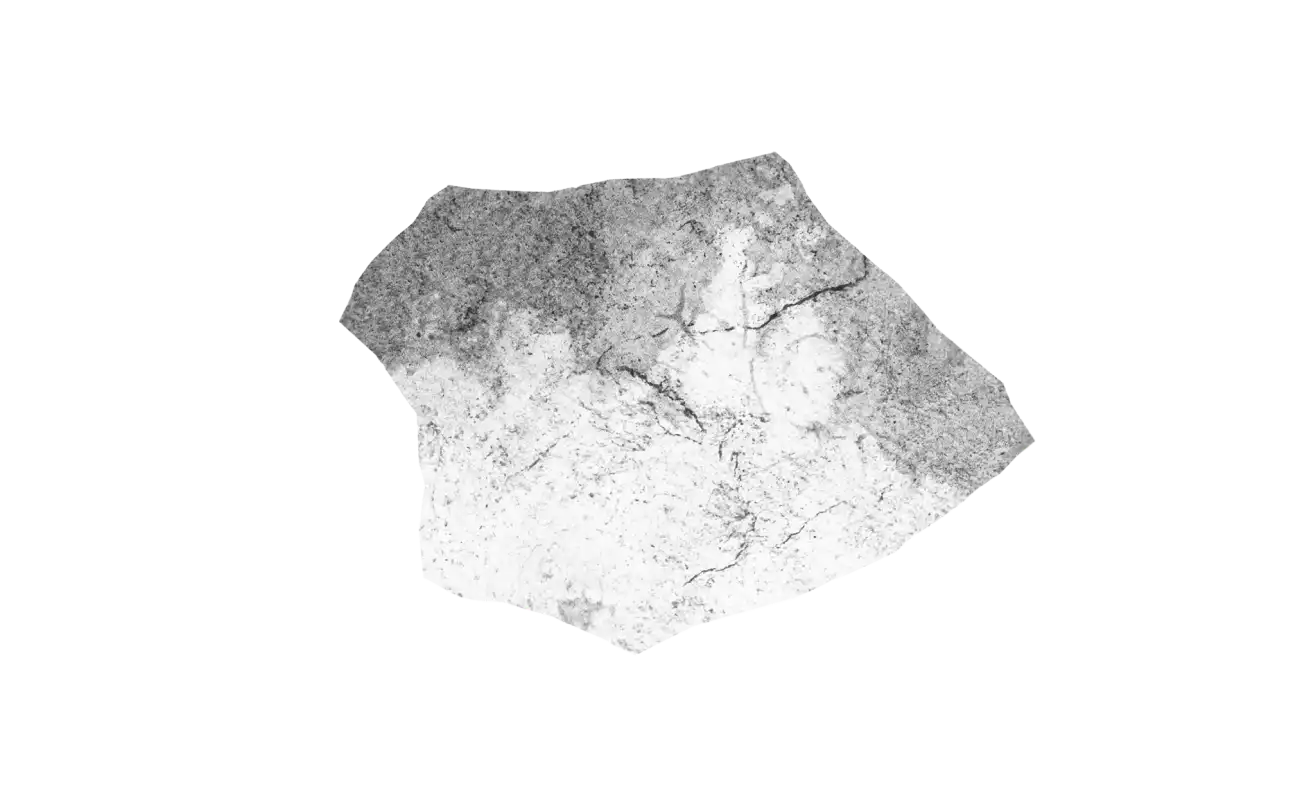
Threads are repeatedly soaked in a dye extracted from the Sharinbai plant and then immersed in iron-rich mud, repeating the process dozens of times to develop color. The materials include tannin from Sharinbai and iron-rich mud, which react chemically to create a deep black. It is mainly used for dyeing Oshima Tsumugi threads and apparel, characterized by its rich and layered black tones.
Amami's Black: A Tapestry Woven by Nature and Human Hands
Tatsugo Town on Amami Oshima, Kagoshima Prefecture. With its intense sun, pristine water, and iron-rich soil, this island provides the perfect environment for a unique dyeing technique called *dorozome*, or mud dyeing. This process, with its 1,300-year legacy, is the heart of crafting Oshima Tsumugi, a fabric celebrated as one of the world's three great textiles. Higo Senshoku is a family-run workshop dedicated to preserving this ancient craft.
The dye's key ingredient is the Sharinbai tree, which the locals of Amami call *Techi-gi*. Logs harvested from the mountains are chopped, crushed, and boiled in a massive cauldron for almost two days. This process yields a decoction with the deep color and rich aroma of black coffee, creating the foundational under-dye that gives the final black its incredible depth.
The fabric or thread is repeatedly dipped into the dye, layering the color one immersion at a time. A single dip is never enough. The artisan massages the material by hand, carefully monitoring the day's weather and the dye's condition, expertly reading the slightest shifts in hue. This meticulous process is used not only for the silk threads of Oshima Tsumugi but also for a wide range of items, including T-shirts.
Next comes the pivotal moment: the mud bath. A chemical reaction between the tannin from the *Techi-gi* wood and the iron-rich mud fixes the dye, transforming it into a deep black. This crucial step is repeated up to 90 times. The black that emerges from this painstaking process is anything but flat; it's a color of immense depth, revealing subtle hints of blue and green as it catches the light.
In the final step, the fabric is rinsed in a clear river, allowing it to absorb the pure blessings of nature. This is how the 'living black'—a shade impossible to replicate with synthetic dyes—is finally brought to life.

Seeking the Artisans
Three Sisters, Three Different Dreams: What Three Sisters at a Yoshino Tea Farm Put Into "Chanokichi"

A Century of Craft, A Master's Voice
Part 5 (Final): Class 1, Bamboo Group: A Life That Seems Futile, Yet Is Not — Living National Treasure Shosei Fujitsuka

Seeking the Artisans
The Mud Dyeing that Sustains Oshima Tsumugi: The 'Living Black' Born From Amami Oshima's Mud

Seeking the Artisans
From Amami to the World: An Artisan's Quest to Weave the Future of Oshima Tsumugi

Seeking the Artisans
Forging the Future of Oshima Tsumugi: The Determination of Shingo Minami at Yumeorinosato's All-in-One Workshop

Seeking the Artisans