
Saga
Gen Taniguchi
Seventh-generation papermaker at Nao Tesuki Washi. After working in the fashion industry, he took over the family business and now creates traditional Japanese handmade paper while pursuing his own artistic practice, exhibiting his work in solo and group exhibitions in Japan and abroad.
Nao Tesuki Washi
Crafted through a process of cultivating kaji trees, extracting their fibers, and hand-forming sheets while adjusting thickness and texture depending on use. The material mainly consists of locally grown kaji fibers, and it is used for crafts such as lanterns and various paper products.
How a Single Sheet of Washi is Born from a Kaji Tree
Deep in the Nao district of Saga City, a tradition of papermaking has thrived for over 300 years, dating back to the Edo period. Where over 100 families once practiced the craft, only one workshop remains today: the Taniguchi family's 'Nao Handmade Washi.' Their craft is so revered it has been designated an Important Intangible Cultural Property of Saga Prefecture.
The secret to Nao Washi's strength lies in its raw material: the locally grown 'Kaji' tree. Its fibers are longer than those of the more common Kozo (paper mulberry), resulting in a remarkably tough paper that resists tearing even when incredibly thin. This unique quality is why it has been cherished for centuries, used in traditional paper lanterns and shoji screens.
The key to the paper's quality is in the meticulous preparation. The Kaji branches are steamed, their bark is stripped, and the fibers are dried before being boiled in a massive cauldron. These thick, tough fibers are then painstakingly beaten until they become soft and fine. Next, they are mixed with water in a bladed machine, transforming into a soft, cotton-like pulp—the very essence of washi.
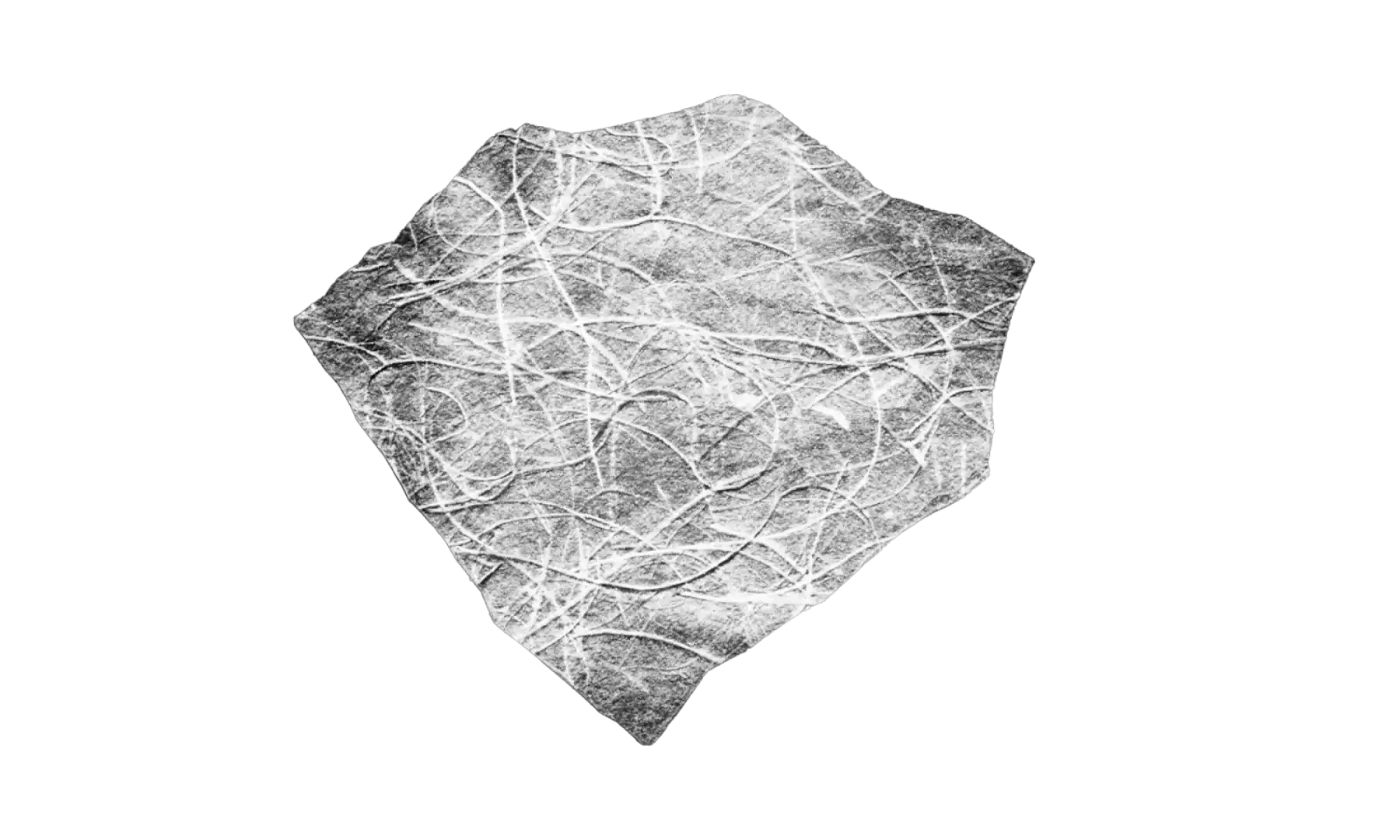
In a vat known as a 'sukifune,' the pulp is mixed with water and a viscous agent called 'neri.' Now, the true artistry of papermaking begins. With expert precision, the artisan uses a screen frame called a 'sukigeta' to form a sheet of uniform thickness—a testament to years of practice. Then comes the 'rakusui' technique: jets of water are artfully showered onto the freshly formed sheet. This process shifts the fibers, creating intricate, light-catching patterns that give the paper its unique beauty.
Finally, the stack of wet sheets is pressed under a jack to squeeze out excess water. Each sheet is then carefully brushed onto a heated iron plate to dry slowly. With this last step, a sheet of Nao Handmade Washi is born, ready to continue its 300-year-old legacy.

Seeking the Artisans
Three Sisters, Three Different Dreams: What Three Sisters at a Yoshino Tea Farm Put Into "Chanokichi"

A Century of Craft, A Master's Voice

