
Encountering Washi — a single sheet of paper changed my path
I never expected a sheet of paper to change the way I see art, space, or even stillness. But that’s precisely what happened when I was first introduced to washi — traditional Japanese handmade paper. Before that, paper had always been just a surface: something to write or draw on. It was beautiful but passive, almost invisible. But washi is different. It has presence. It glows from within. It holds air, texture, and lightness. And through it, I found a surprising connection to meditation and to my own creative process.
A New York insight — washi is like the breath
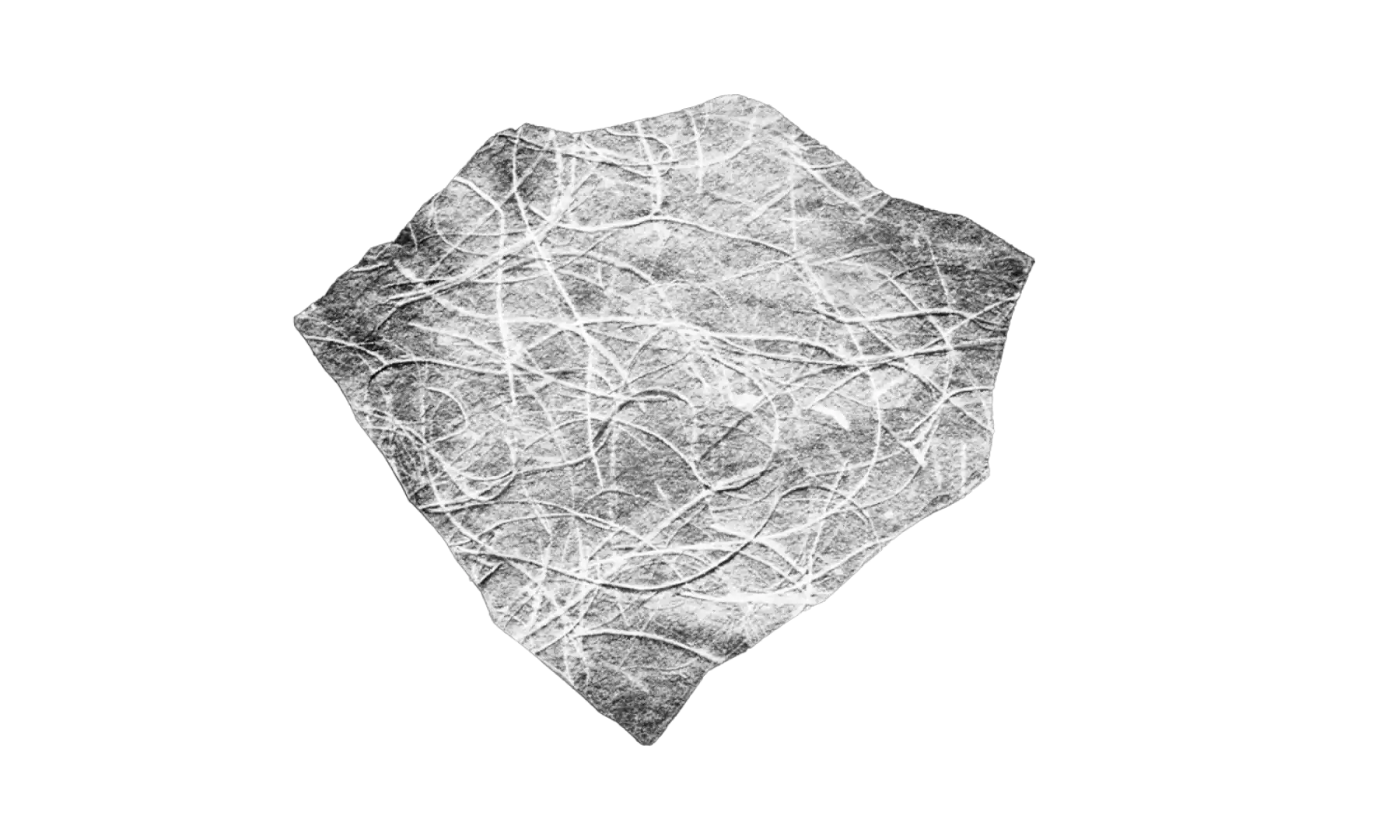
Although I had gone to Japan right after graduating from college with a degree in art, my first introduction to washi came during a visit to a paper studio in New York City in 1986. I watched artisans pull delicate fibers from pools of water, layering them gently onto screens with quiet precision. The rhythm of the work reminded me of breath—steady, slow, intentional. And the fibers danced across the screens. As the sheets dried, they transformed into something soft but resilient, almost glowing. Washi wasn’t just paper; it was an art form that could be explored deeply from a still place. At that moment in the studio, I thought to myself, This is what I must do in Japan! I was excited to find a location in Japan where I could create works with paper.

My ongoing creations in Echizen washi
Soon after returning to Kyoto, I looked for a place to make my own washi. My local washi supplier was a friendly man who always understood my simple Japanese, so I went to him and he graciously agreed to take me to his family paper studio in Imadate, Echizen. There, in the 200-year-old paper factory, I began exploring how I could use washi not just as a medium, but as a way to express my art. I have worked there ever since.
I encountered numerous challenges along the way, as my initial ideas were beyond my technical skills. The Echizen papermakers provided me with gentle guidance on how to bring my ideas to life and refine my techniques. Their patience and incredible skill with the medium inspired me to look deeply into myself and try numerous ways of expression with the fibers.
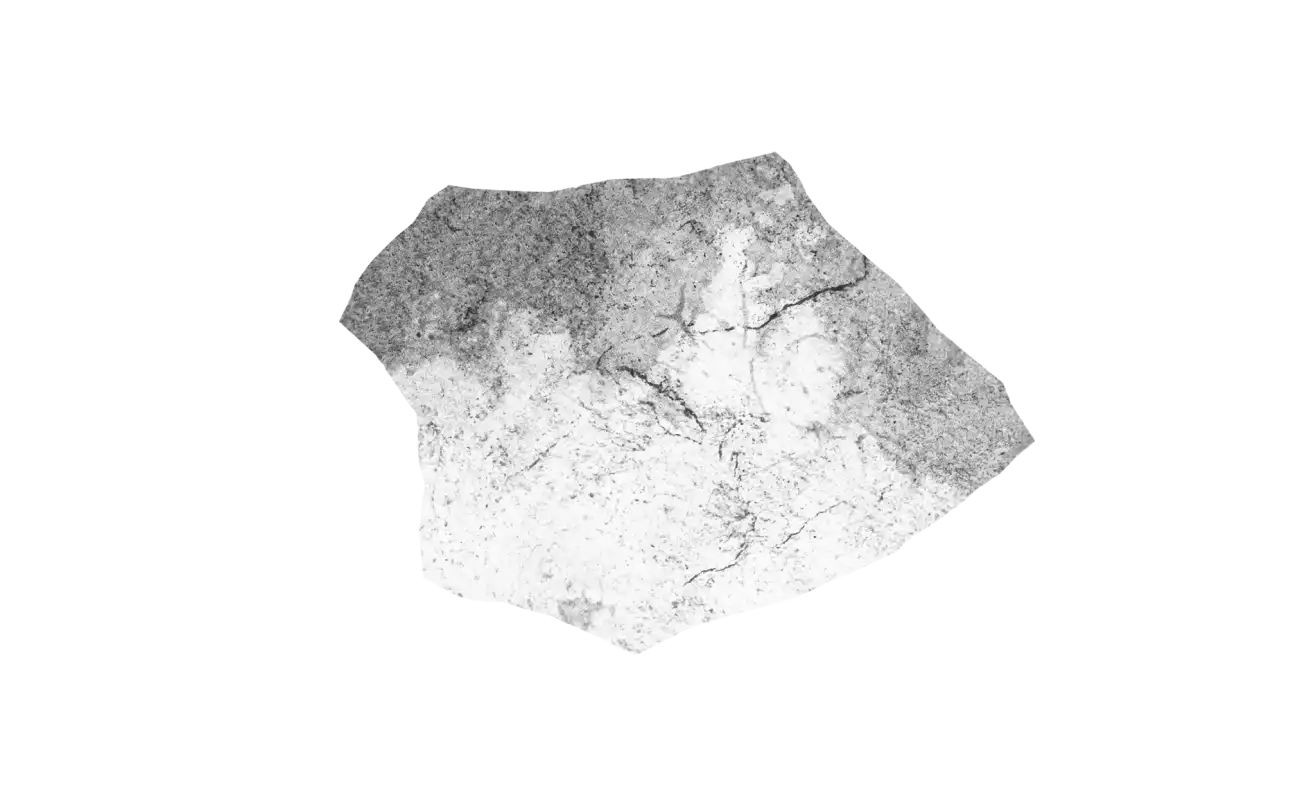
What makes washi so profound is its ability to embody opposites. It is strong yet delicate. It holds light yet casts a shadow. It honors centuries of tradition while inviting innovation. As a westerner, I saw many possibilities that went beyond Japanese traditions. My early works expressed the beauty of landscape and color gradation as seen in the atmosphere of sky and water.

Creation emerging from stillness
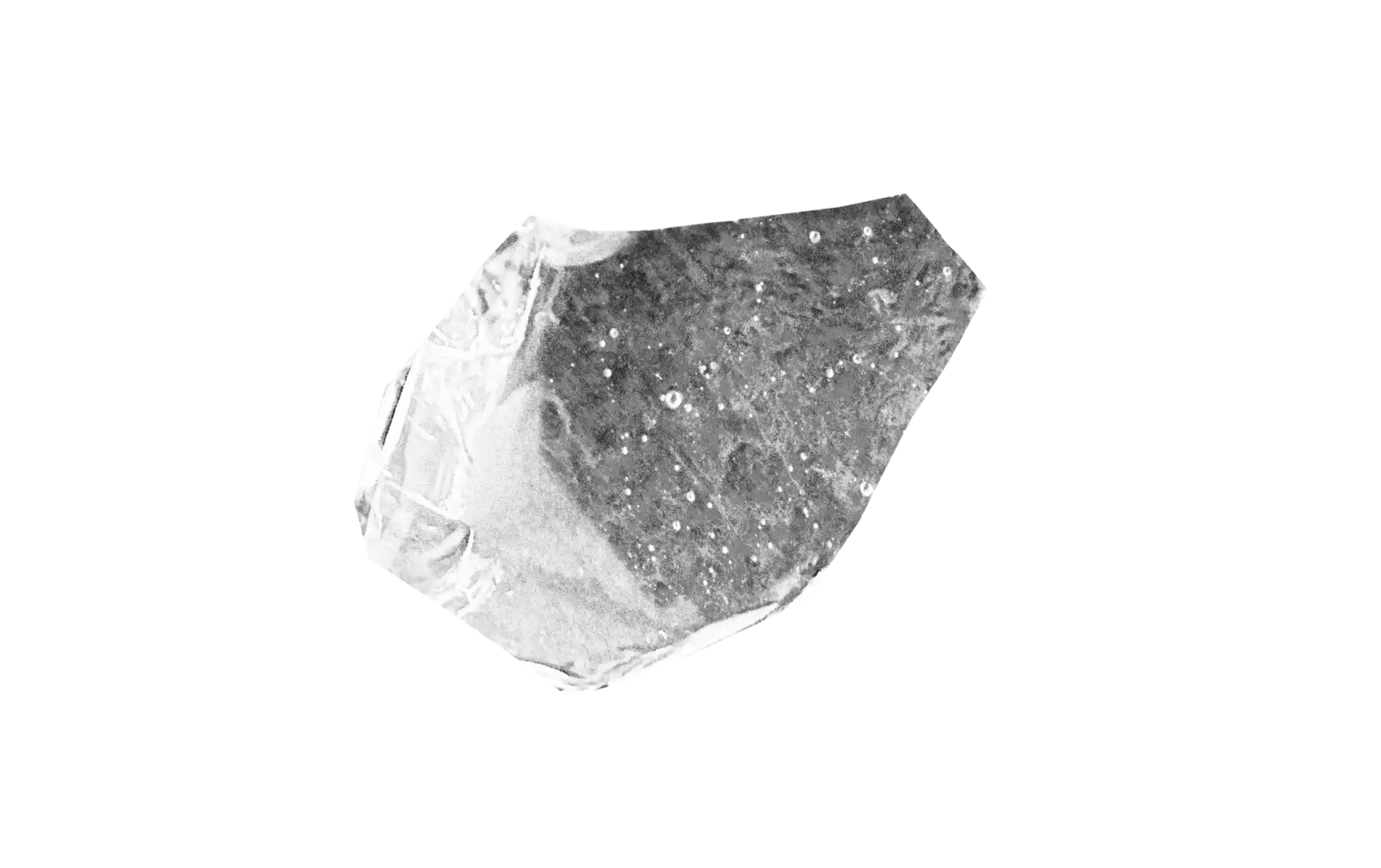
I began meditating many years ago, during a time when my mind felt restless and agitated. I craved quiet, not just in my environment but in myself. Learning to sit in stillness — to focus on my breath, to observe without reacting — taught me how to be present in a way I never had before. But what surprised me even more was how that same presence began to show up in the way I poured washi fibers into unique images .
The connection between washi and meditation came into complete recognition for me when I visited Komyōin, a quiet Zen sub-temple of Tofukuji in Kyoto years later. The temple is renowned for its minimalist rock garden, and I was asked by the abbot of the temple to create washi fusuma doors that would introduce an element of water and support the practice within the temple. It was a great honor.
Thus, the “Lapis Waterfalls” fusuma doors were created in 2022. While creating the washi for the doors, I entered a meditative state, falling into the rhythm of my breath and the space around me. The layered textures of the washi seemed to echo the layers of my thoughts as they rose and fell.
The deep blues reminded me of falling water, of depth, and the movement of water. When the finished works were installed in the temple, the water element combined with the rocks in the garden.
My journey with washi is still unfolding, but what I felt at Komyōin continues to resonate. In a world full of noise and speed, this gentle, luminous material allows me to express light through natural materials. With washi as my medium, I continue to show my art to the world.


