

ARTIST IN RESIDENCE IN THE SHIGARAKI CERAMIC CULTURAL PARK JAPAN
As an artist I enjoy the challenge of putting intimacy and sensuality at the center of my practice in a time that art mainly became conceptual.
During a stay for three months as an artist in residence in the Shigaraki Ceramic Cultural Park in the Shiga Prefecture I very soon could sense the differences between East and West in the approach of the material.
I was surrounded by my mostly Japanese fellow artists who worked with clay as a material to give shape to their thoughts. I could not only see what kind of work they made, but most important and interesting for me was ‘how’ they made it.
Already the first day I could admire the way the Japanese artists wedged their clay as skilled artisans in a totally different way than Western artists. They used a kind of spiral wedging, called ‘KIKUNERI’ I learned.It drives out all the air of the clay before the start of a new work.
In Europe we use the ox head technique to get rid of the trapped air in clay, similar as kneading bread dough. ‘KIKUNERI’ or chrysanthemum kneading is wedging clay around a center. The movements of the hands generate a circular pattern of folds. The result of this way of kneading reminded me of a ‘navel’.
The wrinkled form of the kneading process in Japan I kept in memory and it inspired me some years later to start a project NAVEL, BODY , SKIN at the same place in the Shiga prefecture.
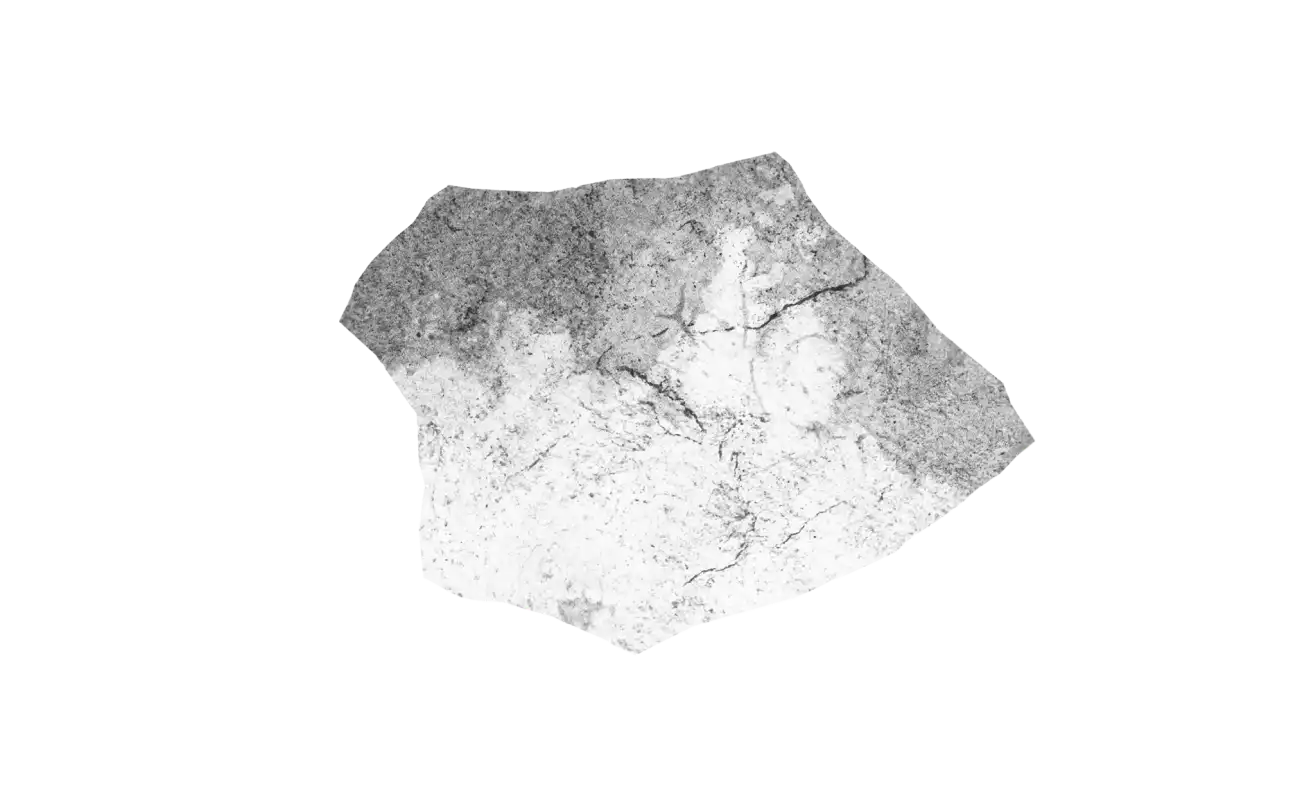
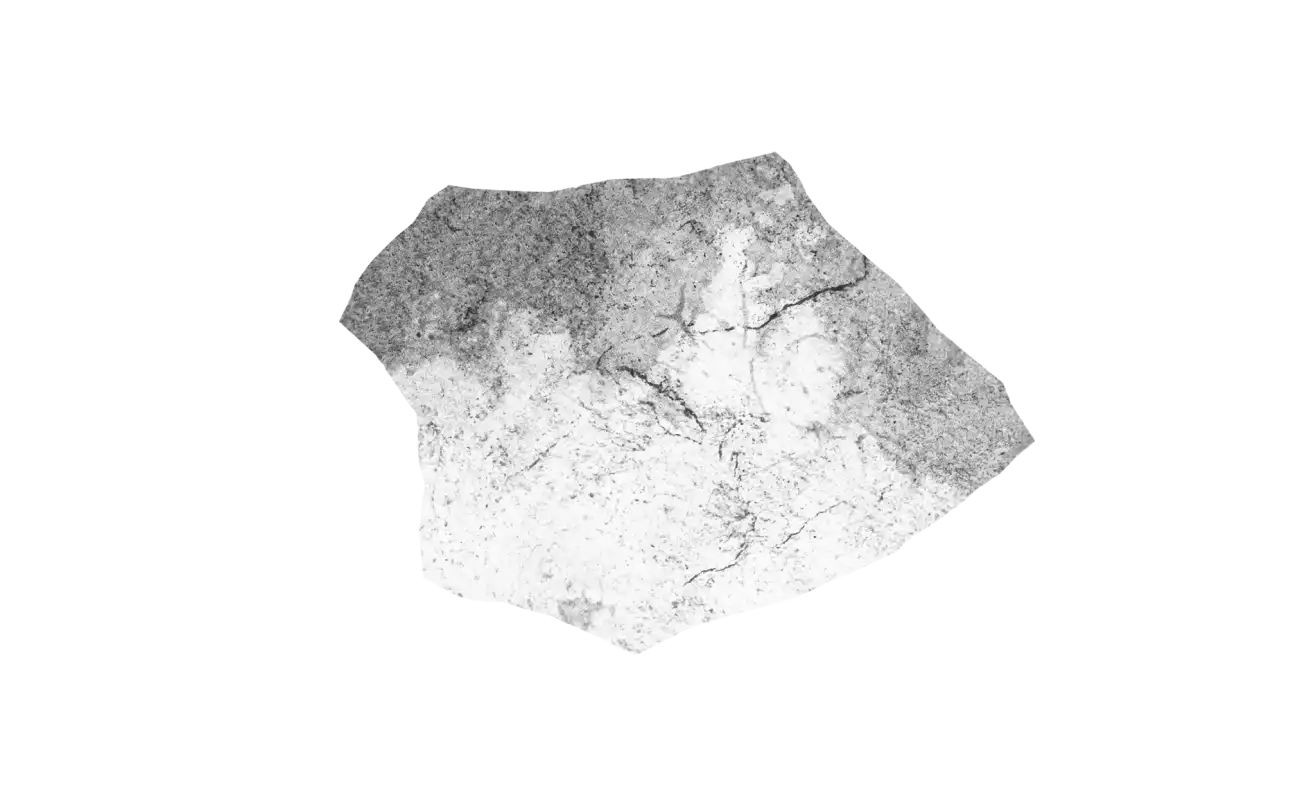
The result of the kneading process, the folded rotation in clay, essentially the starting point for a new ceramic work for the artist, was brought to a standstill.This amorphous object is given the name NAVEL-KNOT.
While drying the navel-knot unrolled and started to show cracks because of the enormous tension on the form.Tetsuya Ishiyama(石山 哲也) taught me how to work the cracks with Kintsugi. It highlighted the fracture and seemed a golden wound as part of the history of the form. As a perfectionist I learned to accept the scars and the traces of errors.

RED
I travelled for the first time to Japan in 2004. Next to my documents for transportation and some basic information about cultural etiquette, I didn’t prepare a lot. I did not use tourist guides but instead I read NOVELS by Japanese writers.
I started with Yasunari Kawabata’s House of The Sleeping Beauties, Thousand Cranes, Beauty and Sadness, Snow Country and the Lake. Further I was happy to wade through writings of Junichiro Tanizaki, Kenzaburo Oe and Yukio Mishima.
As a visual thinker I saw their words as a series of images and I could feel in the novels a different approach than most Western literature. I experienced Japanese novels as very descriptive with sensory details of events and daily used objects, what created a vivid image of life and social aspects in Japan, though it was in earlier time. Striking was the sensitive representation of the body while describing love and emotions and at the same time the experience of the traditional tea ceremony while reading on a couch at home, far away from Japan, in the novel Thousand Cranes from Kawabata.
Prominent was also the repeated use of colors, especially the color RED in all its shades. I could read more than forty sentences with the word RED, maybe more. Furthermore, there were numerous indirect references to red such as blushing, blood, lips, excited color, shame, glow, fire, fervent fervor, feverish color, muscles, meat, birthmark, sunset sky, faded lipstick, flames, blazing sky, reddish Shino, warm skin, ... or different types of red, like peach red, evening red, soft pink, delicate red, blood red, brown-red, deeper red, red-black, faint red, bright red, carmine,…
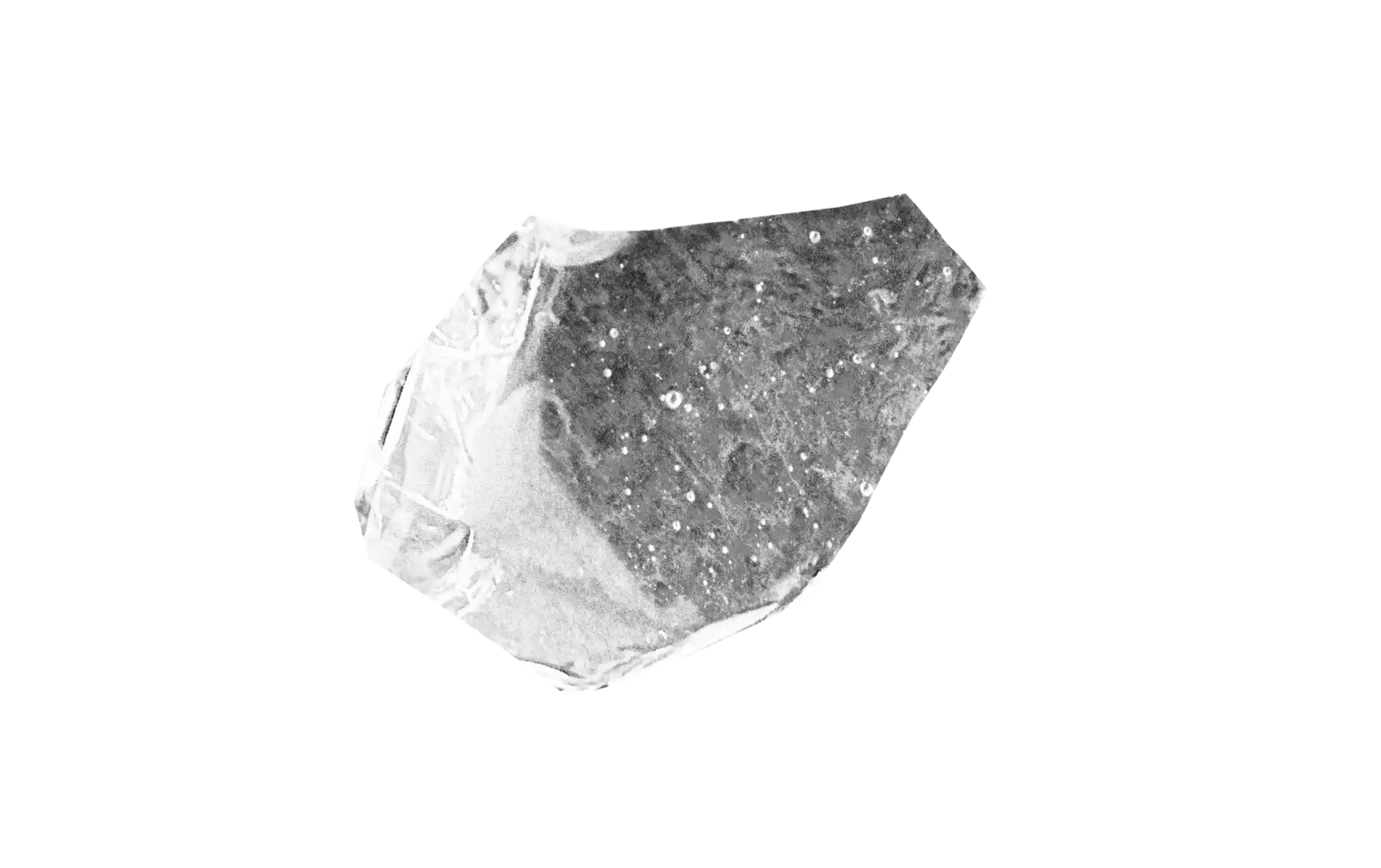
The novel was inspiring during an artist residence in Iceland a few months later where I connected my thinking about the red glowing lava in the Icelandic landscape and Yasunari’s words about red. I transported the red from Japan to Iceland with a series of photo works as a result.

BACK TO JAPAN
I visited Japan in all seasons, starting with the hot and humid Summer in the company of the singing cicadas and the summer festivals to the transition of Summer in Autumn, the time of the Momiji, with intense red maple leaves and bright yellow gingko. I remember the visitors watching the changing colours of nature in a contemplating way.
In Winter the white blanket of snow on the Japanese hills let me daydream and muse on the fastmoving Shinkansen anytime, anywhere. I learned that the general word for snow is yuki, but that there are more than hundred words for snow while in our language it could be melting snow or snow that remains but it’s still the simple word snow.
I could experience an admiration for nature, a feeling of wonder, especially during Spring, the time of cherry blossom, and I could read the pleasure for the changing seasons from the face of the Japanese artists I stayed with in Shigaraki.
Celebrating the phenological change in nature every three months, like budding flowers in Spring and leaf fall in Autumn, is something we Westerners rarely do.
I think the analogy between man and nature has been more preserved in Japan and I realized that a lot of festivals and even holy places are close to nature where also trees are more protected than in the West because of the spiritual significance.
I create photographic works because I wish to capture the ephemeral nature of flowers—their fleeting existence and the transient quality reminiscent of the seasons. “Ephemerality” is inherently temporary, while “capturing” implies holding something still. I seek to express these contradictory concepts.

ABOUT MY WORK
I am a mixed media artist, creating visual content using a combination of traditional and digital techniques. My work is an ever-expanding laboratory of spatial elements and digital images.
With different materials I create sculptures and installations, paintings and photographs.They are a poetic web of fiction and reality, of intuition and reasoned thought.

THREE-DIMENSIONAL CERAMIC WORK from the series SENSORY
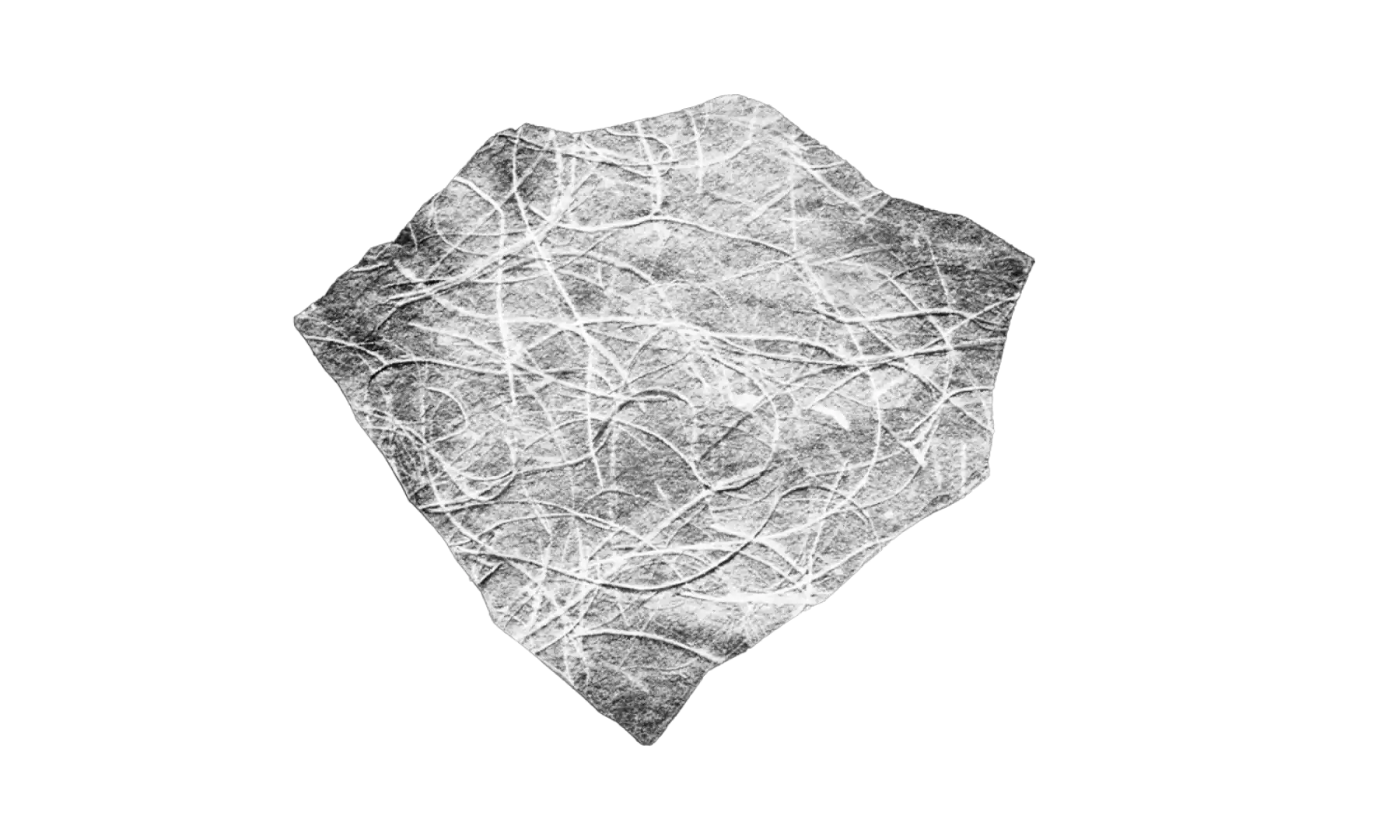
The physical experience of making is important in the creation. Shaping the form is direct and expressive, through beating, pulling, kneading, and rubbing the porcelain. The proportions of the hand, the power of the process and fingerprints as a personal stamp remain visible. This isn’t new, it even goes back to prehistoric times - impressions and traces – but it is an essential part of the work.
The theme is THE BODY as an imaginary fictive image, the body as memory, the body in science and in medicine.
The installations are manipulations of the exhibition space and thus site specific. The placement of each element during an exhibition is flexible and its position is never complete and final. Some of the objects are reused later in a different context or they expand individually as a kind of offshoot in a new development. All fragments are fundamental elements of a larger whole that shapes the viewer's overall sensory perception.
I don’t want to write this down too clearly. Titles are a hint to the audience, but ultimately, every statement must yield to reality. I think it is somewhere related to the Japanese concept of BI where the invisible is subtly felt, without words, by sensitive observing.

BEAUTY
As I write about light and darkness and the plum blossom the concept of BEAUTY comes to my mind. In Japan, beauty is a cultural concept, a positive concept and it has to do with harmony, also in art. Beauty lies in a lot of things, like the natural patina of aging, a subject Tanizaki wrote about in his essay on aesthetics ‘In Praise of Shadow’, a small book that I cherish.
In contemporary Western art world, beauty is decorative and not nearly as positive as concept, though the poetic element within a work is largely flanked by beauty. In my work beauty is not always directly related to the visible, the outward appearance, but it is also a matter of how the work feels. It’s a state of mind, maybe another state of mind than the viewer, who has the freedom to interpret and feel connection or not.
Beauty is also harmony, beyond art, the harmonious combination of two things or events. On the Toji temple grounds in Kyoto I remember that two different temples, two buildings with a different spiritual connection, a Shinto Shrine and a Buddhist temple stand on the same property, not as contradictory elements but as two buildings parallel to each other without conflict but in harmony and therefore in beauty.
As a conclusion of this writing I think that it is beauty in all its forms that I could experience in Japan that influenced most my work and my thinking about art.
In my photographs it is that multifaceted concept of beauty that blends traditional with modern elements that leaves traces and that made my various stays in Japan life-changing.