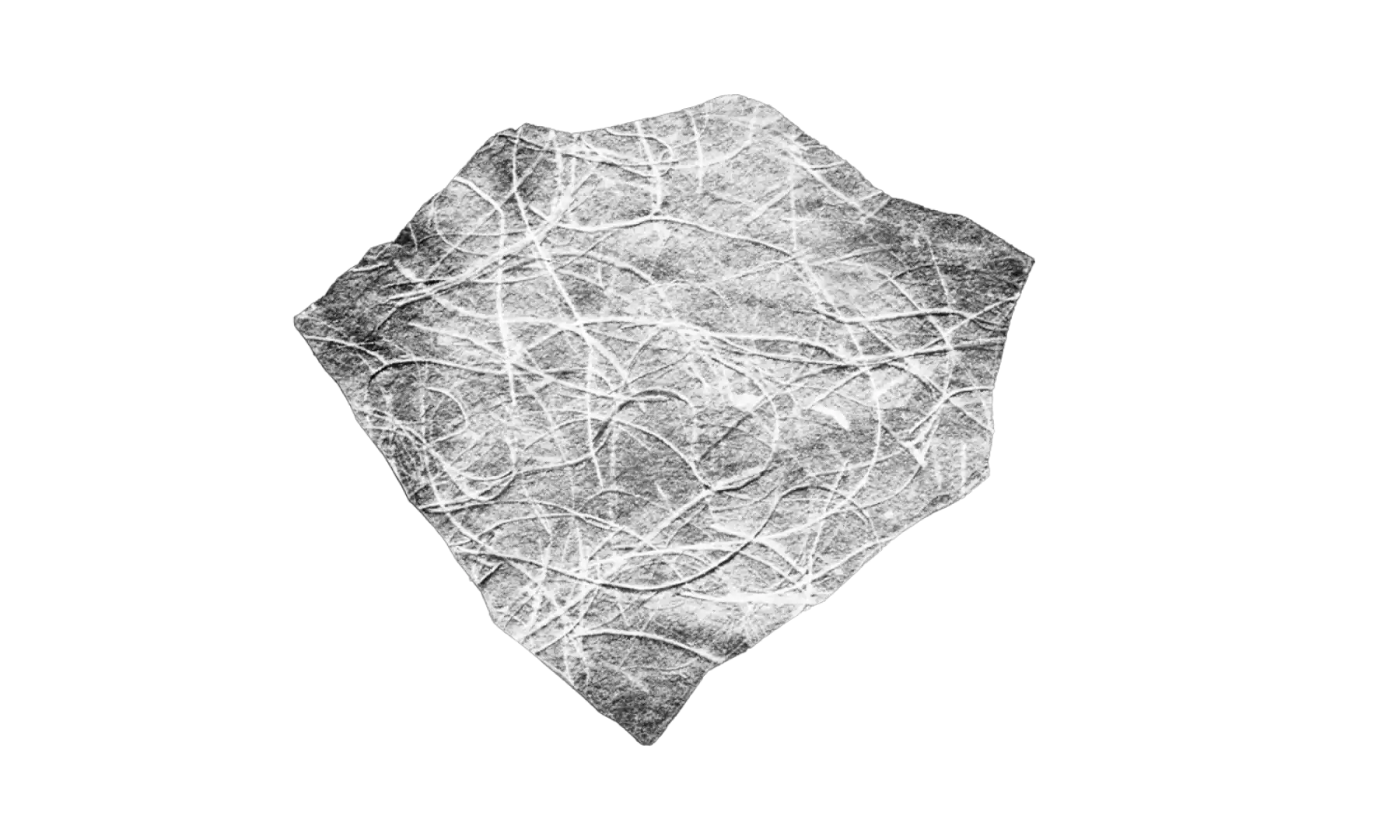
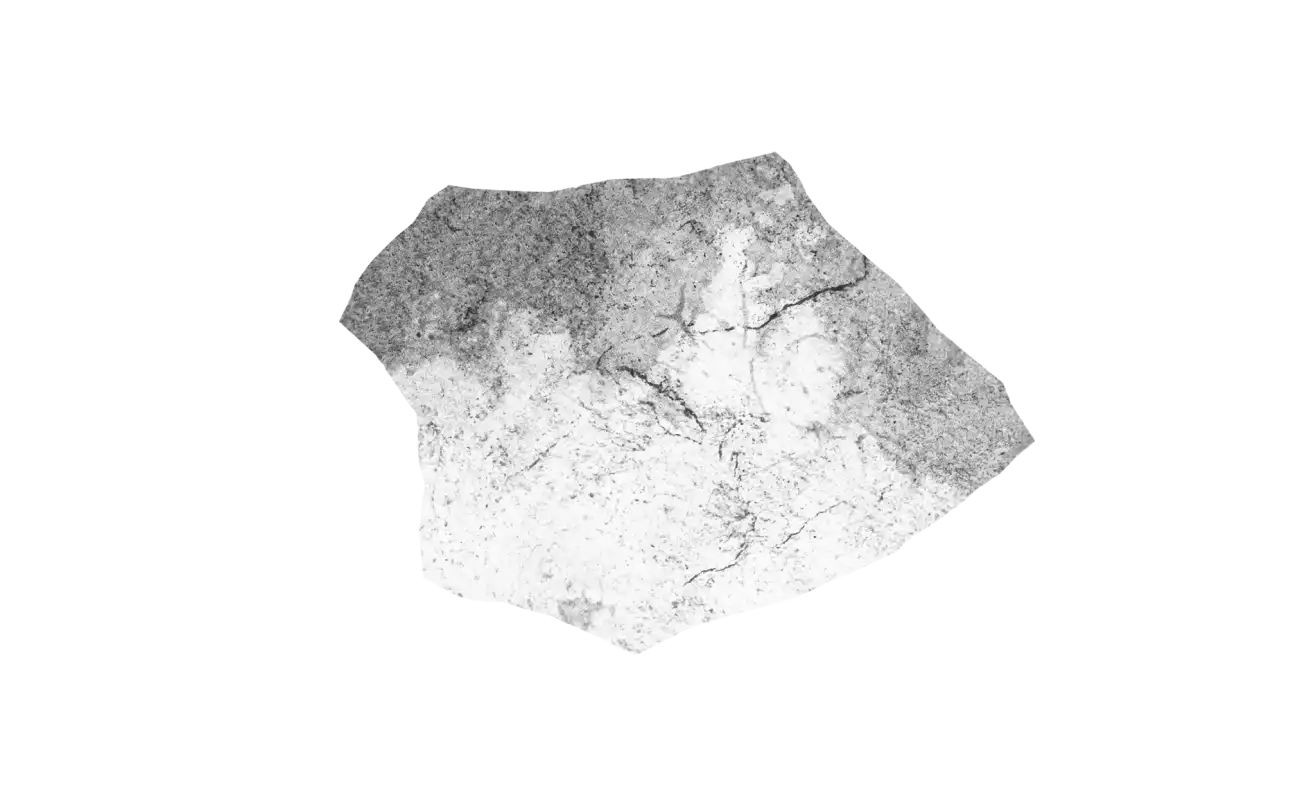

Among Japan's countless traditional crafts, Tsugaru-nuri is celebrated for its remarkable durability and distinctive beauty. In this piece, we're going to spotlight its core element: the 'technique.' When you hear the term 'lacquerware,' you probably picture an artisan painting a design directly onto a surface. However, the art of Tsugaru-nuri stems from a completely different mindset. It's a sculptural approach that involves 'excavating' beauty from within the material, rather than simply painting it.
In this article, we'll delve into the unique techniques that define Tsugaru-nuri, explore their challenges, and uncover some surprising connections to other fields.
The Core Technique of Tsugaru-nuri: "Togidashi Kawari-nuri"
The foundation of all Tsugaru-nuri craftsmanship is a technique called "Togidashi Kawari-nuri" (grind-and-polish varied coating), a method that is practically unique in Japan. It's a world apart from decorative methods that simply add patterns to a surface. The essence of this technique is to apply dozens of layers of colored lacquer, then polish them down with a whetstone or charcoal until the surface is perfectly smooth, causing the hidden, multi-colored patterns within the layers to emerge.
To get a bit more technical, while many lacquerware styles are additive—"adding" beauty through techniques like maki-e (drawing designs with lacquer and sprinkling them with gold powder)—Tsugaru-nuri is a process of subtraction. It's a method of "discovering" inner beauty by grinding away the surface. This subtractive process is what gives Tsugaru-nuri patterns an essential depth that a simple painting could never replicate, along with a powerful presence integrated into the material's very structure. What's truly fascinating is how this single technique has come to define the very identity of Tsugaru-nuri.

The Ingenious "Shikake" Process: Creating the Foundation for the Pattern
The starting point for "Togidashi Kawari-nuri" is a process called shikake (the setup), which involves intentionally creating "seeds" of an uneven pattern on a smooth base. The creative ingenuity of this shikake process is what truly defines the unique character of each technique.
Kara-nuri
A special, viscous lacquer thickened with egg whites is dabbed onto the surface with a tool called a shikake-bera (patterning spatula) to create a mottled, bumpy texture. These spatulas are handmade by artisans, and their unique shapes are what determine the signature patterns of each studio, making them a closely guarded tool of the trade.
Nanako-nuri
Known for its charming ring patterns that resemble a komon (fine-patterned) kimono, this technique involves evenly sprinkling rapeseed (natane) over the wet lacquer. Once the lacquer hardens, the seeds are removed, leaving behind a delicate pattern of circular indentations.
Monsha-nuri
This style creates a tranquil impression with its matte black finish. The effect is achieved by sprinkling charcoal powder made from burnt rice husks (momigara), which results in a distinct, non-glossy texture.
These methods are a testament to the artisans' ability to find beauty in everyday natural materials and elevate it into a sophisticated craft. In the hands of a master, common materials like egg whites, rapeseed, and rice husks are transformed into the "seeds" of intricate and stunning patterns.
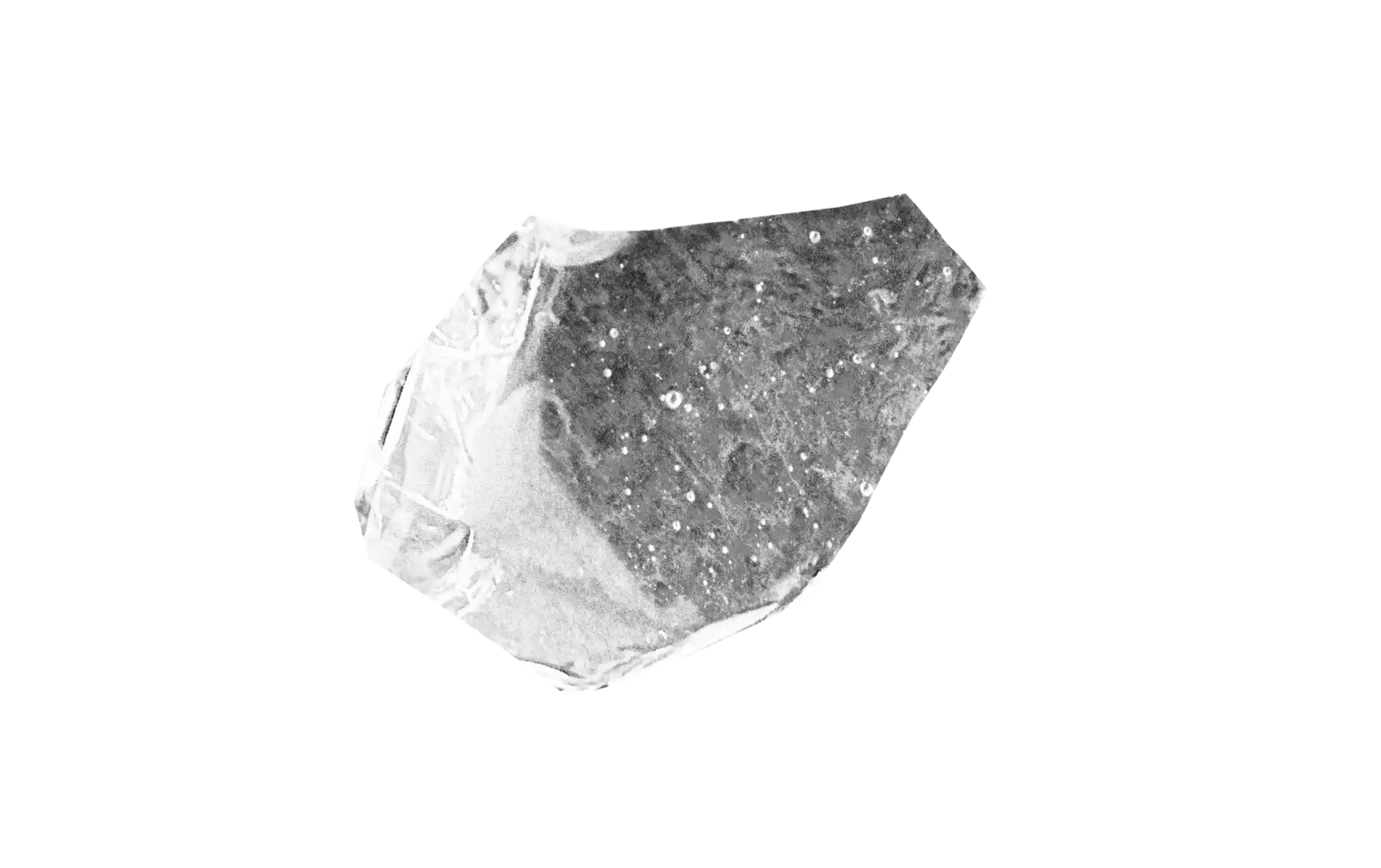

The Pinnacle of Meticulous Craft: Ultimate Precision and Instinct
At first glance, the Tsugaru-nuri process might seem like a series of simple, repetitive tasks. However, each step demands an extremely high level of precision, relying on the artisan's years of experience and sharpened instincts.
This challenge is most evident during the polishing stage. If the artisan polishes too lightly, the pattern's outline will be faint and blurry. But if they apply too much force, the delicate patterns can be erased entirely. Once a pattern is gone, it's gone forever, meaning the artisan has to start the entire painstaking process over again. The perfect touch required to stop polishing at the most beautiful moment—all while under the intense pressure of having no second chances—is truly the hallmark of a master artisan.
This task becomes even more daunting on curved surfaces. Applying lacquer to a uniform thickness and then polishing with consistent pressure across the complex curves of a bowl's interior and exterior is a feat of incredible difficulty. It is a defining characteristic of the Tsugaru-nuri tradition that, with the exception of preparing the wooden base (kiji), a single artisan handles the entire process from start to finish. This is because they must constantly visualize the final piece and work backward, meticulously controlling the thickness and pressure at every stage.

The Intersection of Traditional Technique and Modern Science: The Chemistry of Urushi
The drying room, known as the 'muro,' found in Tsugaru-nuri workshops is more than just a place to dry lacquer. It's a precision-controlled chamber where artisans master the chemical properties of urushi, a natural lacquer.
Urushi has a highly unique property: it hardens when an enzyme called laccase absorbs oxygen from moisture in the air. This is the complete opposite of how typical paints harden through drying. Without the right amount of humidity, urushi lacquer will never set.
Artisans have a deep understanding of this chemical reaction. They read the humidity, which changes with the seasons and weather, to decide where to place items in the muro and for how long. By controlling this chemical process through a dialogue with nature, guided by experience and intuition, they achieve the desired quality. This practice transcends the realm of traditional handicraft, standing as a highly rational production technique grounded in scientific principles.

Hidden in the Final Polish: Techniques from Unrelated Fields
After dozens of steps involving layering and sanding, the final 'migaki' or polishing process is what breathes life into the product. This step transforms the still-cloudy surface, giving it a deep, lustrous sheen.
Interestingly, this final stage reveals a technical connection to other fields. Some workshops employ buffing, a method of polishing using an abrasive compound applied to a high-speed rotating cloth wheel. This technique is not exclusive to lacquerware; it is also common in the world of metal tableware polishing, famously practiced in places like Tsubame-Sanjo in Niigata Prefecture. Even when working with different materials, the underlying technology and philosophy for creating a polished, glossy surface may be the same.
As you can see, Tsugaru-nuri techniques were not developed in isolation. The artisans have continuously refined its durability and beauty by maximizing the properties of natural materials, developing a deep understanding of urushi's chemical reactions, and at times, even incorporating techniques from other fields.

Delving into the techniques of Tsugaru-nuri offers more than just a backstory to a beautiful craft. It is a system of wisdom accumulated by artisans over generations, a record of a creative endeavor where nature, science, and manual skill merge. This is a beauty that doesn't come from being painted on, but one that emerges only after layers of time are deposited within the material and then carefully excavated. When you experience this profound world of technique, you can't help but be struck by the immense value packed into a single piece.
Image courtesy of: Tsugaru-nuri Tanaka

