
Ehime

Shinzo Koizumi
10th-generation head of Koizumi Seigawara Co., Ltd. He preserves the tradition of Kikuma tiles while creating craft products and promoting new value under the brand name “Kikutei.”
Kikuma Kawara
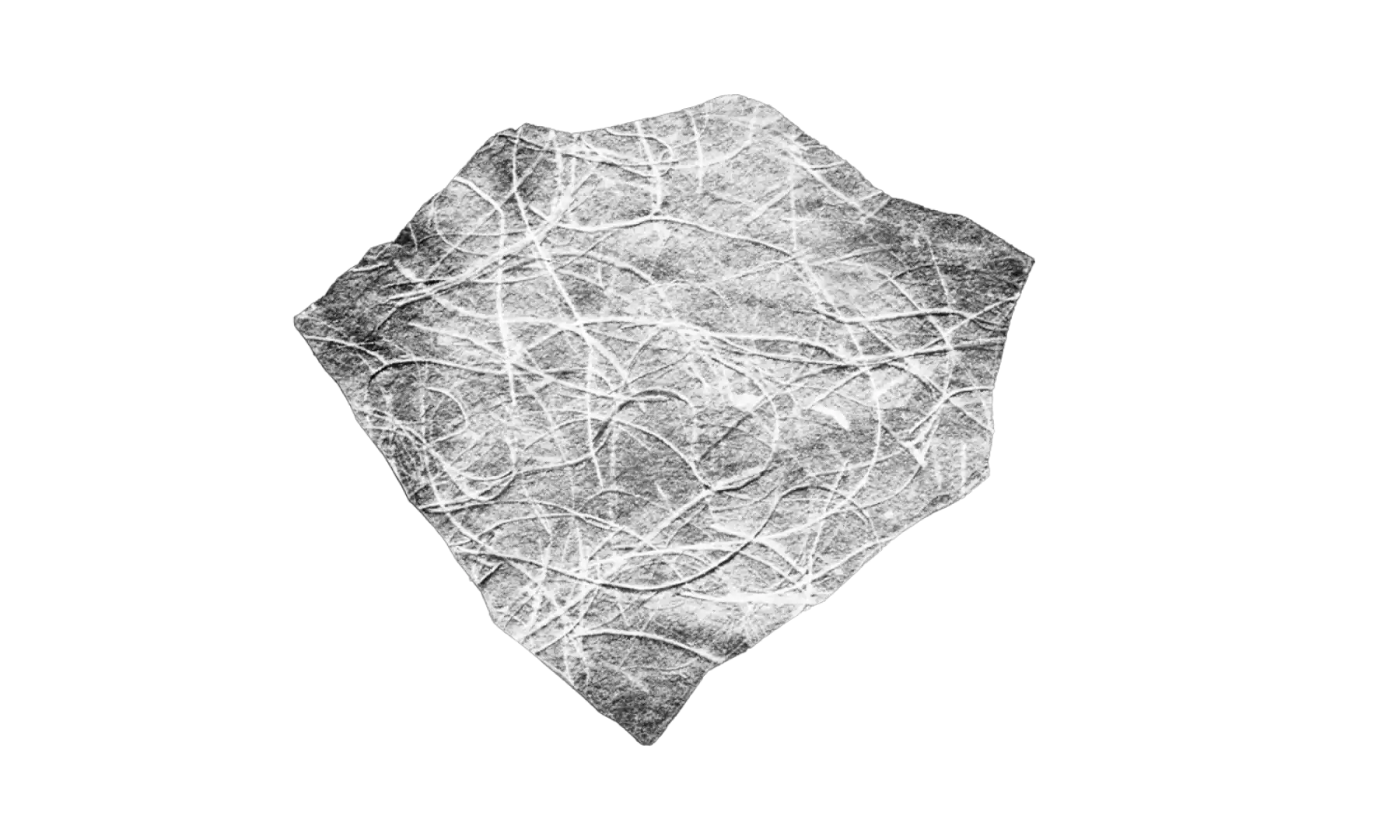
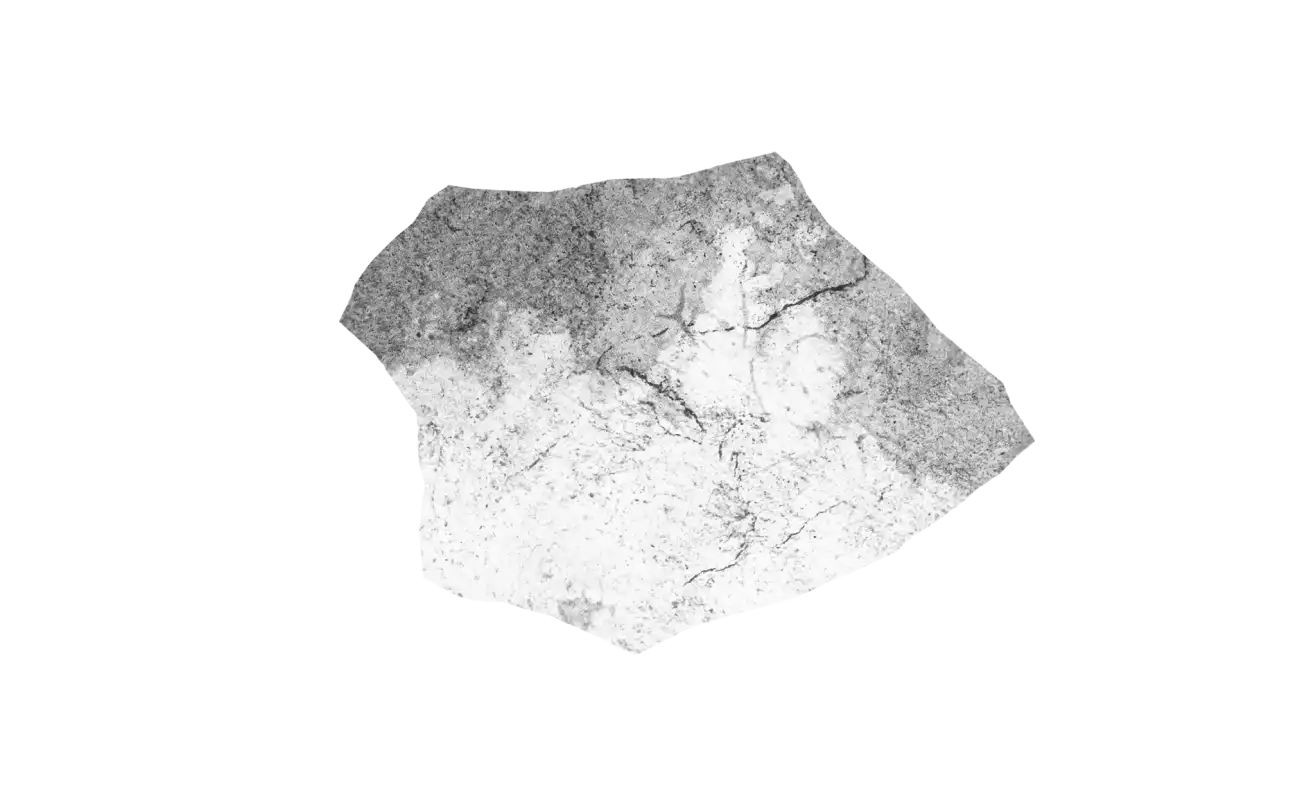
Kikuma Kawara is a traditional ibushi roof tile produced in Kikuma Town, Imabari City, Ehime Prefecture, with a history spanning more than 300 years. Known for its silver-gray finish, it is used not only for roofing but also for tableware, coasters, tiles, and sauna stones. By adjusting firing temperatures without using glaze and shaping each piece by hand, artisans create unique products while maintaining the durability and moisture-regulating qualities suited to Japan’s climate.
Imabari City, Kikuma Town in Ehime Prefecture, is the birthplace of "Kikuma-gawara," a rooftiling stile known for its elegant silver luster. For over 300 years, the local kiln, "Koizumi Seigawara," has maintained this tradition. The 10th generation, Shinzo Koizumi, continues to explore the possibilities of Kikuma-gawara through innovative endeavors.
While utilizing the characteristics of tiles suited to Japan's climate, the original ceramic products have been thoughtfully adapted with modern materials and firing techniques, showcasing a wealth of dedication and creativity.
This time, I spoke with Koizumi about efforts to convey the charm, manufacturing process, and culture of Kikuma-gawara to the next generation.
Exploring the Possibilities of Tiles & Starting the Production of Original Crafts
Could you tell us about the history of your company and what prompted you to start producing craft tiles?
We are a kiln specializing in Ibushi tiles that has been in business for over 300 years, and I am the 10th generation. Our name, "Kikusada," means "the honor of Kikuma Town" and comes from the fifth generation, Sadakichi Koizumi.
Currently, roof tiles are marketed as "Koizumi Seigawara," while we stamp our crafts with the name "Kikusada." To make it easier to stamp smaller crafts, we decided to adopt this shortened name while still maintaining our original branding to convey new messages.
We began producing crafts using tiles about 15 years ago. A significant reason was the decline in demand for roof tiles over time.
We received requests from customers asking, "Could you make plates out of tiles?" This, combined with the idea of utilizing the gaps in the kiln during firing, led us to start with smaller items.

What are the characteristics of your tile crafts? Additionally, what do you particularly focus on when making tile products?
The crafts we create from Kikuma-gawara are made consistently in weight but without using molds during the shaping process. Each piece is handmade, making it impossible for any two to be identical, which sets us apart from other workshops.
What's particularly important to us is to pay attention to the unseen parts during production. Any small wrinkle in the clay can lead to cracks, so we carefully mold them, applying our hands multiple times to ensure they are smooth.
Furthermore, for flat products like coasters and tiles, we intentionally bend them in the opposite direction during shaping to account for warping during drying. This way, they gradually straighten as they dry. However, it's not always perfect; sometimes they end up remaining warped in the opposite direction (laughs).
The angle of bending must also differ depending on the pattern of the coasters or tiles, so we first create a few pieces and check how they dry before continuing production.
We believe it is crucial to conduct each step meticulously to maintain quality.

Sauna Stones, Coasters, Tableware─Researching Materials & Firing Methods to Develop Diverse Tile Products
Please tell us about the manufacturing process of Kikuma-gawara.
First, we mix the raw soil with water in a kneading machine and let it rest for about 10 days. Then, we use a vacuum kneader to remove air and create the raw clay, which is subsequently allowed to rest again before shaping it into tiles according to their intended use, such as roof tiles or tiles for flooring. After shaping, we let them dry for approximately 5 days before firing.
The kiln is fired for 13 hours. We wait for it to cool naturally after the fire is extinguished, so we open the kiln 3 days after lighting it.
The process that requires particular skill is the polishing of seams during shaping. It requires years of experience to identify areas prone to cracking. Special caution is needed during the hot summer months when drying occurs rapidly, increasing the risk of cracks.

Is there a difference in the manufacturing methods for roof tiles and crafts?
Kikuma is a production area for smoked tiles, so roof tiles are generally a solid smoky color. Therefore, when producing crafts, we sought to increase the color variations without using glazes, collaborating with the Ehime Prefectural Industrial Technology Research Institute to study firing temperatures.
First, we used an electric kiln to fire the tiles at a higher temperature of 1120 degrees, followed by firing in a large kiln at 1000 degrees for the smoking process and then oxidizing at 550°C again in the electric kiln to produce a darker color.
If we fire it again at 1000 degrees, we achieve a brownish hue. Due to subtle differences in temperature and positioning within the kiln, identical items cannot be produced.
In addition, the plates of the "Gazen Series" have different firing temperatures. Since smoked tiles naturally absorb about 10% water, using them as tableware would leave marks from condiments. Through repeated studies with the research institute, we have successfully reduced the water absorption by firing at high temperatures.
On the other hand, the coasters in the "Shiki Series" increase the water absorption by not applying any smoke treatment to the central part where glasses are placed.

You are researching the optimal manufacturing methods based on the intended use, aren't you?
That's correct. Although we have not yet commercialized it, we are also developing plates made from heat-resistant materials. This was initiated by a request from customers asking, "Do you have plates that can be used over direct fire?"
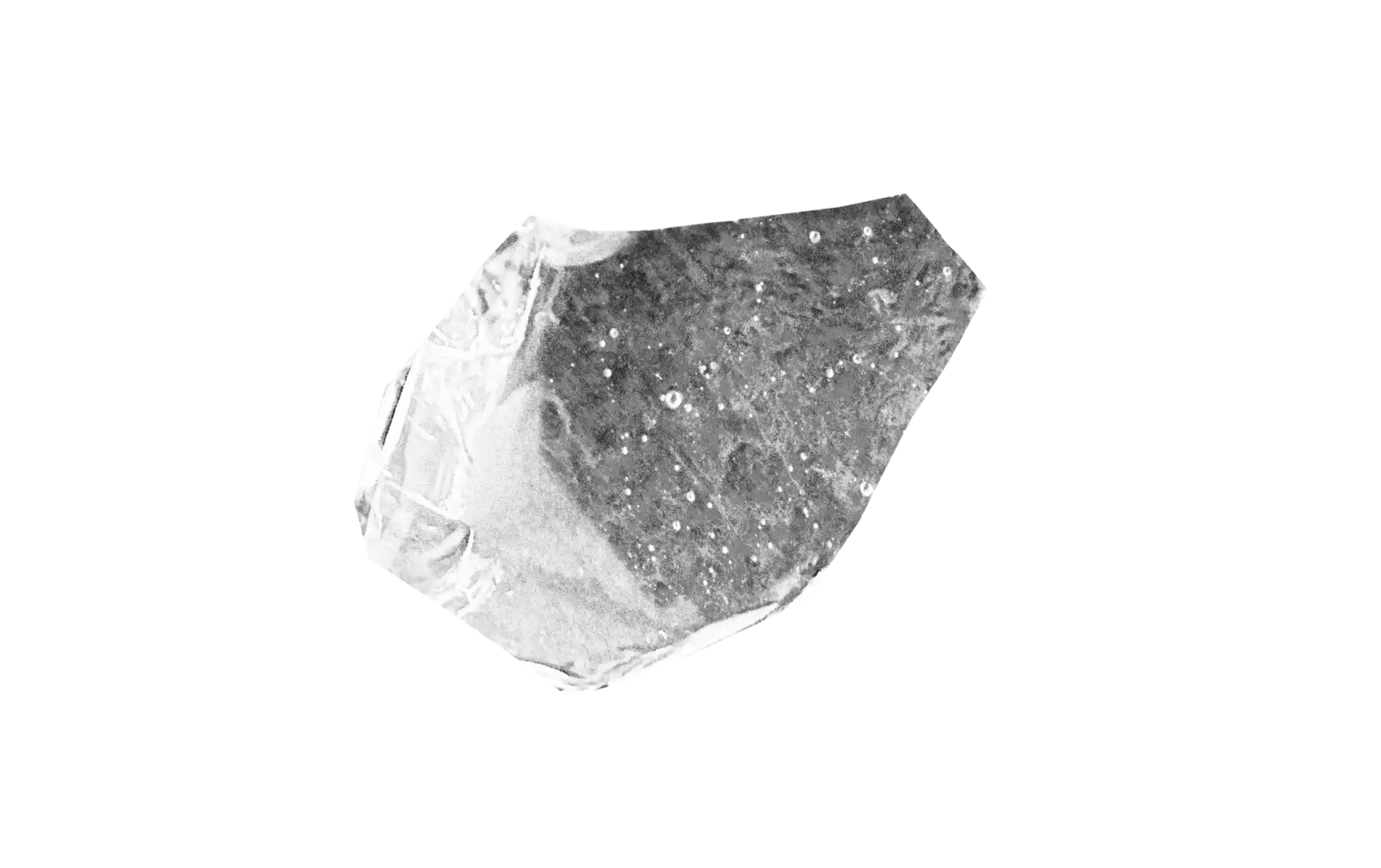
Additionally, we received a request from "Kisuke no Yu" in Matsuyama and Imabari asking, "Can you make sauna stones?" This was also made using heat-resistant materials. These sauna stones are used in an event called "Yakuyoke Roryu," which is held every year from January to February, and this marks the fourth year of the event.
Initially, the order was to create a sphere about 8 cm in diameter with a hollow to hold water for Roryu, but as we worked on it, the idea of incorporating the features of a demon tile emerged. When we presented the prototype, it sparked a discussion about holding an event using the characteristics of the Onigawara "demon" tiles for the Yakuyoke (evil-warding) event.
It made me truly happy that something I had envisioned turned into an interesting event.
Koizumi is significantly expanding the possibilities of Kikuma-gawara.
I have a strong desire to broaden the uses of tiles. Even for things that may not be feasible, I always think we should at least give it a try.
I often engage with people from different industries, and during those interactions, when I listen to their ideas or see their work, I often think, "This would surely be interesting if it were done with tiles."

Tiles Born from the Earth and Return to the Soil Are the "Ultimate Eco"
What does Kikuma-gawara mean to you, Koizumi?
That's a tough question (laughs). It's such an ordinary presence in my life. I grew up playing in the workshop, getting my face and body covered in soot. Since I was raised in an environment where tiles were a given, I don’t even have a strong sense of them being part of my life.
When did you decide to succeed the company as the 10th generation?
I wasn't particularly influenced by anyone around me, but I had a vague idea since elementary school that I would probably take over.
When I graduated high school, the company was busy, so I naturally stepped onto the path of a craftsman.
What do you believe is the charm and essence of tiles?
While each piece might seem expensive, tiles have a very long durability. Once installed, they are said to last for around 60 years without any maintenance, and up to 100 years at times.
In contrast, modern building materials usually have a warranty period of about 20 years, and roofs require regular repainting. Thus, in the long term, tiles offer excellent cost performance.
In today's world with many disasters, the high durability is a major attraction.
Yes. There is also a type of tile known as "disaster prevention tiles" that are strong against calamities. This tile has a mechanism where tiles connect with each other when stacked, making it less likely for them to shift or lift during earthquakes.
Furthermore, metal roofs tend to amplify the sound of rain inside the building, but tiles offer sound insulation and are quiet. They also have water absorption properties that help expel indoor humidity.
First brought to Japan from China about 1,400 years ago, the shape of tiles has hardly changed since then. They are materials that fit exceptionally well with Japan's climate.
Made from soil, finished only with smoke without the use of glazes or paints, and returning to the earth, tiles can truly be called the ultimate eco.

Creating Opportunities for Children to Experience Tiling & Pass the Baton to the Next Generation
What were the circumstances behind Kikuma town's development as a tile-producing area?
When Oda Nobunaga built Azuchi Castle, he reportedly called tile craftsmen from China. Those craftsmen had opportunities to visit the Kikuma region, and they are said to have shared the technique of making high-quality tiles using wooden molds.
This region had abundant clay and pine needles for firing kilns, coupled with a warm climate with little rain, making it suitable for tile production. Additionally, tiles were once transported by boat, so tile shops were plentiful along the coast, not just here.
During the Meiji period, Kikuma-gawara were adopted as imperial tiles alongside Aichi's Misu-gawara and Osaka's Senshu-gawara, which helped increase Kikuma's reputation as a tile-producing area.
What characteristics do Kikuma-gawara have compared to other regions?
Kikuma-gawara tiles are typically slightly smaller than those from other regions, giving them an elegant appearance when placed on roofs. They also come in a variety of types, allowing for diverse arrangements that beautifully decorate roofs.

How many craftsmen of Kikuma-gawara are there in this region? Also, are there any challenges faced by the industry overall?
There were about 60 companies during the peak, 50 to 60 years ago, but currently there are only 11 members in the association.
A major challenge is the decrease in demand for roof tiles, making it difficult for successors to make a living solely from roof tiles, even if they exist. To address this, about 7 to 8 years ago, the entire town created a manual for tile production that all association members now hold.
In order to preserve the culture of Kikuma-gawara, we are not only creating manuals but also focusing on product development beyond roof tiles to maintain our traditions.
Could you share your vision for the potential of Kikuma-gawara and what you hope for the future?
Although the demand for roof tiles is currently stagnant, I hope that children who grew up in Western-style houses will recognize the beauty of traditional Japanese style when they grow up. It is often said that “trends repeat every 20 years.”
Many children attending workshops outside the prefecture have never seen or heard of tiles. When traditional Japanese homes regain attention in the future, I want to continue creating products using tiles and promoting their appeal so that kids will take an interest in them.

For articles related to other traditional crafts in Ehime Prefecture, click here


Japanese Craft Glossary
The History of Arimatsu Shibori: Tracing 400 Years of Turning Points From 1608 Settlement to Global Fashion

Seeking the Artisans
The Timeless Technique and Evolving Tradition of "Tsugaru Nuri Genbei": Growing More Beautiful with Every Layer

Seeking the Artisans
Brewing in Harmony with Dogo: Minakuchi Shuzo

Seeking the Artisans
Ishimizu Sculpture Workshop: 200 Years of Carving the Pride of Saijo Danjiri

Seeking the Artisans
Two Years and Thousands of Layers in a Single Gem: Doi Pearl on the Art of Pearl Farming

Seeking the Artisans
The New Rhythm of Tobe Ware: Washo-Gama's Étude-Patterned Vessels

Seeking the Artisans