
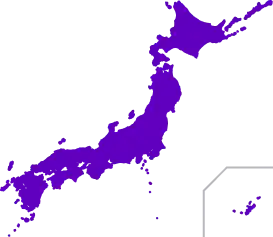
Okinawa
Wakana Takaesu
Head of Ikutoen, a traditional Tsuboya pottery kiln. While preserving traditional craftsmanship, she is working to build an integrated approach that connects production, sales, and hands-on experiences.
Tsuboya-yaki
Tsuboya-yaki (Yachimun) is pottery made through wheel-forming, firing, and decorative processes such as line carving and painting. It uses clay as the primary material and has evolved from wood-fired kilns to gas and electric kilns. It is used as everyday tableware and household utensils.
The 'Scenery of Tsuboya': Forged by Earth, Fire, and Human Hands
Nestled in the heart of Naha City, Tsuboya Yachimun Street offers a tranquil escape. The pottery crafted here, known as Yachimun or Tsuboya-yaki, originates from the Tsuboya district, which was officially established in 1682. Following World War II, this craft became a cornerstone of Okinawa's revitalization. Ikutouen is a historic pottery studio that has been a guardian of this "Scenery of Tsuboya" for generations.
The studio is distinguished by its unique system of specialized labor, involving around 20 artisans. Each step of the process—kneading the clay, shaping on the potter's wheel, carving intricate lines, applying glaze, firing in the kiln, and hand-painting designs—is handled by a dedicated team. It's through this collaborative effort and the touch of many hands that a single vessel or Shisa lion is brought to life.
One of Ikutouen's signature techniques is Karakusa-senbori (arabesque line carving), where intricate patterns are carved freehand, without any preliminary sketches. Glazing is another delicate art, a process carefully adjusted based on the day's humidity, air dryness, and the specific condition of the clay. In the creation of their famous Shisa lions, the studio continues to use molds based on the work of the fifth-generation master, Ikuo Takaesu, a designated Contemporary Master Craftsman. This legacy ensures each piece carries a distinctive blend of dignified strength and gentle spirit.

Seeking the Artisans
Three Sisters, Three Different Dreams: What Three Sisters at a Yoshino Tea Farm Put Into "Chanokichi"

A Century of Craft, A Master's Voice
Part 5 (Final): Class 1, Bamboo Group: A Life That Seems Futile, Yet Is Not — Living National Treasure Shosei Fujitsuka

A Day in Lives of Artisans
Passing Down the Art of Weaving Through Fingertips: Okinawa's Miyahira "Shuri-Ori" Workshop

Seeking the Artisans
Shuri-Ori: Beyond the Flames of War—Three Generations of the Miyahira Family Weaving a Legacy of Innovation and Tradition

Seeking the Artisans
The Creative Spirit of "Never Imitating Others," Passed Down Through Chubuki Glass Studio Niji

Seeking the Artisans
Amidst Shifting Traditions: Ikutouen, an Okinawan Yachimun Pottery Studio, Envisions the "Tsuboya Landscape"

Seeking the Artisans