
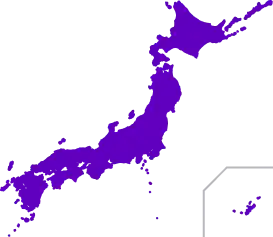
Okinawa
Kazuo Miyahira, Shinsuke Miyahira
Miyahira Shuri-Ori Workshop (Q-WA Co., Ltd.). Dedicated to preserving and producing traditional Shuri textiles, they also work to advance the craft by training the next generation of artisans and collaborating with partners across different industries.
Shuri-ori
A handwoven textile created by interlacing warp and weft threads, forming patterns through techniques such as Hanakura-ori, Douton-ori, and Tejima. Materials mainly include silk threads, dyed through carefully controlled temperature and timing processes. Originally developed as garments for royalty and aristocracy, it is now used for kimono and obi.
Threads Intertwine, Weaving Okinawa's Scenery into Fabric: The Miyahira "Shuri-ori" Workshop
Shuri, in Naha, Okinawa, is the historic home of "Shuri-ori." This traditional textile, passed down since the time of the Ryukyu Kingdom as attire for royalty and the nobility, is a collective term for a variety of weaving techniques, including hanakura-ori and dōton-ori. Today, at the Miyahira "Shuri-ori" Workshop, these ancient skills are kept alive, with every step of the intricate process—from a single thread to a finished piece of fabric—carried out by the hands of dedicated artisans.
The journey of creation starts with preparing the yarn. Artisans meticulously inspect the condition of the dyed threads, gathering the required number and handling each one with care. This stage—preparing the warp threads according to the pattern and carefully threading them onto the loom—is a critical foundation that dictates the beauty of the final masterpiece.
The hallmark of Shuri-ori is its intricate patterns, created by combining multiple traditional techniques. Weavers must expertly judge the tension of the warp and weft threads and apply just the right amount of pressure with their fingertips as they pass the shuttle, layering the yarn one strand at a time. As the work continues, detailed motifs gradually emerge, giving the fabric its distinct personality.
Once off the loom, the fabric is washed to allow the threads to set, then it proceeds to the finishing stage. These final, careful touches are what give Shuri-ori its uniquely refined and elegant texture.
Every single thread is painstakingly prepared over countless hours. The culmination of this effort is woven into a single piece of Shuri-ori—a craft that carries the very history of Okinawa within its fibers.

Seeking the Artisans
Three Sisters, Three Different Dreams: What Three Sisters at a Yoshino Tea Farm Put Into "Chanokichi"

A Century of Craft, A Master's Voice
Part 5 (Final): Class 1, Bamboo Group: A Life That Seems Futile, Yet Is Not — Living National Treasure Shosei Fujitsuka

A Day in Lives of Artisans
Earth, Fire, and Human Hands: The Ikutouen Pottery Studio in Okinawa's Yachimun District

Seeking the Artisans
Shuri-Ori: Beyond the Flames of War—Three Generations of the Miyahira Family Weaving a Legacy of Innovation and Tradition

Seeking the Artisans
The Creative Spirit of "Never Imitating Others," Passed Down Through Chubuki Glass Studio Niji

Seeking the Artisans
Amidst Shifting Traditions: Ikutouen, an Okinawan Yachimun Pottery Studio, Envisions the "Tsuboya Landscape"

Seeking the Artisans